
How Do Stainless Conical Fermenters Simplify Yeast Harvesting? Valve, Sediment, Collection
Have you ever lost an entire batch of yeast simply because your tank was difficult to work with? I have been working in the stainless conical fermenters industry for over 7 years. In that time I have seen how the right tank makes the yeast harvesting fast and easy.
In this article I will show how a stainless steel conical works. Here you will learn about the cone shape, the valve system and sediment removal. I'll also help you select the best conical fermenter stainless steel for your needs.
What Is a Stainless Steel Conical Fermenter and why is it important?
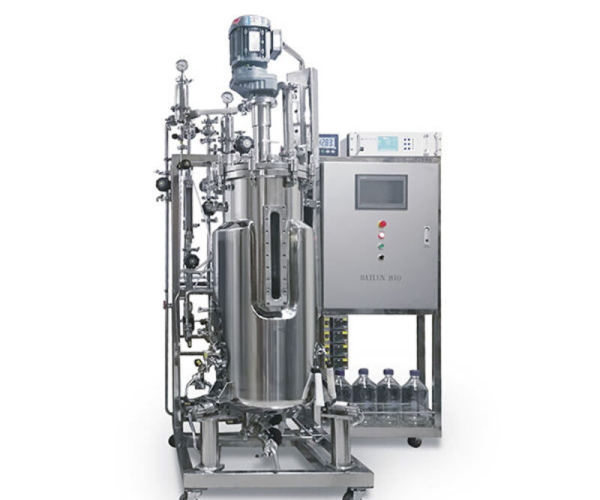
Stainless conical fermenters is a tank that has a cone-shaped bottom. It is used to make beer, wine and other fermented liquids. The cone pulls the yeast and waste down to a low spot. This allows you to easily remove them without disturbing the main liquid.
These tanks are used in breweries, food plants and laboratories. Flat tanks require additional steps to remove yeast. The cone tank does it all at once. The conical stainless steel fermenter will save you time and waste on every batch.
Feature | Flat Bottom Fermenter | Stainless Steel Conical Fermenter |
|---|---|---|
How Does the Cone Valve System Make Yeast Collection Easier?
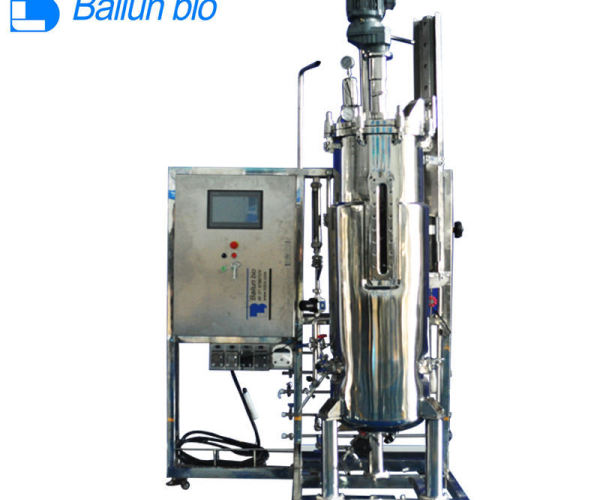
Did you know that a minor valve adjustment can cut yeast harvest time in half? The valve on stainless conical fermenters is very important. Drain yeast in minutes with a bottom valve. You don't have to open the tank. That keeps air and germs out. The valve also allows you to control how much yeast is dispensed at a time.
The stainless steel conical fermenters are fitted with simple valves, either butterfly or racking-arm type. This is one of the primary reasons brewers and labs turn to a conical fermenter stainless steel tank.
How Valve Types Affect Yeast Harvesting Performance
The control from one valve to another varies. The correct valve will depend on your batch size and how often you harvest yeast.
Butterfly Valve: Quick opening/closing. Great for big yeast dumps.
Racking Arm Valve: Draw liquid from any level of the tank.
Sample Valve: OK for small test pulls. You needn't open the main valve.
Dump Valve (Lower Port): Best for yeast collection. Drains directly from cone tip.
Valve Type | Best Use | Flow Control | Easy to Clean | Cost |
|---|---|---|---|---|
Why Valve Placement Changes Everything
The valve has to be right at the point of the cone. Thus all the yeast is collected and none is wasted.
Side ports allow gas to escape and sensors to be held during fermentation.
Tri-clamp fittings make it easy to switch valves cleanly and quickly.
SS316L valves will not rust or corrode with acid cleaners.
How Does Sediment Separation Work in a Conical Fermenter?
Why is a conical shape better than a flat bottom for separating yeast? It's the weight. The cone angle directs all heavy pieces to one low point. The 60 degree cone in a conical fermenter stainless tank pushes the dead yeast, hop bits and proteins to the tip. No centrifuge or additional filters needed.
The stainless steel conical fermenter keeps the live yeast safe for reuse. Cooling the cone down a bit makes the yeast settle faster. This will result in a cleaner batch and healthier yeast for your next run.
Sediment Layers Inside a Stainless Steel Conical Fermenter
Knowing where things settle helps you harvest the right layer at the right time.
Top (foam/krausen): CO2 and active yeast. Do not harvest now.
Middle (Clear liquid): Your end product. Take care.
Lower cone (yeast slurry): Active, healthy yeast. Best time for collection.
Very fine (dead yeast/trub): Drain this first. Then gather the good yeast on top of it.
Yeast Harvesting Methods- What Works Best?
Method | Equipment Needed | Yeast Health | Time | Risk |
|---|---|---|---|---|
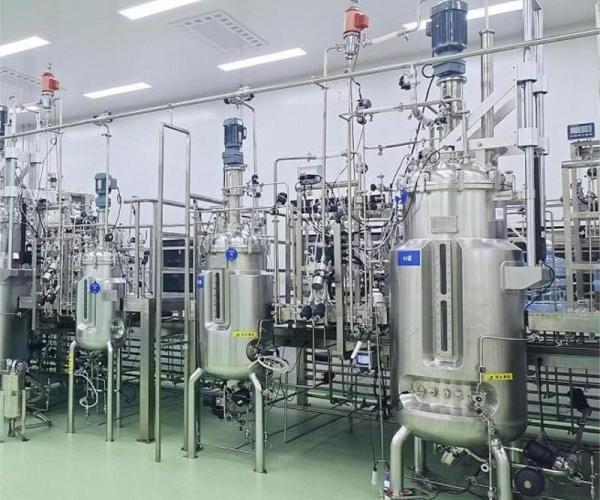
The best way is the conical stainless steel fermenter. It is fast, clean & safe. Open transfer and centrifugation stress yeast cells. The cone dump is a very little effort way to keep yeast healthy.
Advantages:
No extra tools required to separate yeast
Healthier yeast will make the next batch better
Less contact with air during transfer
Consistent great results
Disadvantages:
More expensive to buy than a simple open tank
If the cone angle is wrong, the valve can get blocked with packed yeast.
You have to CIP clean the tank after each yeast dump
Uses of Stainless Conical Fermenters for Yeast Harvesting
Can one tank really be adapted to so many different industries? Yes, it might. The best stainless steel conical fermenter is used to brew beer, distil, make kombucha, and even in vaccine labs. This same cone shape applies to each industry. But they will modify the valve size, cooling jacket and port layout to suit their needs. yeast by using one valve. No Teams or other tools required.
Industry Case Studies: Stainless Conical Fermenters in Action
Industry | Tank Size | Key Benefit | Result |
|---|---|---|---|
All examples are real and show gains. Lower costs, better yeast, faster runs. The market for stainless conical fermenters for sale keeps growing because these results are real.
Where Stainless Conical Fermenters Are Used Most
Brewing: Re-use yeast daily. Save some money. Maintain consistent beer flavor from batch to batch.
Distilling: Get cleaner wash. Make a better spirit with less filtration.”
Biotech and pharma: Cell culture harvesting, sterile and safe.
Food and drink: Clean sediment control vinegar, kombucha, and probiotics.
What Should You Check Before Buying Stainless Conical Fermenters?
Are you going to waste money on a tank that will let you down? This is the first thing to check. Check the grade of steel. SS304 is fine for most brewing. For Acid or Sterile Use SS316L Required Check the angle of the cone. 60 degrees is standard. It gives the best flow of sediment. See what this kind of jacket.
Glycol jacket provides full temperature control. Does it have a CIP spray ball inside it? Ask. Verify the ports. The valves and sensors have to be in the right place. Finally, check the maker's certificates. Buy from a reputable source every time. Bailun Biotech (Jiangsu) produces certified stainless conical fermenters that meet international food and pharma standards.
Key Buying Checklist for Stainless Steel Conical Fermenters
Stainless steel grade: SS304 or SS316L
Cone angle: 60 degrees
Jacket type: Dimple jacket (glycol)
CIP spray ball within the tank
Tri-clamp ports for easy valve change-out
Pressure rating suitable for your process
Certifications: CE, GMP, ISO
Custom size and port configuration options
Frequently Asked Questions
What makes a stainless steel conical fermenter better for yeast harvesting than a flat-bottom tank?
Gravity draws the yeast to a single low point in the cone shape. You can get rid of it in minutes. Flat tanks spread the yeast throughout the liquid. You have to remove it yourself.
In one tidy spot gathers yeast
No centrifuges or other equipment needed
Supports healthy yeast and ready to be reused
How many times can I repitch yeast from stainless conical fermenter?
Good harvest and cold storage allows yeast from a stainless fermenter conical fermenter to be reused 5 to 10 times. The cone keeps the yeast 85% healthy every time.
Cuts yeast purchasing costs by up to 60%
Same flavor for batch to batch with same strain and batch
Cold storage of yeast between batches
What is the best cone angle of stainless steel conical fermenter?
The best angle is 60 degrees. Sediment can flow to the tip without clogging or blocking the valve.
Below 45° sediment forms dense packs that block flow
Above 75° the tank is too tall and difficult to use
60° is the proven angle for collecting clean yeast
Can you use a conical fermenter stainless steel for biotech and beer?
Yes, you are. But biotech requires SS316L steel and sterile ports. Beer brewing: SS304 and standard tri-clamp fittings are fine.
SS316L is resistant to acid and chemical detergents
Sterile ports protect cell culture work from germs
The same cone design works for both with slight modifications
Conclusion
Yeast harvesting becomes a breeze with stainless conical fermenters. The cone concentrates all the sediment in one place. The valve gives you control of what you drain. The steel body lasts for many years with simple cleaning CIP Big results for small craft brewers and big industrial plants. You get healthier yeast, fewer contamination problems, faster batch turnaround and lower labor costs.
Start here if you want to improve your fermentation process. Bailun Biotech (Jiangsu) manufactures conical stainless steel fermenters from 50L to 50,000L. They tailor each tank to your process. Their tanks are CE, GMP and ISO marked.