
Why Stainless Steel Fermenters Lose Oxygen? kLa Value, Sparger, Impeller Type
Why does the stainless steel fermenters dissolved oxygen level keep crashing right when culture needs it most? I've seen this inquiry stop production lines a number of times over my 9 years of experience in industrial fermentation. You will learn why oxygen is lost through stainless steel fermenters, what kLa is and how to tackle this through choosing the right sparger and impeller. In this article you will find . Oxygen must be transferred from air bubbles into the broth for microorganisms to breathe and grow. The cell growth rate in a commercial bioreactor of microbial fermentation is a function of the rate of oxygen dissolution. The kLa value indicates this velocity in stainless steel fermenters . Microbiological fermentation, in its most basic sense, is the process of growing microorganisms such as yeast or bacteria to produce enzymes, proteins, or biofuels. Weak transfer results in lower yields and failed batches. Robust commercial microbial fermentation requires consistent oxygen and equipment from microbial fermentation manufacturing partners with expertise. Factor What It Does Typical Range If Too Low The kLa value is a mechanism for transferring oxygen. It shows the rate of oxygen transfer from gas bubbles to broth and how this varies with tank geometry, airflow and agitation. Higher kLa means faster oxygen delivery to cells, and better yields. Many firms in microbial fermentation analyze kLa before scaling up as a low value at small scale worsens at big scale. This usually is the basis for the development of processes for microbial fermentation. The dynamic gassing-out test or sulphite oxidation technique can be used to determine kLa by allowing the engineer to measure the rate of change of oxygen concentration under controlled conditions. The results allow comparison of tank designs before full manufacturing. This is important for any stainless steel fermenters company providing microbial fermentation services that work with novel strains. Method How It Works Best For Limitation DO falls below 20% at the height of growth. Increasing the feed does not increase the cell density. The more you stir it, the more it foams. Unexpected batch processing delays The entire process is changed by the design of the sparger that introduces air into the broth. Good quality stainless steel fermenters spargers will create small, evenly sized bubbles that spend more time in the liquid allowing the cells more time to collect oxygen. The bubbles are popping too fast due to design bugs. Choosing the right sparger is important for microbial fermentation contract manufacturing. A wrong sparger can increase costs and reduce productivity in working with multiple strains. Ring spargers are great for medium-sized aquariums. They send air in a circular pattern around the bottom of the tank. For simple installations, a pipe sparger can be used that releases air through perforations in the pipe. Micro-spargers are ideal for controlling high density microbial fermentation for which they generate very small bubbles of sintered metal. Sparger Type Bubble Size Oxygen Transfer Best Use Case Micro-spargers require extra cleaning to achieve optimum transfer, but they are worth it. Ring spargers are a compromise of efficiency versus cost. Pipe spargers are best suited for tasks of low demand with limited capacity for thick cultures. The best choice depends on tank size, money and strain. Optimized Transfer and Improved Cleaning with Micro-spargers Economical ring spargers Pipe spargers Not so powerful, but not expensive Combination sparsers: flexible, but maintenance is improved The impeller stirs the broth, breaking up large bubbles into smaller ones and thusing up the dissolution of oxygen. sparger in stainless steel fermenters . High-shear impeller systems such as Rushton turbines are well suited for bacteria that tolerate harsh mixing and need oxygen fast. Soft impellers protection of delicate cells. In tall vessels it is common practice to stack several impellers on one shaft to improve mixing. This is because many microbial fermentation products are produced at scale. Describe the strain response to shear stress The diameter of the impeller should be proportional to the depth of the tank. High-capacity tanks require a lot of impellers. Compare mixing speed to kLa target Case Problem Found Solution Applied Result The configuration of the sparger and impeller are amongst a number of things that steal oxygen silently. Changes in the foam, the height of the tank and the consistency of the broth all affect the rate of diffusion of oxygen. Warmer broths also have a lower dissolved oxygen content. This is useful information for any group involved in industrial microbial fermentation, so that they can avoid unexpected drops. Viscous broth slows down the motion of bubbles. Too much foam reduces ability to breathe Tall tanks need good agitation. Heat decreases the solubility of oxygen. Low oxygen levels can result from too rapid an application of oxygen, poor agitation, or an inadequate sparger fit. Most of the time you can look at your kLa value to see where the problem starts. Slow rate of mixing Wrong type of sparger A soup that is very thick You can increase kLa by increasing the agitation, putting a finer sparger in or increasing the airflow. Larger tank mixing can also be enhanced by adding an impeller to facilitate faster and more uniform mixing. Accelerate the mixing process Choose a micro sparger Add a second impeller. Ring spargers are suitable for most applications. Micro spargers are the best choice for transferring dense cultures. It all depends on money, size of tank, and strain. A small separator for rich culture General purpose ring sparger Easy installation piping sparger The shear stress on the cells can be changed depending on the impeller type. Rushton impellers create high shear that can damage fragile cells, while pitched-blade impellers are softer on sensitive stresses. Rushton impellers increase shear. A pitched blade impeller is more gentle to The choice is dictated by strain type. Be sure to test the oxygen transfer before and after any changes to the equipment. A regular testing allows to detect problems before they are deployed into production. Development stage testing Any changes to the equipment should be followed by a retest. Double check before upping Older fermenters can be upgraded with new sparger designs or improved impellers without the need to replace the tank altogether. This is an inexpensive solution. Change the sparger configuration The blades of the impeller should be upgraded. Add more mixing steps The three most important factors in fixing oxygen transmission are kLa value, sparger type and matching stainless steel fermenters impeller type. A few simple tweaks can increase your growing pace, batch time and yield. When plants are ready to tackle oxygen problems and safely ramp up output, they can turn to Bailun Biotech (Jiangsu), a well-respected microbial fermentation company with deep experience in tank, sparger, and impeller configurations for microbial fermentation contract manufacturingWhat Is Oxygen Transfer Rate In Bioreactors Today?
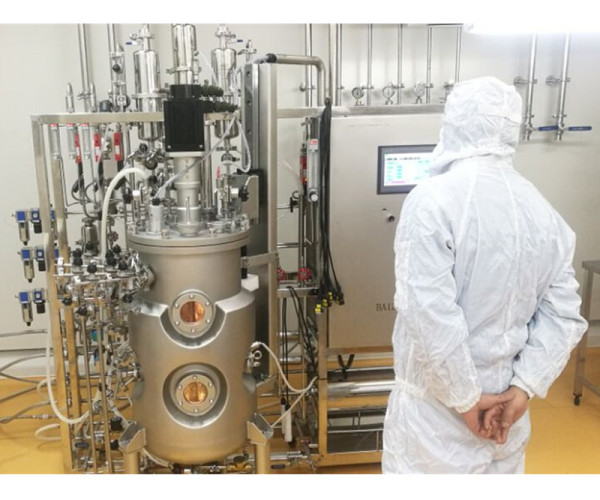
Key Oxygen Transfer Factors In Stainless Steel Fermenters
How Does the kLa Value Control Oxygen Transfer Rate?
How kLa Is Measured Inside Real Fermenter Tanks
kLa Testing Methods Compared
Signs Your kLa Value Is Too Low Right Now
Which Sparger Design Boosts Oxygen Transfer Best?
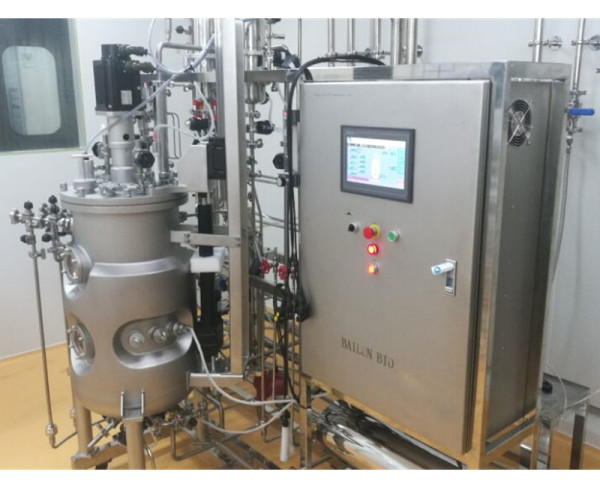
Common Sparger Types Used In Stainless Steel Tanks
Sparger Types And Oxygen Transfer Performance
Sparger Selection: Quick Pros And Cons List
Which Impeller Type Solves Low Oxygen Problems Fast?
Matching Impeller Type To Your Process Needs
How To Choose The Right Impeller For Your Tank
Stainless Steel Fermenters Upgrades And Their Oxygen Results
What Other Factors Cause Oxygen Loss In Fermenters?
Frequently Asked Questions
Why Do Stainless Steel Fermenters Not Have Enough Oxygen?
What am I not getting? How does the kLa of my fermenter compare?
What is the best sparger for microbial fermentation?
What Impact Do Impeller Types Have on Cell Health in the Long Term?
How often should the oxygen transfer be measured?
Adding oxygen to old fermenters: is it possible?
Conclusion