
What Makes a Stainless Steel Solid Fermentor Smart? automation, CIP and data
How can contemporary businesses minimize operational costs and human error to guarantee constant fermentation quality? Smart solutions revolutionize manufacturing, as I have witnessed firsthand in my twelve years of hands-on experience in the fermentation and bioprocessing business. Smart stainless steel solid fermentors revolutionize efficiency, control, and scalability; I'll explain how in this post. In modern industrial settings, what defines a "smart" stainless steel solid fermentor is the subject of this article's investigation. Robotic processes, CIP systems, and continuous data monitoring will be investigated. Also covered are the various applications of these systems in various sectors. At last, we will point you in the direction of the market leader in providing that solution. An intelligent stainless steel solid fermentor is a lot more than a simple tank. The long-lasting construction and cutting-edge control systems of a stainless steel fermentor are a perfect match. Automatic control of mixing, airflow, pH, and temperature is provided by these systems. Separating solids from liquids is also made easier using a stainless steel conical fermentor. Programmable logic controllers (PLCs) and sensors are examples of smart units. Reduced human effort and improved accuracy are the results of this. Hygienic and long-lasting, stainless steel fermentors are currently the preferred choice of many businesses. Safe microbiological growth is guaranteed by a bioreactor fermentor stainless steel arrangement. Due to the rise of biotech in China, there is an increase in demand for bioreactor fermentor stainless steel. Feature Function Benefit Industry Use The foundation of contemporary fermentation is automation. The automatic mechanisms in a smart conical stainless steel solid fermentor govern every stage. Errors are decreased and output quality is increased as a result. Robotics also reduces the price of labor. Production may continue uninterrupted at all times. Accuracy is paramount in sectors such as medicines. Every batch is guaranteed to fulfill requirements through automation. Both consistency and scalability are enhanced by automation. Products from the culinary, pharmaceutical, and biotech industries make extensive use of it. Intelligent systems can adjust to various fermentation requirements. Their adaptability is a result of this. They lessen the chances of infection as well. Sector Automation Level Benefit Output Quality Minimizes the potential for human mistake Enhances uniformity between batches Makes remote monitoring possible Reduces operating expenses Feature Automation Manual Result When compared to manual processes, automation is much more efficient, accurate, and scalable. Stable output is guaranteed. It lowers expenses in the long run as well. The trend toward automation is gaining momentum in many industries. Clean-in-place functionality is an essential component of smart stainless steel solid fermentors. Automated cleaning without disassembly is made possible. Hygiene and efficiency are both enhanced with a stainless steel fermentor that has a CIP system. Cleaning solutions are cycled throughout the tank as part of this system. Labor effort and downtime are both decreased. The food and pharmaceutical industries rely on it heavily. Removing any leftover residue from fermentation is guaranteed by CIP systems. Soil pollution is less likely to occur. Equipment longevity is also increased. Sensors in smart CIP systems ensure cleanliness. As a result, safety requirements are enhanced. Cleaning Method Time Labor Efficiency Cleans up faster Lowers water use Makes ensuring that people practice good hygiene The cost of labor is reduced. Feature CIP Traditional Outcome Quicker, safer, and more uniform cleaning is what CIP systems are all about. They play a crucial role in contemporary fermentation processes. Their efficiency is unmatched by traditional approaches. Fermentation is revolutionized by data monitoring. Data is collected in real-time using smart stainless steel solid fermentors. The amounts of oxygen, pH, and temperature are all part of this. These levels are monitored by sensors in a bioreactor fermentor stainless steel. In an instant, operators may change the settings. As a result, both product quality and waste are enhanced. Information is useful for making forecasts and fine-tuning operations. Decisions may be made more effectively. Past data helps to enhance subsequent batches. Access from afar is also possible with smart systems. Data Type Purpose Benefit Industry Command in real time Forecasting upkeep Elevated standard of goods Less waste Feature Smart System Traditional Result In a nutshell, smart monitoring systems provide information in real time. Efficiency and product quality are both enhanced by them. The speed and precision of traditional technologies are lacking. Company Type Solution Used Result Benefit The fermenting process takes place in a tank called a stainless steel fermentor. It is powerful and clean. Numerous sectors make extensive use of it. Durable material Cleans up easily Extensive durability Solids may be easily separated with it. It boosts productivity. Industrial application is its perfect match. Superior layout Simple removal Excellent efficiency Clean-in-Place. It takes care of tank cleaning automatically. Both time and effort are saved. Powerful cleaning robots Thorough cleanliness reasonably priced At first, they could be more expensive. Yet, in the long run, they end up saving money. They boost productivity. Minimization of labor cost Increased production Superior standard China ranks high among producers. Numerous businesses provide affordable bioreactor fermentor stainless steel choices. reasonably priced Modern technology Strong interest It is critical to select a reliable manufacturer. Support and quality are important. Consistent support Modern infrastructure Global influence The next big thing in industrial processing is smart fermentation. When combined with data systems, CIP, and automation, a stainless steel solid fermentor provides performance that is second to none. Efficiency, safety, and the quality of the product are all enhanced. Using these solutions gives businesses a huge advantage over their competitors. In terms of dependable solutions, Bailun Biotech (Jiangsu) is one of the leading providers to consider. They construct their high-tech stainless steel solid fermentors for use in today's manufacturing processes. They provide solutions that are innovative, long-lasting, and affordable. Collaborating with them guarantees achievement in the long run. Improve your fermentation system right now to get to the next level.What Defines a Smart Stainless Steel Solid Fermentor System
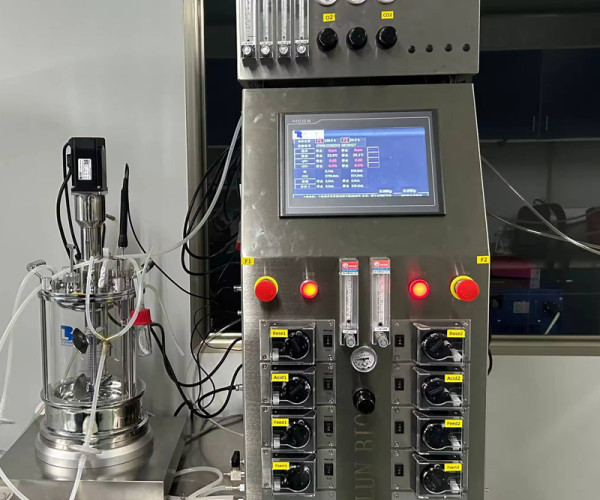
Advanced Technical Overview of Smart Fermentor Systems
Why Is Automation Critical in Smart Fermentation Systems
Automation Applications Across Industrial Sectors
Important Advantages of Automation:
Automation vs Manual Fermentation Systems Comparison
How Does CIP Technology Improve Fermentor Efficiency
Hygiene and Cleaning Efficiency in Modern Systems
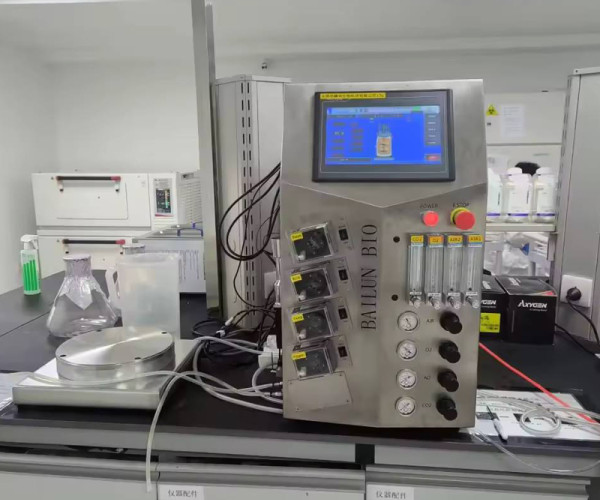
Advantages of CIP Systems:
CIP vs Traditional Cleaning Methods Comparison
How Does Data Monitoring Transform Fermentation Control
Role of Data Analytics in Smart Fermentation Systems
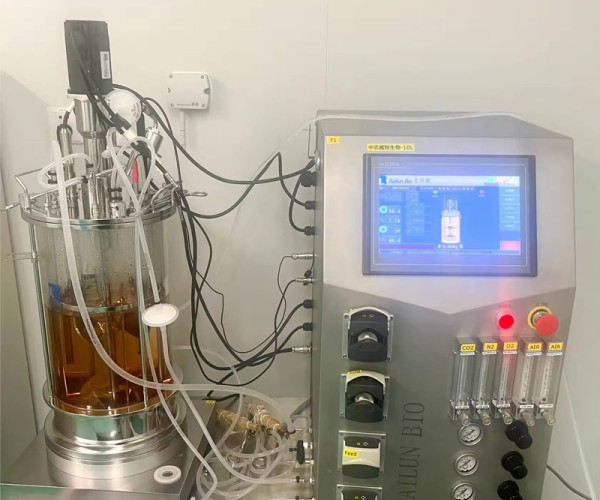
Benefits of Key Data Monitoring:
Smart Data Systems vs Traditional Monitoring Comparison
Industrial Case Studies of Smart Fermentor Implementation
Frequently Asked Questions
What Is a stainless steel solid fermentor?
What makes a stainless steel conical fermentor the right choice?
In fermentors, what is CIP? What does CIP stand for?
Can you tell me how much clever fermentors cost?
In what countries are these fermentors made most frequently?
What is the greatest firm to buy from?
Conclusion