Synthetic Biology Laboratory, with digital, intelligent, and precise biological reactions!

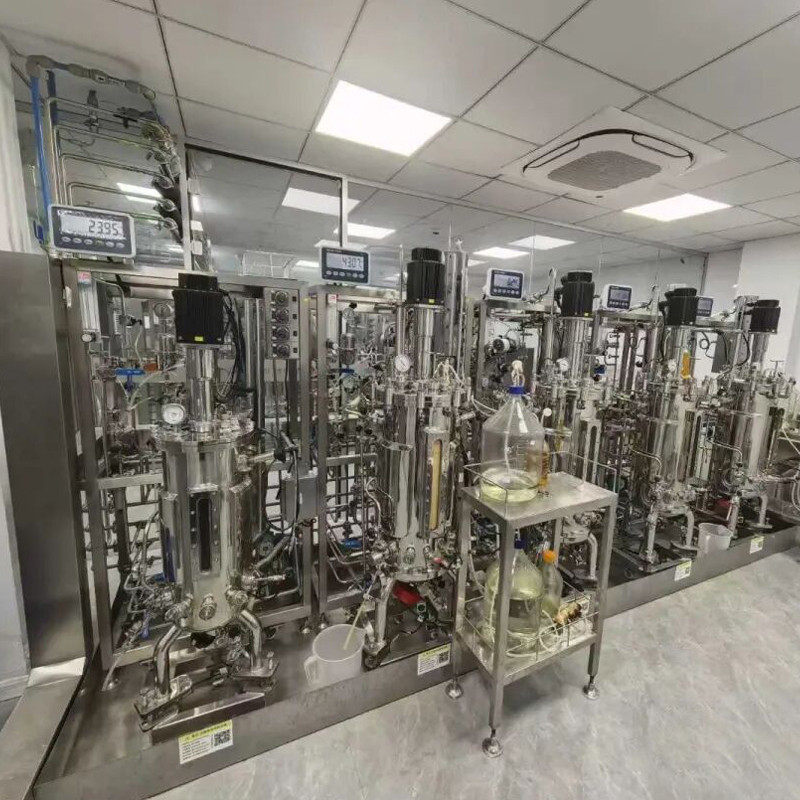
Parallel bioreactors have the characteristics of high throughput, high efficiency, and precise control, and are becoming key equipment to promote research and industrialization processes.
What is a parallel bioreactor?
A parallel bioreactor is essentially a combined device of multiple bioreactors (fermentation tanks), but unlike traditional multi reactor fermentation tanks, it realizes the synchronization of operating conditions such as parameter settings, synchronous start, synchronous stop, synchronous calibration of sensors, and synchronous sterilization of culture media for multiple reactors.
This high consistency and reproducibility of results make it an ideal choice for high-throughput experiments.
What are the advantages of parallel bioreactors?
One is high-throughput screening and optimization
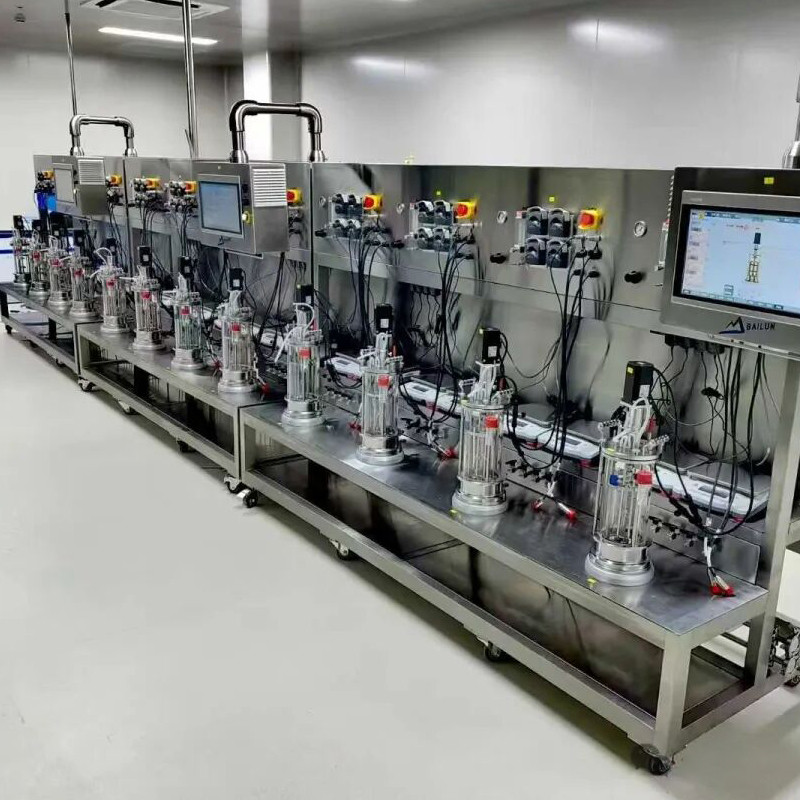
Synthetic biology research requires processing a large number of candidate strains and cell lines, and parallel bioreactors can simultaneously run multiple independent but adjustable experimental units, greatly accelerating the efficiency of strain screening and process optimization.
For example, the Beilun high-throughput parallel bioreactor can simultaneously control up to 48 tanks, and the tank volume is flexible and selectable.
The second is precision control and automation
The parallel bioreactor is equipped with advanced control technologies such as semiconductor temperature control system, high-precision feeding system, and real-time monitoring function. These techniques not only improve the accuracy of experiments, but also reduce human errors in operation.
The third is data-driven intelligence
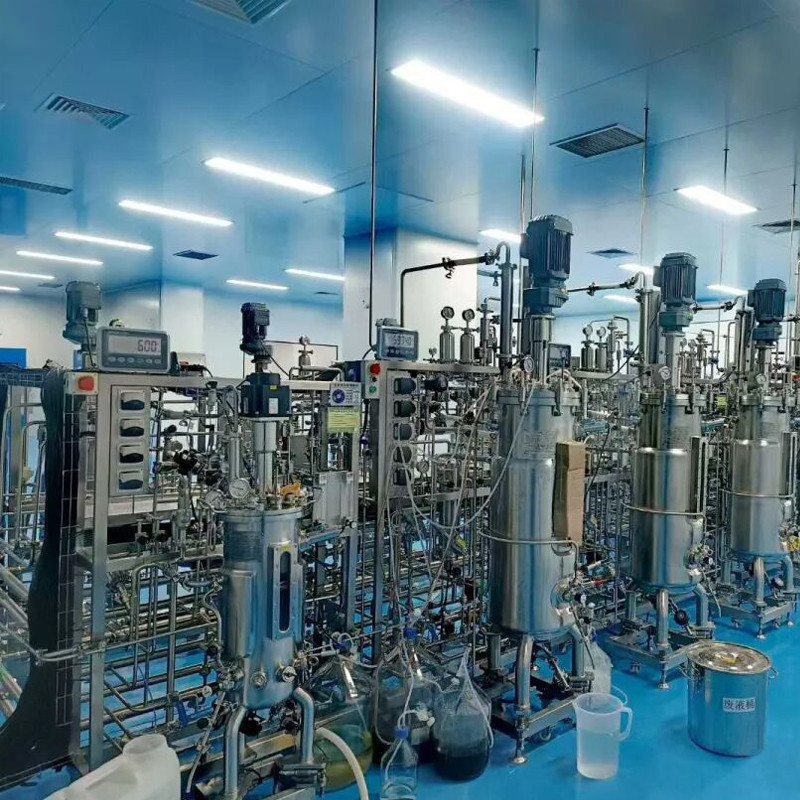
The big data cloud platform that Bailun will soon launch will fully integrate with DeepSeek, while integrating domain knowledge graphs and expert experience to create a "data+expert" intelligent amplification and prediction model, helping researchers quickly optimize processes and relevant manufacturers quickly expand production.
The fourth is to reduce costs and increase efficiency
Compared with traditional shaking flasks and fermentation tanks, parallel bioreactors greatly reduce personnel and time costs, and increase experimental efficiency by at least 10 times.
In which scenarios can parallel bioreactors be applied?
Parallel bioreactors are widely used in fields such as microbial fermentation, cell culture, biofuel development, and protein expression.
It is not only suitable for laboratory scale research, but also seamlessly integrates pilot and industrial production.