Shake bottles and fermentation tanks are not the same thing at all.

In the laboratory, strains were screened and 250ml shake flasks were placed in rows on a shaker. After a few days, the OD value was measured and HPLC was run. Seeing that the data was good, he excitedly said, "This strain has a high yield and can be amplified.
As a result, the output of a 50L small test tank was directly halved; Adding another 5 tons of pilot tanks, there were almost no products - this kind of "bottle shaking myth, tank overturning" story is too common in the fermentation circle.
Many people think this is just an "amplification effect", but the fundamental problem is that shaking bottles and fermentation tanks are not the same thing at all.
The difference between them is not a difference in quantity, but a gap in quality.
The following three truths are understood by those who have undergone fermentation amplification.
The core of 'big data+AI+biological response' is not about showing off skills, but about turning uncertainty into computable, controllable, and optimizable certainty
Truth 1: There is no "dissolved oxygen" in the shaking bottle, only "luck"
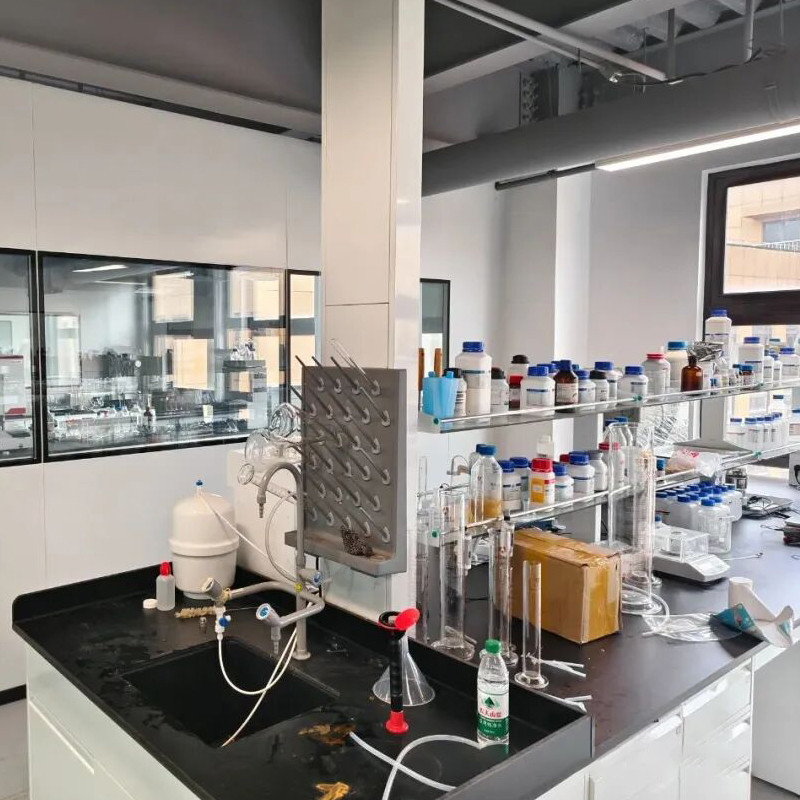
How does oxygen get in the shaking bottle? Shake on a shaker to allow the liquid level to come into contact with air, and dissolve slowly by spreading on the surface. Simply put, it's like 'watching the sky and eating'.
You can increase the KLa (oxygen mass transfer coefficient) by several tens of hours at most by adjusting the speed, changing the bottle type, and installing a baffle.
But in a 50 ton aerobic fermentation tank, KLa can easily achieve 300-500 hours ⁻¹ or even higher through deep aeration and high-speed stirring.
What does this mean?
This means that when the bacterial density reaches 10 ⁹ cells/mL, the shaking bottle is already "oxygen deprived and suffocated", and metabolism is forced to shift to by-products (such as lactic acid and acetic acid), while the fermentation tank can still provide stable oxygen supply, allowing the bacteria to concentrate on their work and produce the target product.
Many high-yielding strains perform averagely in shake flasks, not because they are not capable, but because shake flasks have not given them the opportunity to fully utilize their potential.
On the other hand, some bacteria that "explode" in shake flasks will collapse as soon as they enter the jar because they are only suitable for low-density, low metabolism "greenhouse environments".
Truth 2: Inside the jar is a 'controllable world', shaking the bottle is a 'chaotic system'
Do you think the shaking bottle temperature is uniform? wrong. The area near the bottle wall is greatly affected by the ambient temperature, while the central region relies on liquid convection, resulting in a temperature difference of 1-2 ℃.
Not to mention pH - unless you plug in an electrode and adjust it in real time, the pH of the entire fermentation process will fall freely.
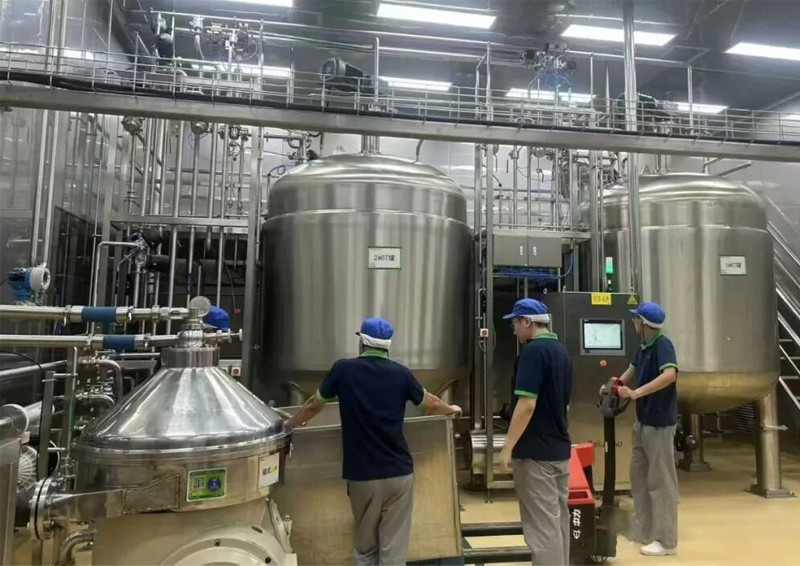
In industrial fermentation tanks, temperature pH、 Dissolved oxygen, pressure, foam, feeding rate... are all closed-loop controls.
Did the pH drop to 6.2 on the 12th hour today? Automatic alkali addition; Does dissolved oxygen suddenly drop to 30%? Immediately increase speed or gas. Every minute is dynamically optimized.
More importantly, the environment inside the tank is highly uniform. Mixing and guide tube design ensures that bacteria are treated equally in every corner from the top to the bottom of the tank.
In the shaker, there are dead cells at the bottom, foam floating on the liquid surface, and live bacteria in the middle - this is no cultivation, it is simply a "stratified society".
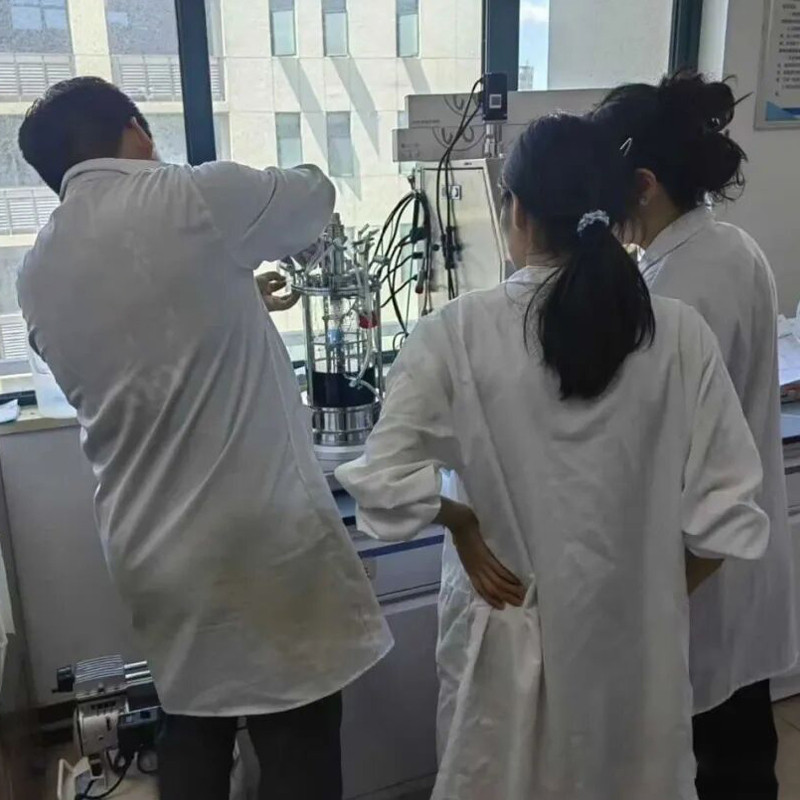
Truth Three: Scale is not "amplification", it is "reconstruction"
Many people think that zooming in is' multiplying the shaking bottle by 10000 times'. But the reality is: from shaking bottles to cans, the entire survival logic of microorganisms has changed.
In a shaking bottle, all the nutrients are added at once, and once the bacteria are finished, they become hungry;
In the tank, additional feed can be added to keep the carbon nitrogen ratio within the optimal window;
In the shaking bottle, metabolic waste (such as CO ₂, organic acids) continues to accumulate without anyone taking care of it;
In the tank, exhaust gas can be monitored online, and the CO ₂ release rate (CER) can directly feedback metabolic status, and even be linked to feeding strategies.
Not to mention the risk of bacterial contamination - if the bottle is shaken and opened, a batch of miscellaneous bacteria floating in the air will be discarded; However, the stability of industrial tanks is not on the same level as that of full process positive pressure, steam sterilization, and sterile sampling.
So, the mission of shaking bottles has never been to predict production, but to quickly eliminate bad bacteria.
It is fast, cheap, and suitable for high-throughput screening. But once we enter the process development stage, we must switch to a tank system thinking - otherwise, we are using a laboratory ruler to measure the ocean of industry.
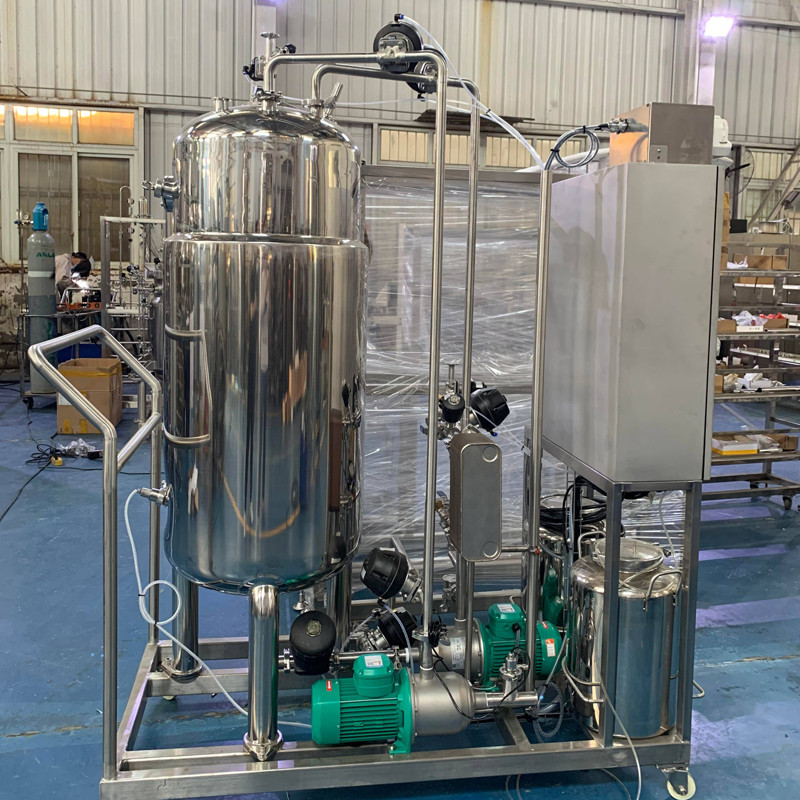
Finally: Don't deify the shaking bottle, and don't blindly believe in cans
People who truly understand fermentation will not be blindly optimistic just because the shaking bottle data is good, nor will they deny the potential of the strain just because of the initial failure on the tank.
The key is to understand the physical and biological limitations behind both and establish a reasonable scale down model.
For example, using a microbioreactor (such as an Amber system) to simulate the environment inside the tank for early screening, or introducing pressure tests such as oxygen limitation and pH oscillation during the shaking stage to expose problems in advance.
Ultimately, fermentation is not about "cultivating bacteria", but about "managing complex systems".
The reason why industrial fermentation must use tanks is not because tanks are advanced, but because——
Only in the jar do you truly have control over the process.