The world's largest producer of fermented products, with a production capacity accounting for 70% of the world's total, has a strong industrial foundation, and has the potential to leap from a "manufacturing power" to a "bio intelligent manufacturing powerhouse"

In the next decade, a quiet manufacturing revolution is unfolding globally. It does not rely on steel and chips, but on cells as factories and genetic blueprints - this is
According to predictions from McKinsey and other institutions, by 2050, this sector is expected to leverage $30 trillion in economic value, accounting for one-third of the global manufacturing industry. Whoever masters the core capabilities of biomanufacturing will have the say in the era of green industry.
1、 Why are countries competing to bet?
Currently, the global manufacturing industry is standing at the crossroads of green transformation and intelligent upgrading.
Traditional chemical industry relies on fossil fuels, with high energy consumption and emissions; And biomanufacturing utilizes microorganisms or enzyme catalyzed reactions to synthesize materials, fuels, chemicals, and even food at room temperature and pressure, reducing carbon emissions by more than 60%, making it a truly "green productivity".
The United States launched the National Biotechnology and Biomanufacturing Initiative as early as 2022, investing over $2 billion to explicitly recognize biomanufacturing as a key factor for national security and economic competitiveness.
The EU has included it in the "European Industrial Renaissance" strategy, aiming to regain dominance in areas such as high-end materials and sustainable chemicals.
For China, developing the next generation of biomanufacturing is not only about technological catch-up, but also a strategic breakthrough:
Ensuring safety: using biological routes to replace imported raw materials such as oil and natural gas, reducing dependence on overseas resources;
Promoting transformation: supporting the "dual carbon" goal and providing green alternative solutions for high energy consuming industries such as steel, chemical, and textile;
Yuxin Machinery: China is already the world's largest producer of fermented products, with production capacity accounting for over 70% of the world's total. With a strong industrial foundation, it has the potential to leap from a "manufacturing power" to a "bio intelligent manufacturing powerhouse".
2、 Where is the real breakthrough point?
In the past, biomanufacturing mostly remained in the primary stage of "sugar fermentation", with high costs, limited raw materials, and was criticized for "competing with humans for food".
Nowadays, the industry is undergoing three key leaps:
①. Raw material revolution: from "eating food" to "eating exhaust gas and waste residue"
The new generation of technology is turning methanol, carbon dioxide, straw, kitchen waste, and even industrial exhaust into the "food" for microorganisms.
For example, using one carbon gas to synthesize ethanol or protein not only reduces costs, but also achieves carbon recycling. This is both a technological breakthrough and a dual solution of ethics and economics.
②. R&D paradigm upgrade: AI+automation accelerates "creation"
In the past, modifying a strain of bacteria required hundreds of trials and errors, taking several years.
Now, with the help of AI models to predict enzyme activity, optimize metabolic pathways, and then use automated platforms for high-throughput screening, the research and development cycle can be shortened by more than 70%.
The Ministry of Industry and Information Technology has selected 16 typical cases of AI enabled biomanufacturing nationwide, and the speed of moving from laboratories to production lines is accelerating.
③. Engineering ability becomes the winner
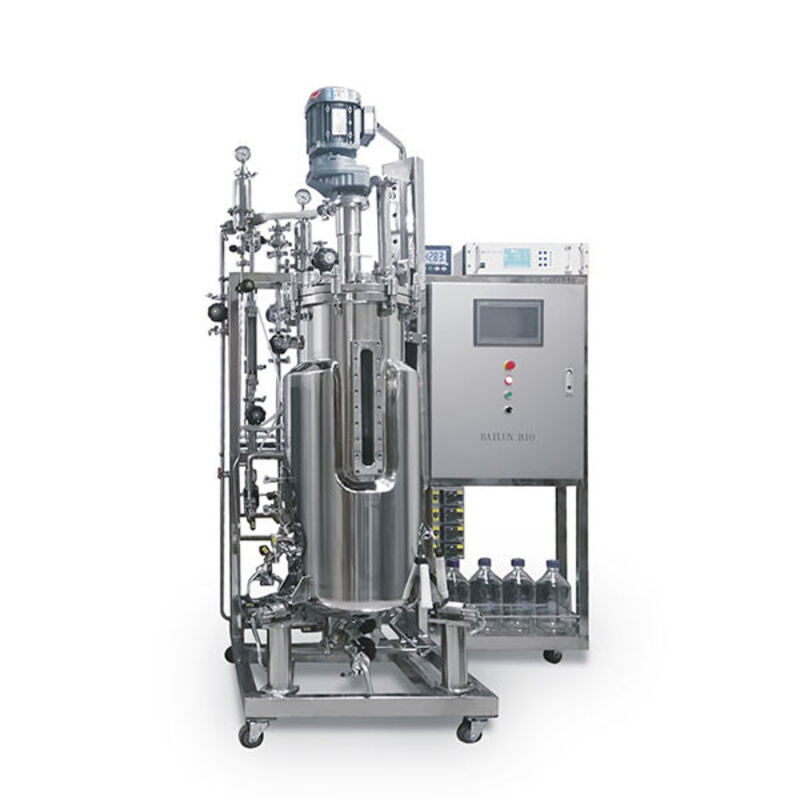
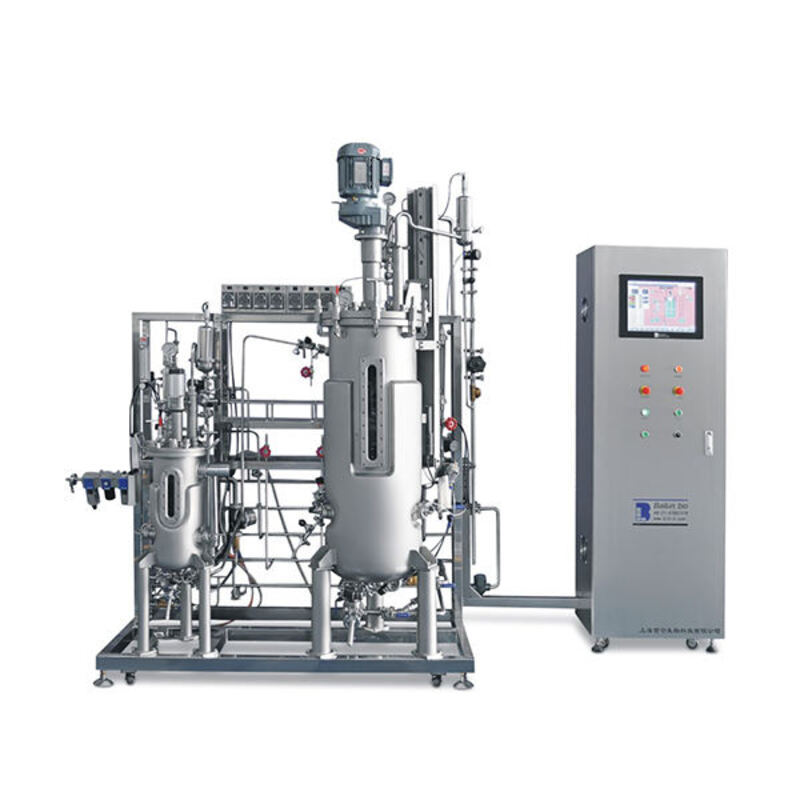
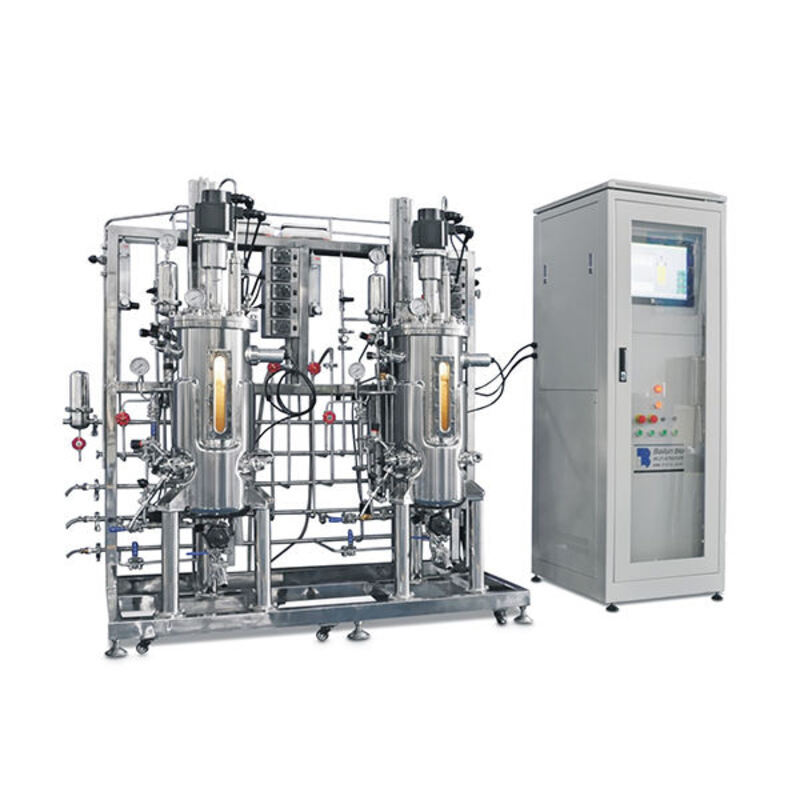
No matter how good the strain is, if it cannot be stably scaled up to the production level of tens of thousands of tons, it is only a "paper achievement". At present, pilot scale conversion is the biggest bottleneck - about 40% of laboratory results are stuck at this level.
To this end, the National Development and Reform Commission and the Ministry of Industry and Information Technology have jointly launched a pilot platform construction plan, aiming to build more than 20 specialized platforms by 2027, bridging the last mile from flasks to factories.
3、 Bottom cards and weaknesses
Not starting from scratch.
At the policy level, the 2025 government work report listed "biomanufacturing" as a future industry for the first time. Special support policies have been introduced in Beijing, Shanghai, Shenzhen, Hefei and other places, and synthetic biology industrial parks have sprung up like mushrooms after rain.
Capital has also taken action upon hearing the news, with related financing exceeding 28 billion yuan in the past year. Multiple companies have completed hundreds of millions of yuan in financing, and listed companies have set up industrial funds one after another.
In terms of industrial pattern, the Beijing Tianjin Hebei region focuses on the development of underlying technologies and tools, while the Yangtze River Delta region is strong in pharmaceuticals and fine chemicals. Guangdong, Hong Kong, and Macao are rapidly laying out in the food and new materials directions, forming a preliminary ecological synergy.
But the challenges are equally severe:
Upstream tools are subject to human control
Core tools such as long-chain DNA synthesis and high-precision gene editing still rely on imports, and there is insufficient accumulation of basic resources such as chassis cell banks and standardized biological components;
The commercialization path is long
The investment in biomanufacturing projects is large and the cycle is long. Many technology-based companies are trapped in the "valley of death" and lack patient capital support;
Market acceptance needs to be improved
Although costs have been decreasing year by year, there is still a gap in price and supply chain stability for bio based products compared to mature chemicals, and policy guidance is urgently needed for application scenarios such as government procurement and green certification.
4、 This is a long-distance race that requires concentration
Biological manufacturing is not a trend, but a deep track that requires ten years of honing.
It does not pursue short-term explosive growth, but may reshape the underlying logic of trillion dollar industries such as agriculture, energy, materials, and medicine.
For China, seizing this technological window is not only related to industrial upgrading, but also to its future voice in the formulation of global green economy rules.
While others are still debating whether it is feasible, the leaders have already silently paved the way in the laboratory, pilot lines, and fields. This competition is about technology, as well as strategic determination and systematic investment.