
The versatile application of hyaluronic acid: skin care, wound repair, food application, with full-chain support for implementation

With the maturity of microbial fermentation technology, the production of hyaluronic acid has achieved high efficiency, low cost, and large-scale production, laying the foundation for its wide application in the fields of medicine, cosmetics, and functional foods.
1. Basic Characteristics and Safety of Hyaluronic Acid Hyaluronic acid is composed of alternating N-acetyl-D-glucosamine and D-glucuronic acid, and its molecular chain contains numerous hydroxyl groups that can bind to a large number of water molecules, forming an effective hydration network.
Hyaluronic acid with different molecular weights plays different roles in the skin: low molecular weight HA can penetrate deep into the skin, enhancing internal moisture; high molecular weight HA forms a moisturizing film on the surface, preventing moisture loss.
Multiple toxicological studies and clinical trials have confirmed the good safety profile of hyaluronic acid.
In animal experiments, its median lethal dose is much higher than the daily intake level; in human trials, long-term oral administration of high doses of hyaluronic acid has not shown adverse reactions, and it is non-antigenic and does not belong to allergens.
2. The role of hyaluronic acid in skin anti-aging Skin aging is accompanied by the reduction of extracellular matrix components such as hyaluronic acid and collagen. Exogenous supplementation of hyaluronic acid can significantly improve skin aging symptoms.
Clinical studies have shown that topically applying hyaluronic acid with different molecular weights can effectively reduce wrinkle depth, enhance skin elasticity, and increase skin moisture content.
Combined use with ingredients such as retinoids can further enhance the anti-aging effect. In terms of photoaging, hyaluronic acid alleviates skin photodamage by inhibiting the expression of UV-induced inflammatory factors, reducing collagen degradation, and promoting endogenous hyaluronic acid (HA) synthesis.
Animal experiments have shown that oral administration of low molecular weight hyaluronic acid not only improves skin moisture and thickness but also upregulates HAS2 gene expression, promoting skin self-repair.
3. The application of hyaluronic acid in skin moisturizing and barrier repair Hyaluronic acid has a strong water-absorbing capacity, capable of binding to water equivalent to a thousand times its own weight, significantly enhancing skin hydration.
Clinical studies have confirmed that daily oral administration of 120mg hyaluronic acid for 12 consecutive weeks can significantly increase stratum corneum moisture content, reduce transepidermal water loss, and improve skin elasticity and wrinkle conditions.
4. The potential of hyaluronic acid in wound healing and inflammatory skin diseases During the wound healing process, hyaluronic acid accelerates angiogenesis and tissue repair by promoting the expression of vascular endothelial growth factor (VEGF) and basic fibroblast growth factor (bFGF).
In addition, hyaluronic acid has demonstrated its role in regulating immune responses and alleviating symptoms in inflammatory skin diseases such as atopic dermatitis (AD) and rosacea. Studies have found that hyaluronic acid with different molecular weights can regulate Th1/Th2 immune responses, providing new ideas for individualized treatment.

5. Current Development of Hyaluronic Acid as a Functional Food Since China approved sodium hyaluronate as a new resource food in 2008, its application scope has gradually expanded to various fields such as dairy products, beverages, and confectionery. Japan, South Korea, the United States, and other countries have also widely used hyaluronic acid in dietary supplements and functional foods.
Research has shown that oral administration of hyaluronic acid can not only improve skin condition but also has the potential to regulate intestinal flora and enhance intestinal barrier function, opening up a new path for its development in prebiotic products.
6. Future Outlook: Although significant progress has been made in the research of hyaluronic acid in the field of skin health, its role in skin barrier function, immune regulation, and molecular mechanisms still requires further exploration.
Future research should focus on the metabolic pathways, biological activities, and applications of hyaluronic acid with different molecular weights in tissue engineering and regenerative medicine, in order to promote the scientific and precise development of hyaluronic acid in the field of skin health.
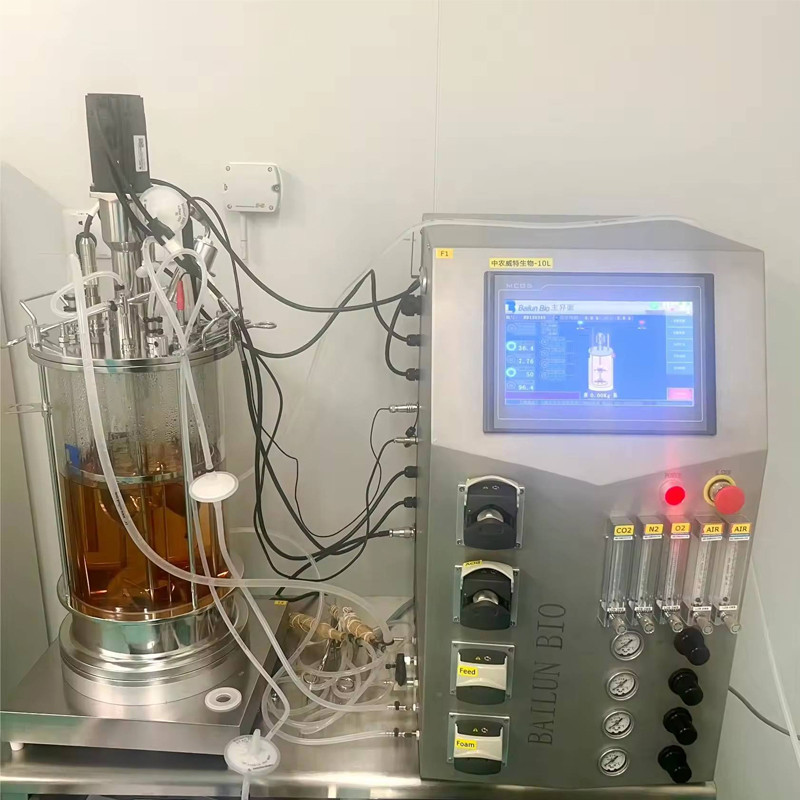
As the application scenarios of hyaluronic acid continue to expand, the "implementation gap" between laboratory research and industrial production is becoming increasingly prominent.
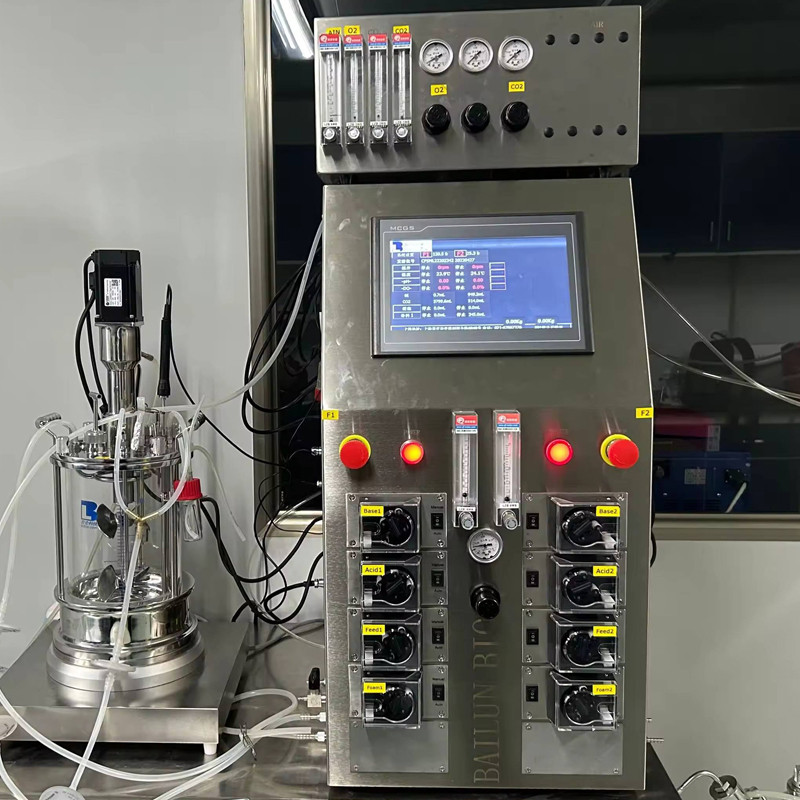
In this critical link, Bailun Biotech can provide a one-stop solution for hyaluronic acid-related projects, from strain construction, process optimization to GMP-level production.