Save a million dollars in budget? 3 major advantages and 5 major risks of second-hand bioreactors

Purchasing second-hand equipment is a common industrial practice, particularly suitable for startups, research pilot projects, or production units with limited budgets.
Its core is to strike a balance between cost, risk, and performance. Bailun Biotechnology can customize personalized bioreactors to diagnose existing bioreactor problems for you. After consultation, you will feel how professional we are with 30 years of industry experience and accumulation!
How to make wise purchasing decisions? Verify the traceability source of equipment status: try to identify the original user unit and produced products of the equipment as much as possible, determine whether it is compatible with your process, and whether there is a risk of cross contamination.
On site inspection: This is an essential step. Focus on checking the polishing quality and corrosion condition of the inner wall of the tank (especially at the weld seam), whether there is a history of leakage in the mechanical seal, the accuracy and service life of all instruments (pH, DO, temperature probes), and whether there is leakage in the jacket/coil.
Requirement for machine testing: Test whether the core functions such as stirring, temperature control, and ventilation run smoothly and meet the process requirements under load conditions.
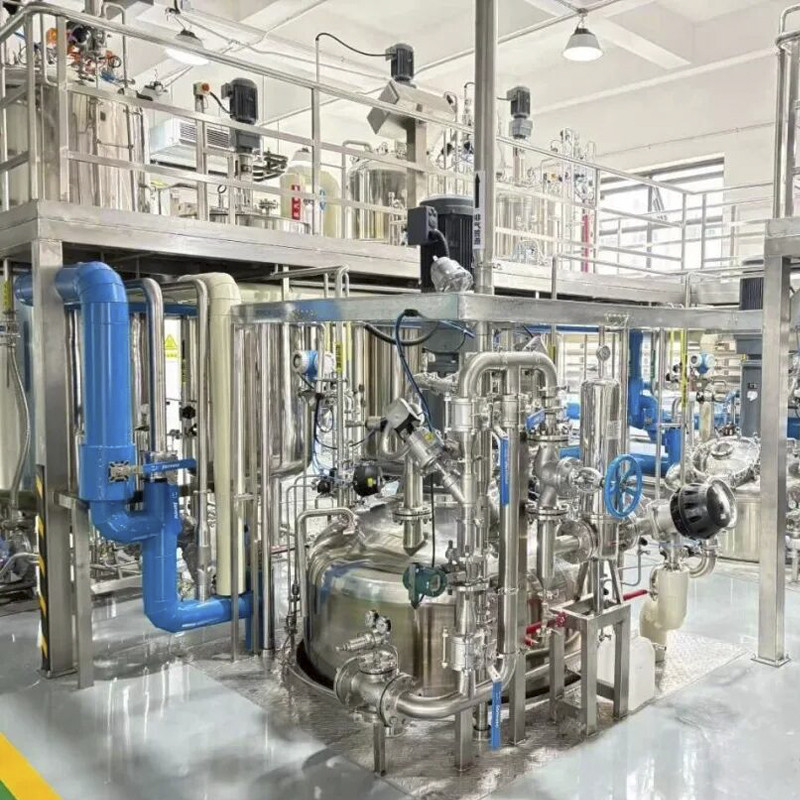
Assess the applicability of the technology and clarify the process requirements: confirm that the material (such as 316L stainless steel), working volume, pressure/temperature range, stirring and ventilation capacity of the equipment fully meet your production process.
Review documents: Request the original factory information of the equipment, pressure vessel certificate, inspection reports from previous years, and maintenance records.
If used in the pharmaceutical or food industry, it is necessary to assess whether it complies with current GMP or food safety production standards, and the cost of refurbishment or validation may be high.
Don't just look at the purchase price when calculating the total cost.
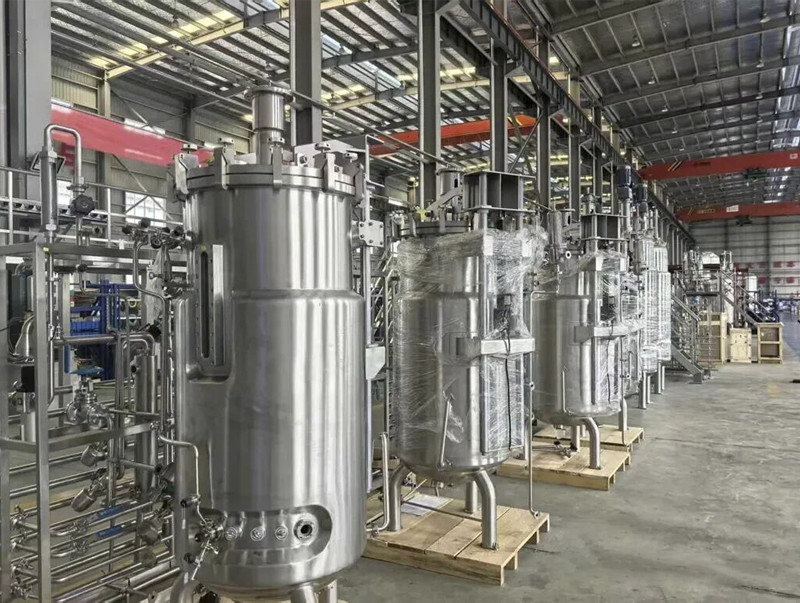
Include all possible renovation costs, the cost of replacing expensive spare parts (such as motors and control systems), installation and commissioning costs, and estimated maintenance costs for the next few years, and then compare the total cost with new equipment or cost-effective domestic new equipment (such as some domestic brand reactors).
In summary, second-hand bioreactors/fermenters are feasible, but they are a double-edged sword. For users with extremely tight budgets and the ability to bear certain technical and time risks, consideration can be given;
But for production that pursues high stability, advanced automation, or strict regulatory oversight, purchasing new equipment or high-quality domestically produced equipment may be a more secure choice.