How long can a bioreactor last? Experienced practitioners share their real durability experience

In fact, bioreactors (fermentation tanks) are not the kind of fast-moving consumer goods that are replaced every three years. Its lifespan is much longer than most people imagine.
1、 The jar itself is actually very durable. Mainstream industrial grade reactors are mostly made of 316L stainless steel, with mirror polished inner walls that are corrosion-resistant and easy to clean.
As long as there is no serious pitting or mechanical damage, the lifespan of the tank structure is generally 15 to 20 years, or even longer.
Our cans from Bailun, which have been in use for twenty years, are still well sealed and have no leaks in the jacket.
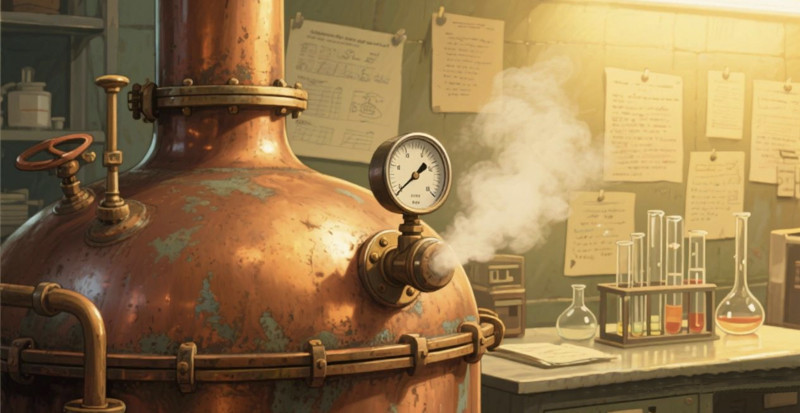
2、 The components that truly limit their lifespan are often the mixing system, mechanical seals, temperature/pressure sensors, PLC controllers... These components are the areas with high aging rates.
Wear of the mixing shaft and aging of the sealing ring can increase the risk of bacterial contamination;
The accuracy of old-fashioned instruments has decreased, affecting the repeatability of the process;
Once the control system is shut down, spare parts are difficult to find and upgrade costs are high.
So, whether a reactor can continue to be used depends not on its age, but on whether maintenance records are complete and key components are updated in a timely manner.
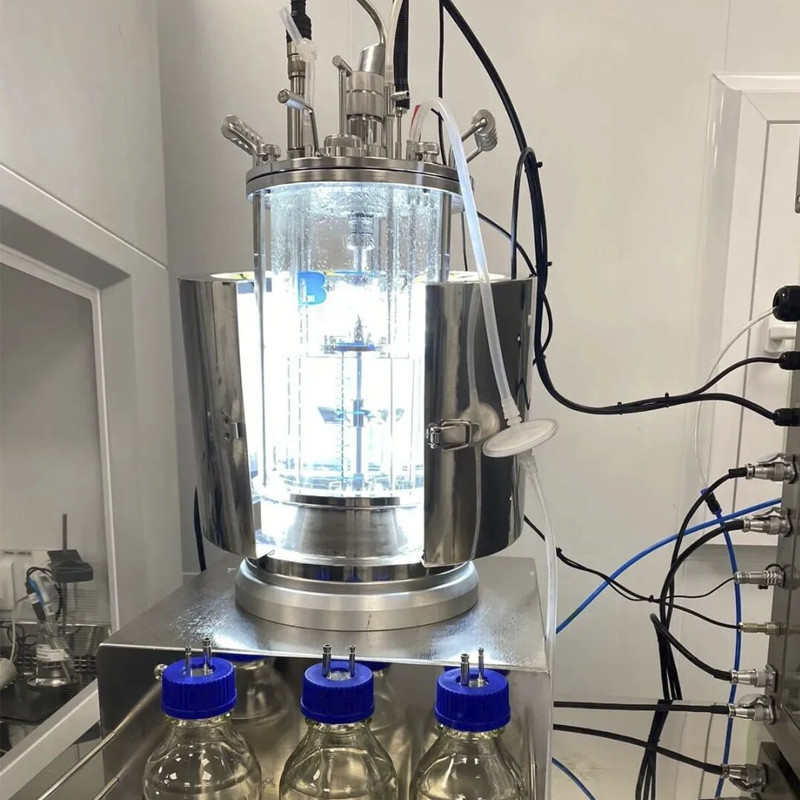
3、 Regular inspections are important
As a pressure vessel, bioreactors must be regularly inspected in accordance with the requirements of the national Solid Capacity Regulations.
This is not about formality - it's about confirming whether it still has the basic conditions for safe operation. Even if it appears to be "everything is normal" after the expiration of the verification period, it cannot be put into use.
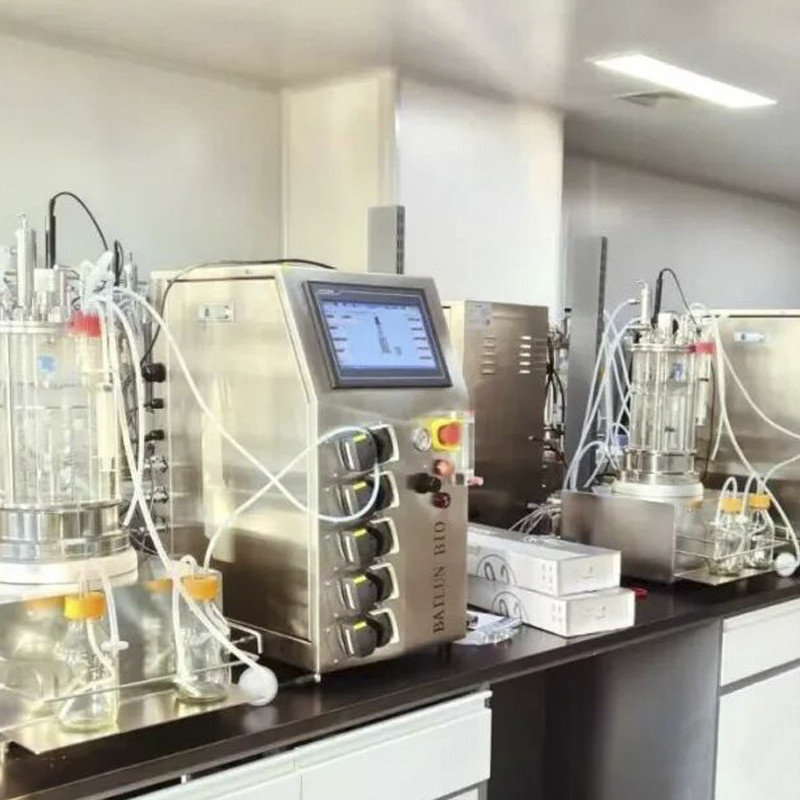
So, the device won't speak, but its status will tell you the answer.
Instead of worrying about how many years it has been used, it's better to ask: When was the last comprehensive maintenance? Have there been any abnormal fluctuations in the latest batch? Is the third-party testing report complete?