
What Is a CIP System for Bioreactors? Purpose, Parts, Benefits?
How do you clean a big fermenter tank without taking it apart? And how do you know it's clean before the next batch? A CIP system for bioreactors cleans the inside of the tank while the tank remains shut. Pumps push water and cleaning liquid through pipes and spray balls. Each stage is managed by a tiny control computer called a PLC. Every new batch thus starts in a clean tank. Bailun Biotech makes bioreactors from 0.1 L to 1000 KL. In 1998, the narrative starts. One thing stays true regardless of size. Good design and clever control, not hard scrubbing, are the keys to a clean tank. In this guide, you will see how a cleaning cycle works. You will also understand the key parts of a CIP station as well as what to check before buying. Clean in Place (CIP) means cleaning a bioreactor's inside without opening it. In the tank, pipes, and valves, cleaning liquid runs. After that, it drains. Why is this important? Germs grow really quickly. A batch will be ruined by even a little dirt within. An effective clean in place system makes the tank ready for the next batch. There is no need to scrub it manually. These modules come in a variety of sizes to accommodate various fermenters. You can look at this CIP system for bioreactors range to see them all. Item What It Means A CIP system for bioreactors pumps water and cleaning liquid through the tank, one step at a time. Spray balls inside the tank wash every part of the walls. Valves and pipes guide each liquid where it needs to go. When one step is done, the next one starts. First rinse: water washes out loose dirt. Alkaline wash: an alkaline liquid breaks down sticky, organic dirt. Middle rinse: water clears away the alkaline liquid. Acid wash: an acid liquid removes hard mineral build-up. Final rinse: clean water washes away any cleaning liquid. How long each step runs, how hot it gets and how strong the liquid is will change from plant to plant. Each plant finds the right mix through testing. SIP (sterilize in place) is the step that kills any germs left after cleaning. On some Bailun tanks, a program runs SIP for you. On others, staff run it by hand, but you can add a program if you want. In short, CIP cleans the tank and SIP makes it germ-free. Both steps work together as one CIP process system. An automatic CIP system lets a program run every cleaning step for you. Staff just pick a cleaning plan on the touch screen. The machine does the rest. You can also change the plan to fit each product. Bailun's controls can save and print the cleaning data. This helps drug makers prove that each clean was done the right way. Factor Manual Tank Cleaning Semi-Manual CIP Automatic CIP Big plants that run many batches under strict GMP rules get the most from an automatic setup. A small lab that cleans less often may only need a simple CIP cleaning system. A CIP cleaning station is a set of tanks, pumps, valves and controls. They all work together as one team. These tanks store water and cleaning liquids, like alkaline and acid washes. Each liquid waits here until its turn comes. Pumps push the liquid with steady force. This helps it reach every spot inside the tank. Bailun uses a spray ball with CIP control valves and pipes. The spray ball sprays the tank walls. The valves send the liquid the right way. The control unit is the brain of the station. Bailun uses a Siemens PLC with a 10 or 15 inch touch screen. You can see the main parts on the automatic BLBIO CIP process system page. They include a pump, a pressure vessel, a PLC, a motor, a gear and a gearbox. A fermenter CIP system is most often made of stainless steel. This metal is strong, hardly rusts and is easy to clean. On Bailun tanks with CIP, the tank is made of SUS316L or SS316 stainless steel. The outer layer, called the jacket, is made of SUS304. The inside is polished smooth to 0.4 to 0.6 µm. This leaves fewer spots where dirt can stick. The SUS304 CIP cleaning station page lists more details. The tank is built to handle a pressure of 0.3 MPa. The jacket is built for 0.35 MPa. Total volume: 5 L to 200 KL Working volume: 30% to 70% of the total volume Power: 0.75 kW to 75 kW Voltage: 220/380V at 50/60Hz Bottom valve: zero dead zone design, so no liquid gets trapped A CIP tank cleaning system saves time and work. It also lowers the chance of germs getting in. The tank stays shut, so no one has to take it apart. This means less waiting between batches. You get the same clean result every time. The machine also needs less care. To learn more, read this hygienic CIP fermenter guide . Steel tanks with CIP work well for plants that make a lot of the same product. Single-use bioreactors do not need cleaning. You just throw the bag away after each batch. But you have to keep buying new bags. Bailun makes both kinds, so you can pick the one that fits you best. CIP is most important where a spoiled batch costs a lot. Bailun's fermenters and bioreactors are used for: Animal vaccines: bird flu, rabies and foot-and-mouth disease vaccines Human vaccines: hepatitis B, tetanus and diphtheria vaccines Microbe growth: bacteria, fungi and yeast Cell growth: mammalian cells, plant cells and algae Other products: enzymes, proteins, additives and antibiotics You will find these uses in biotech, medicine and food companies. A CIP station works best when you check it often. Look at the pumps, valves, spray balls, sensors and controls on a set plan. Small problems can hide. For example, a blocked spray ball can leave dry spots that no one sees. Good training is just as important as a good machine. Bailun's custom project and training services teach your staff how to use the system. You also get a care manual with a guide for fixing common faults. Repair help is given from afar or on site. Staff should also know which pipes each cleaning plan covers. The tank walls are not the only thing to clean. The pipes used to feed, take samples and drain the batch need cleaning too. Bailun Biotech works in one main field. It makes machines for fermentation and cell growth. Its bioreactors come in sizes from 0.1 L to 1000 KL. The company's story goes back to 1998. You can see its lab, pilot and factory systems in the Bailun Biotech company profile . Bailun also has the space and people to deliver. It runs four sites: Ganyu (56,000 m²), Haizhou (5,000 m²), Songjiang (12,000 m²) and Jiading (2,600 m²). It has a team of 500 staff. Each machine is tested before it leaves. You get a test report and a video of the final check. Small lab units arrive in 2 to 3 months. Pilot units take 3 to 4 months. Large factory units take 4 to 12 months. Bailun has ISO 9001 and ASME certificates , including the ASME U Stamp. It also has CE and PED approval. Its team can help you meet GMP rules for the FDA, EU and TGA. CIP means clean in place. It lets you clean the tank without opening it. A clean in place system means no more scrubbing by hand. It lowers the chance of germs getting into the next batch. No, they are two different steps. CIP washes away dirt. SIP kills the germs that are left. Both steps happen while the tank stays shut. One PLC program can run both steps. A Bailun CIP station works with tanks from 5 L to 200 KL. You can fill each tank to 30% to 70% of its full size. It fits lab, pilot and factory tanks. Power goes from 0.75 kW to 75 kW. A CIP system for bioreactors saves money because cleaning takes less time and work. You also lose fewer batches to dirt or germs. Your staff spend less time cleaning by hand. The same clean every time means fewer costly do-overs. The best thing to send is a URS. This is a short paper that lists what you need. No URS? Just say if you will grow bacteria or cells, and what the product is for. Bailun can send you a URS template if you ask. Sharing your tank size helps you get a quote faster. Yes, Bailun builds custom and OEM systems. It also sets them up in other countries. You can order just 1 unit. You can pay by L/C, D/A, D/P or T/T. Training and help continue after setup. The right station should fit your tank size, how much automation you want and your process. Start with these three things. Then look at the materials, controls and support behind any CIP system for bioreactors. Bailun Biotech (Jiangsu) Co., Ltd. is a good choice for new lines and upgrades. It makes CIP stations and fermenters side by side, so they are built to work together. Send your URS to request a CIP station quote . You will get a design that fits your plant.What Does Clean in Place Mean for a Bioreactor?
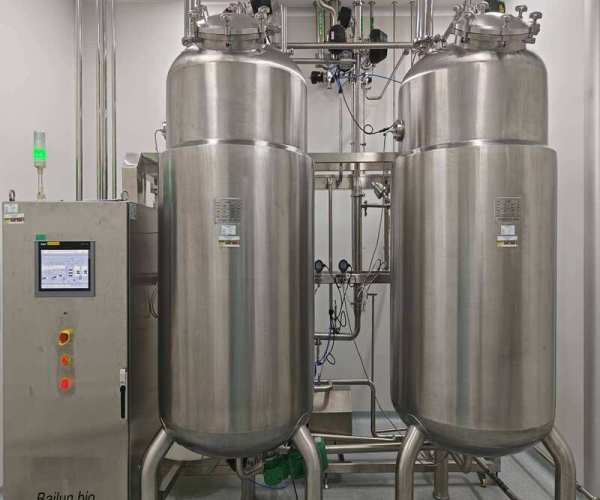
CIP at a Glance: Key Facts
How Does a CIP System for Bioreactors Work?
A Typical Cleaning Cycle, Step by Step
Where SIP Fits In
What Sets an Automatic CIP System Apart?
Manual Cleaning vs Automated CIP Compared
Key Parts Inside a CIP Cleaning Station
Liquid Tanks
Pumps for Flow and Pressure
Spray Balls, Valves, and Pipes
PLC Control and Touch Screen
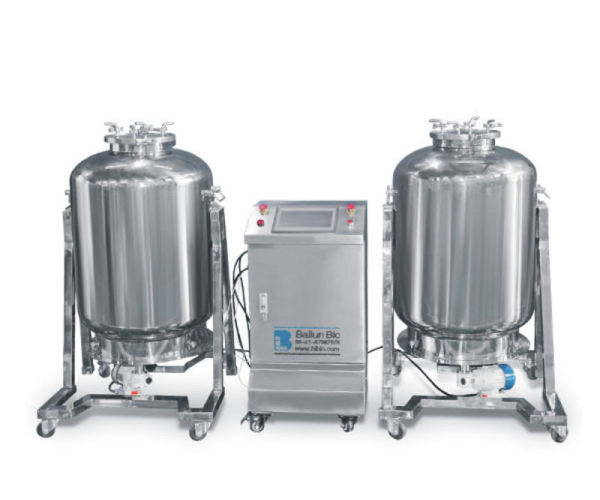
Materials and Build of a Fermenter CIP System
Listed Specs at a Glance
Main Benefits of a CIP Tank Cleaning System
CIP or Single-Use: Which Suits Your Process?
Where Bioreactor CIP Cleaning Matters Most
Keeping a CIP Station in Good Working Order
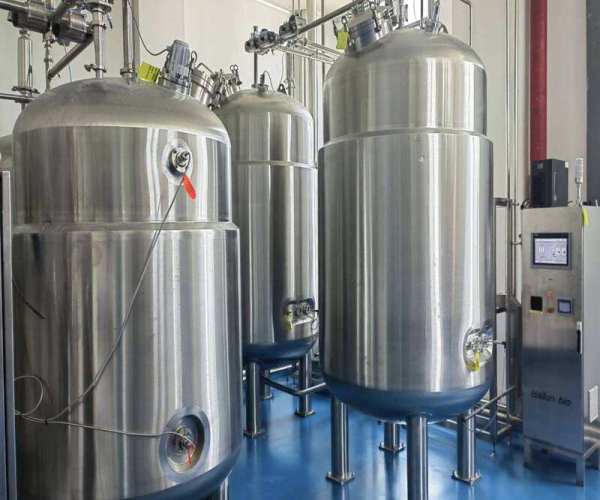
How Bailun Builds CIP Stations for Bioreactors
FAQs
What does CIP mean on a bioreactor?
Is CIP the same as SIP?
What vessel sizes can a CIP station serve?
How does a CIP system for bioreactors save money?
What should I send when asking for a quote?
Can the system be customized and installed abroad?
Conclusion