
Smart & Hygienic CIP Station Automatic Bioreactor Fermenter
The CIP Station Automatic Bioreactor is one tool that helps clean large tanks very carefully. The tank is used to grow microscopic organisms, which are also known as bacteria. These microorganisms are important for many useful things, like food and medicine. CIP stands for "clean-in-place," which is what the process is called. You don't have to open the tank to clean it, then. Water and cleaning solution move around inside the tank. Little spray balls hit the water in the tank. It does a good job of cleaning the inside walls. A clean tank helps microbes grow properly. Because of this, a Reliable CIP Station Automatic Bioreactor Fermenter is a popular choice in many labs.
Essentiality of Cleaning for the Fermenter
Even the smallest bacteria can grow quickly in a fermenter tank. There are both good and bad germs. Germs can grow in a dirty tank. This could ruin any experiment or product. A CIP Fermenter is a good way to fix this problem. It cleans the tank with a series of safe washes. Pipes and pumps move the cleaning liquid all over the system. to learn how to clean things properly.
cip system station system CIP tank cleaning in space CIP station BLBIO
Bailun Biotech has come up with a way to clean that works well and is easy to use. The CIP Station Automatic Bioreactor Fermenter intended users are science labs and big businesses. The tanks are made of stainless steel. This metal is strong, shiny, and easy to clean. The system's smart controls also make it easier for people to use the machines.
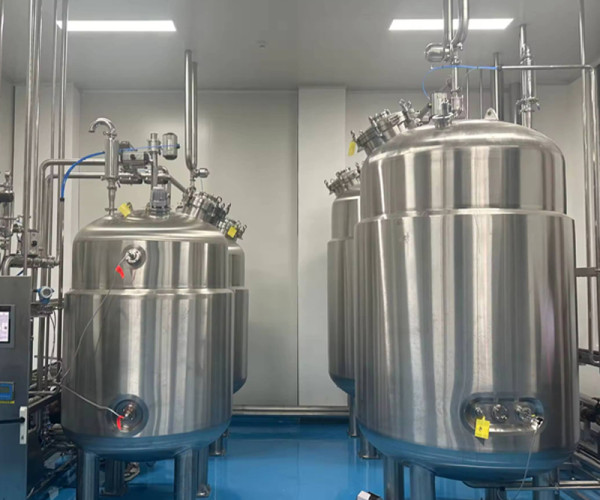
Strong Tank Design
The tank is made of strong stainless steel. You can often find this metal in scientific equipment. They are safe to use in the lab and don't rust. The inside of the tank is very smooth and looks like a mirror. Germs have a hard time sticking to its smooth surface. Also, cleaning water may easily slide over the surface. The tank is round and tall. This shape makes it easier to mix. It also helps the fermenting liquid get more air.
Mixing Inside the Tank
The Automatic Bioreactor Fermenter mixes the liquid very well to encourage the best growth of microbes. The machine has a motor that stirs. Inside the tank, the motor spins blades that are made for the job. These blades move the liquid around.
Cleaning and Sterilizing the Tank
The machine can also be used to clean the tank. To sterilize means to get rid of harmful microorganisms. The system uses a method called SIP (sterilize-in-place). This means that you can sterilize the tank without taking it apart. After sterilization, the CIP Station Automatic Bioreactor starts the cleaning process. CIP Fermenter keeps the tank safe for the next batch.
Air and Feeding Control
Microbes need food and air to grow. The device uses a flow meter to move air into the storage tank. This way, the liquid can keep the right amount of oxygen in it. The device also uses a pump to slowly give nutrients. This means that the number of microbes may keep growing.
Temperature and pH Control
Microbes love it when the temperature is just right. The fermenter can heat the water in the tank as needed. You can keep the temperature between 5°C and 70°C. The tools also check the pH level. You can tell if a liquid is acidic or basic by looking at its pH. The machine might add small amounts of acid or base to fix the pH. Specialized sensors can measure these amounts with great accuracy.
Oxygen Monitoring
Oxygen is very important for many different types of microorganisms. The apparatus checks how much oxygen is in the fluid. This is what DO stands for: dissolved oxygen. If the oxygen level gets too low, you can add more air to the system. You might also be able to mix the liquid more quickly. So, the bacteria stay healthy. Well-controlled oxygen levels lead to better fermentation products.
Sampling and Harvesting
Scientists have to keep an eye on the liquid while it is fermenting. There is a small valve on the tank so that people can take samples. It's fine for workers to collect some fluids. Cleaning and sterilizing the valve is another option. The product has to leave the tank when the process is over. The bottom valve can let the liquid out easily. The design makes sure that no liquid will get stuck in the tank.
Pressure and Exhaust Safety
The device checks the pressure inside the tank. You can change the mechanism if the pressure changes. With sensors, you can measure pressure very accurately. The first place gas goes when it leaves the tank is a condenser. This process cools the gas and gets rid of any moisture. Valves control how gas is let out. This is how the lab stays safe and clean.
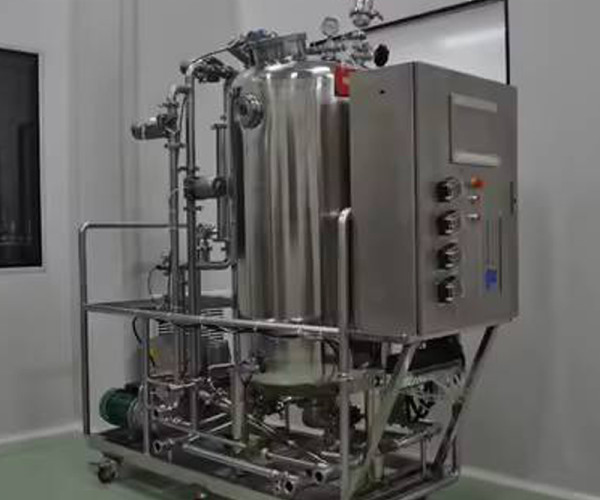
Control Screen and Software
You can control the fermenter with a big touchscreen. Employees can see settings and numbers on the screen. The CIP Station Automatic Bioreactor Fermenter system is run by a Siemens PLC. The screen shows readings for the temperature, pH, oxygen saturation, stirring speed, and feeding rate. The system may also save data for future research.
Optional features to Customize the Fermenter
Some people might want more sensors and tools. You can add more features to the machine. Researchers can keep an eye on more variables as fermentation goes on with these options. A remote control lets people in another room check on the system. You can add more gas control systems if you want to.
Control from afar
Flow meters for moving gas
Gas management for nitrogen, oxygen, and carbon dioxide
Sensors for levels
Tools for measuring turbidity
A biosensor
A system of weights
Automated valves for emptying
Adding these tools makes the CIP Station Fermenter better at doing research and making things.
Cip station automatic bioreactor fermenter price
The CIP Station Automatic Bioreactor Fermenter price of the CIP station automated bioreactor fermenter depends on its size and features. Usually, small tanks cost less. Big industrial tanks cost more. More sensors and advanced controllers can make the price go up. Using strong stainless steel parts makes the machine more valuable. Labs should compare features before they buy something. Getting a fermenter could help you save money and get better results.
Benefits of Using a CIP Station Fermenter
Using a CIP Station Fermenter can bring about a lot of benefits. The machine cleans the tank by itself. This CIP Station Automatic Bioreactor Fermenter saves time and cuts down on work. There is also less of a chance of contamination. The process gets faster and more reliable. Employees have more time to come up with new ideas and get things done. Clean equipment can also help you get better results.
Benefits include:
Better cleaning
Safer fermentation
Tasks that are done automatically
Faster output speed
Results that are always the same
Less maintenance
Get the Best CIP Station Automatic Bioreactor Fermenter
Bailun Biotech (Jiangsu) is one company that makes fermentation machines. Their products are used in labs and factories all over the world. They build bioreactors, fermenters, and CIP cleaning systems. People say that they make high-quality devices that are built to last. Many scientists trust their tools. Their Reliable CIP Station Automatic Bioreactor Fermenter is built to last and work safely, so you won't regret buying it.
FAQs
What is a CIP Station Automatic Bioreactor?
The CIP Station Automatic Bioreactor Fermenter is a fermenter that cleans itself. Water and cleaning solution move around inside the tank. Use a spray ball to clean the insides. This keeps the tank clean without having to take it apart.
What are some ways to use CIP fermenters?
CIP Fermenters are used by a number of industries, such as biotechnology, pharmaceuticals, and food processing. Scientists also use them to study.
How easy is it to understand?
Yes. The machine has a touchscreen and an automated control system. The Cip station automatic bioreactor fermenter manual will help you learn all the steps.
Can I make the machine my own?
Sure. There is space for more sensors and tools. This means that the fermenter can be used for many different things in both research and production.