
Can Stainless Conical Fermenters Handle Pressurized Fermentation Safely? Seal, Rating, Relief
Does a stainless steel conical fermenter really hold pressure without leaking? This is a question that brewers ask before every tank upgrade. A ruined batch from a bad seal It can also put people in the vicinity at risk. Year after year, people testing fermentation tanks return to the same three checks. These are the lid seal, the relief valve, and the pressure rating. This article describes how one of these tanks is safe under pressure. How to read a pressure rating It also discusses which seals will hold up and how a relief valve will keep a batch and a brewery safe. A stainless steel conical fermenter is a fermenter with a cone shaped bottom. Made from food safe steel, typically grade 304 or 316. The cone shape is for the yeast and spent grain to settle to the bottom. A brewer can drain this out through a valve without ever opening the tank at all. In this class of tanks, a flat-bottom tank is peerless for controlling sediment. These tanks are used in work with beer, cider, kombucha and small batch spirits. Most models also have a cooling jacket, a lid rated for pressure, and a valve at the base of the vessel for draining. Feature Typical Range Purpose Three-piece working safely deals with pressure in stainless steel conical fermenter . Good lid seal, pressure rating appropriate for the beer type, relief valve opens when it's supposed to. Home tanks are generally rated somewhere in the 5 to 15 PSI range. That should be plenty for natural sparkle and spunding. The test batch tanks are bigger and can go higher, up to 30 PSI sometimes. But it only counts if the manufacturer puts a verified number on a data plate. Most pressure problems originate from the omission of one of these three checks. Gasket material- Food-safe silicone or EPDM rubber is better able to withstand repeated pressure than plain rubber. Lid clamp design- A bolted or clamp-on lid spreads the load evenly. A simple snap-fit lid is usually not designed for pressure at all. O-ring condition- O-rings that are cracked or flat are the most common cause of a slow leak. Fitting quality- Welded ports have better pressure holding than glued or press-fit ports. So usually it comes down to money versus peace of mind. A used tank will cost you 30-50% less than a brand new one. But a new unit is under written pressure test and comes with a full warranty. A conical fermenter made of stainless steel does not wear out on the tank walls quickly. What parts fail first? Gaskets, valves, and gauges. A proven pressure rated conical stainless steel fermenter is always the safer buy than one with no paperwork at all. Factor New Tank Used Tank Why It Matters You can still find a great deal on a used stainless steel conical fermenter. But only when the buyer tests the pressure themselves, and changes all gaskets before first use. A stainless steel conical fermenter needs a clean-in-place (CIP) routine after each batch. This prevents build-up around the seals. The cone is filled with yeast and grain waste. If left for too long this waste can attack the steel, even good 304 grade. A quick rinse won't do it. The stainless steel conical fermentation tanks need a good washing, a good rinsing, and a final sanitising step. Regular cleaning is also good for the pressure parts and not only for the inside finish. A gasket left in old waste wears out faster. It begins to leak before a cleaned and dried one after every use. Immediately after emptying the tank, rinse it before the waste dries on the walls. Run a strong cleaner through the CIP arm to clean out any remaining yeast & grain film. Then rinse, to clean out mineral deposits in the tank. Dry and check the lid gasket and O-rings before replacing or refilling the tank. The pressure rating of the tank should best match what the brewery intends to produce. Don't just buy the biggest tank your budget can afford. A home brewer producing a few kegs a month has different needs than a busy brewery producing batches every week. Size and pressure can make a big difference to needs. Home brewers typically transition from plastic buckets to a stainless steel conical beer fermenter. It is easy to harvest the yeast, and it can ferment at normal pressure. The larger breweries will tend to move to larger stainless steel-conical fermenters with a common cooling system. All tanks in that system must be rated for the same tested pressure. A reactor stainless steel conical fermenter is often the same pressure rated tank in lab or test settings. It's just marked for early stage testing, not retail sale. There is a balance to be struck between buying a tank with too much pressure power for the intended real-world use case, and buying one with too little. Most of the pressure problems are from a few habits, not a bad tank. One of the most common is overtightening the lid clamp. This could distort the gasket seat instead of sealing it shut. Another mistake is to disregard the test date printed on the relief valve. If the valve is stuck it will not vent even with a good tank. Do not pressure test before first use Mixing gasket types that weren't meant for the same lid. Leaving a spunding valve closed all the way while actively fermenting. Leaving old waste in the seal grooves when storing the tank. It's helpful to read every listing for stainless steel conical fermenters for sale before you buy. Don't just look for a picture, look for a stated pressure rating and a test paper. The home‐use units run normally at 5 to 15 PSI, with some larger units rated at higher pressures. The actual amount is based on the maker's tested rating, not the size of the tank or the type of steel. Always check the data plate for the PSI number tested. Never judge a rating by a tank that looks the same. A spunding valve is an adjustable valve that allows a tank to build up natural fizz, while venting off excess pressure. When a brewer wants fizz to build up during fermentation rather than adding it later. It sits on the gas out port of the cap. It should be cleaned and inspected between batches. No. Only tanks that are rated by the manufacturer for use under pressure can ferment under pressure safely. A simple no-pressure conical fermenter does not have the seal and relief parts needed to contain gas safely. Before attempting a pressurized batch, check the spec sheet Just adding pressure parts to a tank not designed for them is not a safe fix. A hissing noise, a slow drop on the gauge, or a failed soap-and-water test at the lid joint usually indicates a failed seal. The simplest way to check for a leak is the soap test. Often the O-ring is a slow drop over night. A sudden drop usually indicates a clamp or gasket problem. A unitank is a fermenter that is conical and allows fermentation and carbonation under pressure in the same tank. A plain old conical fermenter can still ferment well, it just might not have the same pressure rating or built in valve as a unitank. Unitanks usually incorporate a pressure gauge. Plain tanks may require add-on relief valve kit. A pressure relief valve should be tested prior to each pressurized batch, not just once a year. A quick hand test indicates the valve is not stuck shut from old build-up. Test after each deep cleaning. If the valve does not snap shut immediately after testing, replace it. A stainless steel conical fermenter can handle pressurized fermentation well, but only if the seal, pressure rating and relief valve are checked together, not just assumed. Whether the tank is brand new or bought secondhand, most safety problems begin with skipping any one of these checks. If you want proven pressure ratings and consistent build quality on every unit, check out Bailun Biotech (Jiangsu) for brewers and makers. Their fermentation tanks are built with proven pressure parts, not off-the-shelf fittings applied later.What Exactly Is This Type of Fermentation Tank?
Key Facts About Stainless Steel Conical Fermenters
Can Stainless Conical Fermenters Handle Pressurized Fermentation Safely? Seal, Rating, and Relief
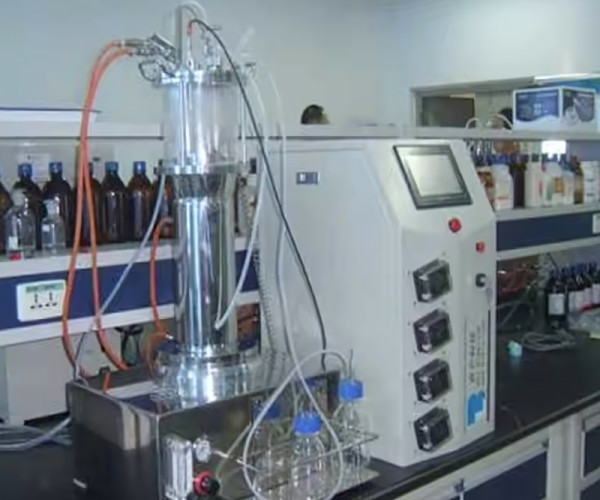
What Keeps the Seal From Failing Under Pressure
Should You Buy a New or a Used Stainless Steel Conical Fermenter?
New vs Used: What Actually Changes
How Do You Clean and Maintain This Kind of Fermentation Tank?
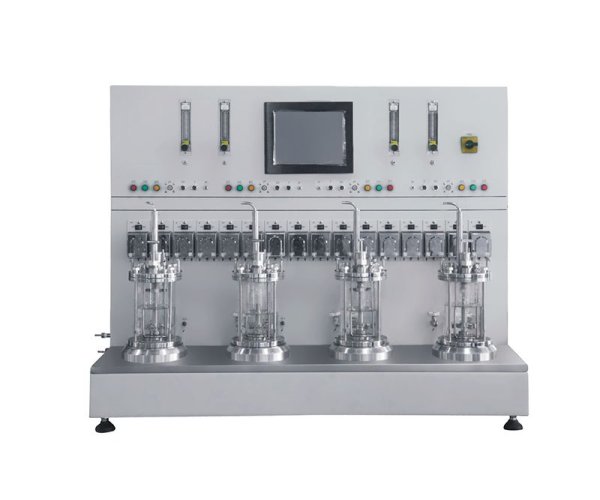
How Do You Choose the Best Stainless Steel Conical Fermenter for Your Brewery?
Matching the Tank to the Use Case
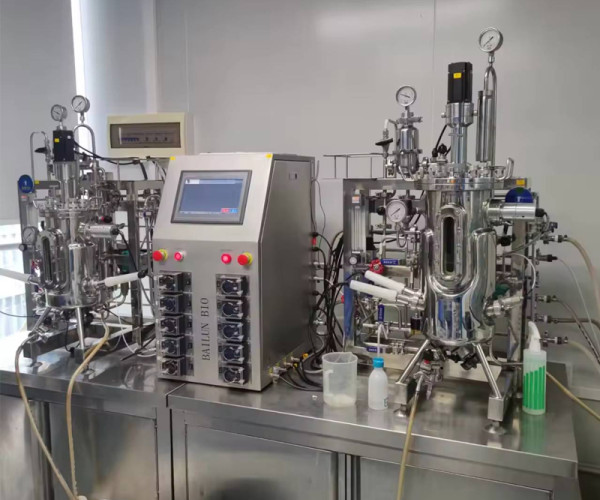
Common Mistakes That Cause Pressure Fermentation Failures
Frequently Asked Questions
What pressure can stainless steel conical fermenter take?
What is a spunding valve and do I need it?
Can a conical fermenter ferment under pressure?
How can you tell if a fermenter seal is going bad?
What is the difference between a unitank and a conical fermenter?
How often do you have to check the pressure relief valve?
Conclusion