High density fermentation process

High density cell culture technology, also known as high-density fermentation technology, refers to a bacterial culture technology that significantly increases the fermentation density of bacterial cells by improving the culture method and conditions under a certain culture system, ultimately improving the specific productivity of the product (the yield of the product per unit volume and unit time).
The types of bioreactors commonly used for high-density cell culture include ordinary stirred fermentation tanks, stirred fermentation tanks with external or internal cell retention devices, dialysis membrane reactors, cyclone reactors, air lift reactors, and vibrating ceramic bottle reactors.
The main methods for achieving high cell density fermentation include fed batch culture, cell cycle culture, dialysis culture, cell immobilization culture, etc. Among them, fed batch culture is the most comprehensive and widely used.
Feeding batch cultivation is the continuous or regular addition of nutrients to the reactor under the premise of batch cultivation, in order to maintain a low concentration of nutrients in the fermentation system. At present, there are mainly two strategies for controlling the flow of nutrients: feedback control and non feedback control.
The use of fed batch cultivation can eliminate the inhibitory effect caused by rapid utilization of carbon sources, avoid the toxicity caused by the accumulation of inhibitory by-products during the cultivation process, and also prevent plasmid instability caused by rapid bacterial growth.
But there are also certain drawbacks, such as the expensive accessory equipment used for feedback control and the requirement for operators to have high operational skills.
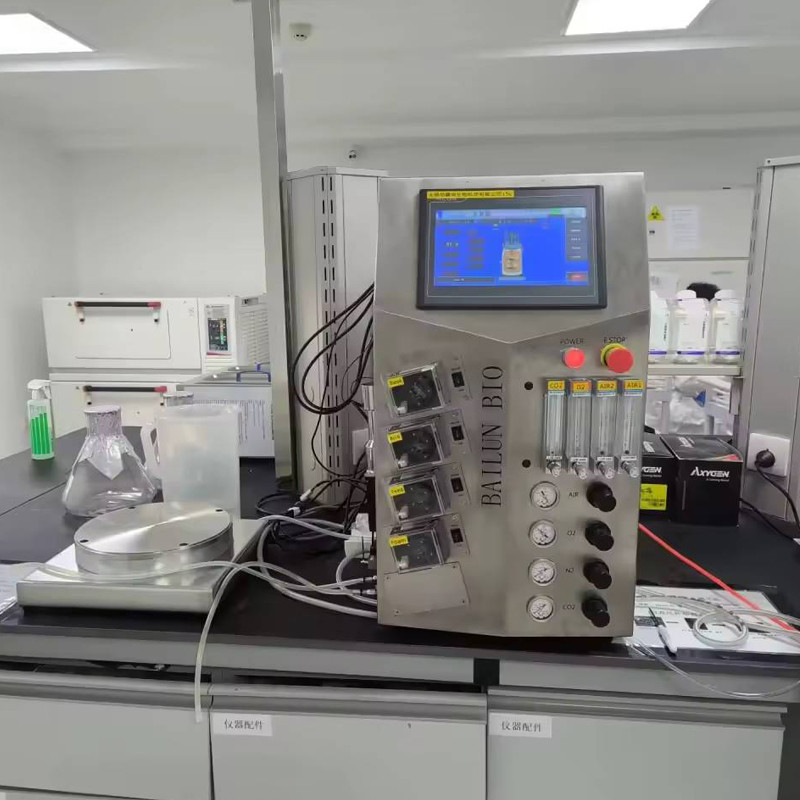
Cell cycle culture is the process of separating cells from the mash using a certain method, returning the cells to the container for recycling. Cell free mash is continuously transferred at a given rate, while fresh culture medium is used at the same time. Generally includes settling, settling, and membrane filtration.
The use of this technology can continuously transfer metabolic waste products, avoiding their feedback inhibition on cell growth and facilitating the separation of target products.
Dialysis culture is a cultivation method that wraps microorganisms in dialysis membranes and allows fresh culture medium to flow externally. It can effectively remove harmful low molecular weight metabolites and provide sufficient nutrients to the culture medium for bacterial utilization.
During the dialysis process, the semi permeable membrane is not perfused, avoiding membrane blockage problems in microfiltration and ultrafiltration, and adopting a "nutrient distribution" feeding strategy greatly improves the utilization rate of nutrients.
Cell immobilization is the process of physically or chemically restricting or localizing free cells to specific spatial locations.
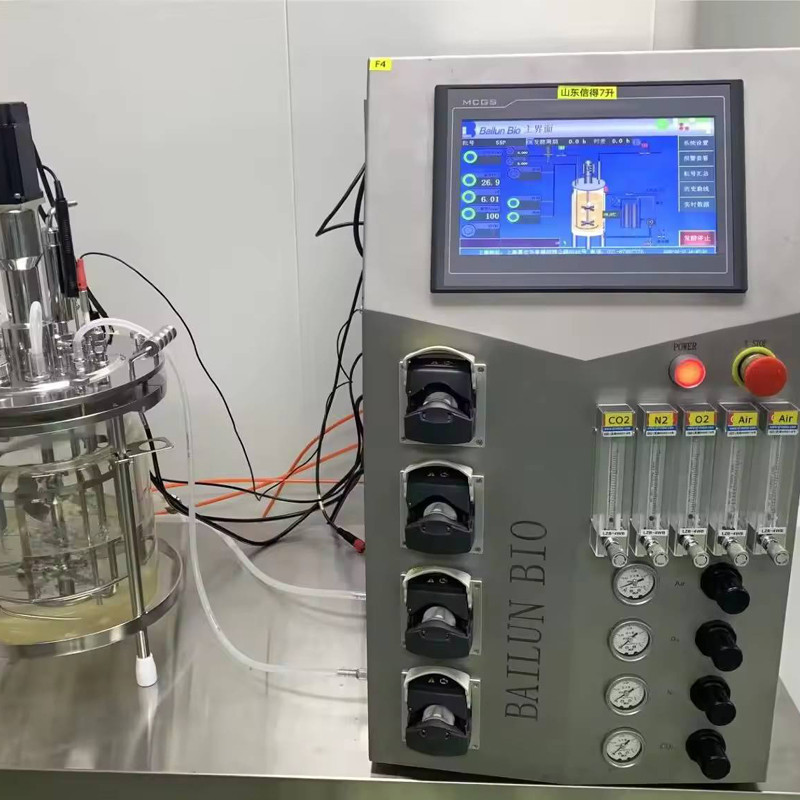
The use of immobilized cells can convert traditional microbial fermentation into continuous enzymatic reactions, improve productivity, and reduce the inhibitory effect of metabolites on cell growth.
Lactic acid bacteria liquid core microencapsulation culture is a type of cell immobilization culture, which surrounds cells in bead shaped microcapsules with a hydrophilic semi permeable membrane. Through continuous culture, a high cell density can be achieved inside the microcapsules.
Compared to other cultivation methods, dialysis cultivation can increase cell density by 30 times. The use of dialysis culture in high-density fermentation can save time in optimizing the culture medium and improve production efficiency.
However, the equipment investment for dialysis cultivation is large, and the operational technical requirements are high, so its application in actual production is relatively limited.