
Why Do Biopharma Labs Choose Cell Culture Fermenters? GMP, scale, sterile
Can your lab culture cells in a safe and efficient manner and comply with the GMP regulations? I have been working with cell culture fermenters in the fermentation sector for 8 years and have seen first hand how the lack of equipment causes several laboratories to fail. On this page you will find a definition of a cell culture fermenter, how it works, why GMP is important, and a list of several real laboratories that use these systems today. Cell culture fermentation is performed in a cell culture fermenter bioreactor, a specially designed tank for cell culturing. These cells produce valuable goods such as antibodies, proteins and vaccines. At all times the tank's temperature, pH and oxygen levels must be just right. One mistake could do it in the cells or the whole batch. The processes of fermentation and cell culture are biological rather than chemical. Hence ultra precision machinery is required. Modern cell culture fermentation bioprocessing employs microsensors and automated control systems. These systems run all day long, no matter what time it is. There is no other way to make a biologic drug, so labs use them. We need better fermenters to keep up with the growing demand for these drugs. Parameter Typical Range How It Is Controlled Why It Matters "People always ask, 'Why can't I just use any bioreactor? Just see the solution. Typical bioreactors are high air, high shear. Bacteria are quite capable of that. However, animal cells have no outside. Being delicate, they are prone to injury. The delicate cells are designed to be handled with care in a Cell culture fermenter . It works with a fine churning blade and tiny air bubbles. This protects the cells, but also provides them with oxygen. A good fermenter for cell culture in animal cells can keep cells alive for days if not weeks. The result is increased output and reduced batch failures. Cell Type Blade Style Stir Speed Air Type Foam Level Important Point: Animal cells require delicate bubbles and gentle mixing. Bacteria can tolerate strong mixing. If you choose the wrong config, your cells and harvest will be affected. Pros: Hypoallergenic, safe for sensitive animal cells Integrated regulation of pH, oxygen and temperature Complies with all GMP standards for cleanliness and sterility Single-use bags result in reduced contamination. Employs leading edge process monitoring software Cons: Initially more costly than a normal tank The need for competent personnel to work In the long term, the cost of one-time-use components is higher Changing from one type of cell to another is not an easy thing. GMP stands for Good Manufacturing Practice. A substance has to meet these strict standards before it can be classified as safe for human consumption. Many laboratories are asking themselves, “Why is GMP so important in cell culture fermentation?” Your medicine will not get to patients unless it is GMP-compliant. Every step is carefully recorded in a GMP fermenter. Alarms, clean cycles, pH and temperature are all recorded. The source can be located in case of an error. In addition, ensuring regular cleaning and inspection of cell culture fermentation systems should be done. Going from a 10 liter to a five-hundred liter tank should yield the same result. That is the GMP scale-up definition. Stage Tank Size GMP Level Needed Main Risk All pH, O2 and temperature sensors should be checked and recorded. Keep track of each wash by time and record each cycle. Safe software should have a complete audit trail and login control. Items making contact with the liquid to be certified as per FDA approved standard. Auto batch records must have data saved automatically and not be modifiable. They are used by biopharma companies to make antibodies and cancer drugs. They are primarily used for making vaccines to viruses and influenza. Clients run contract manufacturing organizations (CDMOs) concurrently. Virus-based therapeutics are developed in enclosed sterile systems in gene therapy laboratories. In all these fields use sterile and well-documented batches. Outcomes are more important than specifications. The manufacturing method of life-saving drugs in laboratories all over the world is cell culture fermentation bioprocessing. Every successful cancer therapy or COVID vaccination is based on the cell culture fermenter. What is the best example from the real world? The production of antibody medicines is most often carried out in CHO cells. The runs last from 10 to 21 days and require strict pH control. Vectors for gene therapy can be produced in insect cells. Enzymes and proteins can be rapidly made using yeast based fermentation cell culture. Each situation is different, but the best way to approach them is with a system that's organized, extensible and tightly managed. Product Made Cell Used Fermenter Type Tank Size Result Feature Cell Culture Fermenter Microbial Fermenter In short, pick a cell culture vs fermentation technique based on your product and cell type. Animal-derived biologicals always need dedicated cell culture systems. Microbial operations can be done in a simpler and cheaper fermenter. Based in Jiangsu, Bailun Biotech manufactures GMP-ready cell culture fermentation systems from the ground up. They have stainless tanks and disposable tanks. Their engineers assist with scaling up, cleaning cycles and regulatory documentation. As production volumes increase, Labs using Bailun see a reduction in errors and a reduction in turnaround times. The fast movement and over-flow of a fermenter for microbial cell culture is not feasible for fragile mammal cells. Different systems perform significantly better. To change cell types it is necessary to upgrade hardware. A shared tank increases the risk of cross-contamination. The results are better with dedicated systems. Get a tank of around 2 - 10 liters and see how you go. Then scale up to 50-200 L for GMP pilot runs. Whatever size you make the vessel, do not change its shape.” Check for control of breathing at all sizes Document your procedures for the scale-up of the regulator For small quantities single-use cell culture fermentation bags are safer and easier. Stainless tanks are also much cheaper for large batches. Single use Suitable for small quantities, clinical uses Best in commercial scale stainless steel. Both types are commonly used by CDMOs. pH and oxygen sensors are particularly critical. Temperature and CO2 sensors are also critical for bioprocessing of cell culture fermentations. Also standard today are live biomass sensors. New sensors that use light allow you to track nutrients. SENSORS All sensors must be tested and documented to show compliance with GMP. Bailun Biotech (Jiangsu) provides hardware and professional support. They help labs with regulatory paperwork, housekeeping checks, scale-up testing. The tanks vary in size from one thousand to one hundred thousand liters. Help is also available with setup and test runs. GMP labs provides support after the sale. Cell culture fermentation is the way modern drugs are made. At the heart of every biologic medicine, vaccination and antibody is a fermenter. Proper, GMP-ready cell culture fermentation systems allow laboratories to speed up the approval process for drugs, reduce batch failures and improve overall results. Whatever the size, you require the right equipment. Bailun Biotech (Jiangsu) is your best partner for your lab growth strategy. Their animal cell culture fermenters are built to GMP standards and offer total support. From a small 10 L starter tank to a big 5,000 L system, Bailun Biotech has everything you need.What Is Cell Culture Fermentation?
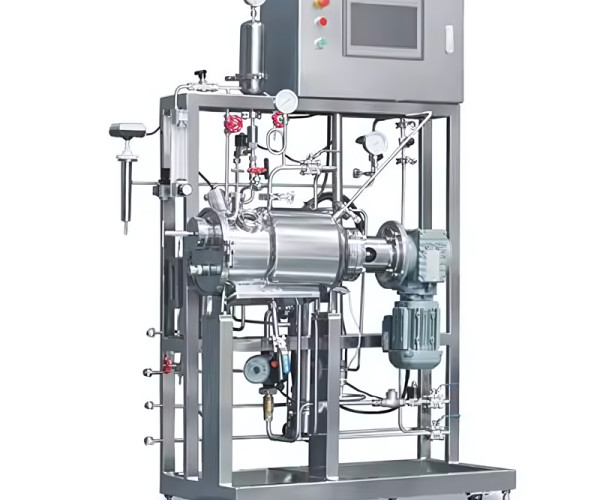
Core Control Parameters in Cell Culture Fermentation Systems
How Does a Cell Culture Fermenter Differ From a Normal Bioreactor?
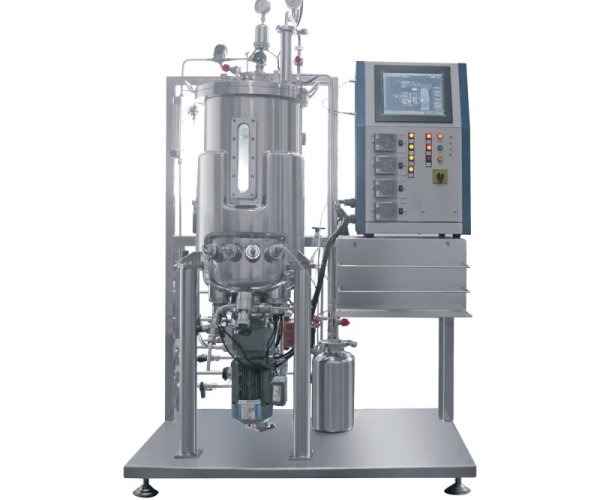
Design of fermenter based on cell type
Pros and Cons of Cell Culture Fermenters
What Makes GMP Compliance So Important at Scale?
GMP Scale-Up Stages at a Glance
GMP Checklist for Your Fermenter
Which Industries Use GMP Fermenters?
Which Real-World Uses Show the True Value of These Systems?
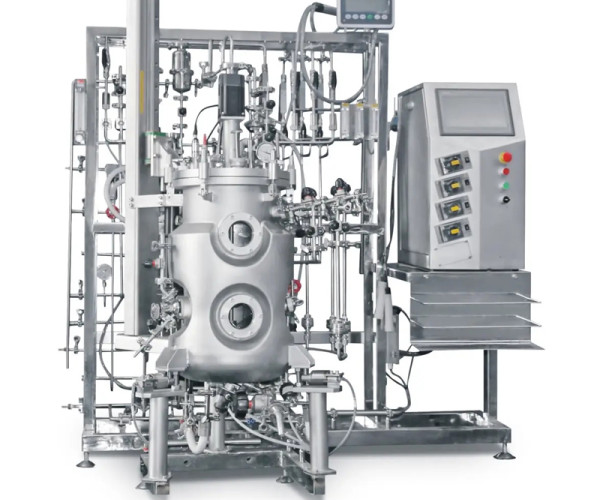
Real Lab Case Study Results
Cell Culture vs Fermentation- Which One Do You Need?
Why Labs Trust Bailun Biotech for These Applications
Frequently Asked Answers
Can the same fermenter be used for animal and microbial cells?
What size tank do you suggest when starting a biopharma lab?
Is stainless steel better than single-use materials?
What sensors you need in a cell culture fermenter?
How can Bailun Biotech help if a lab wants to scale up?
Conclusion