
Which Mini Lab Glass Fermenter Fits Lab Needs? size, volume, features
Are you picking out the correct fermenter to use in your laboratory? The field of fermentation biology has been my focus for the past 11 years. Many laboratories have failed in my experience because they picked the wrong mini lab glass fermenter. How to choose the ideal mini lab glass fermenter is the subject of this essay. In layman's terms, I will discuss volume, size, and important qualities. In addition, I will include examples of actual use, tables, and comparisons. Make a quick and secure decision with this. In a fermenter lab, a mini lab glass fermenter is a tiny apparatus used for research and testing. For small-scale experiments and laboratory work involving biological fermentation, it is utilized. The transparency and ease of cleaning make glass conical fermenters quite popular. Users may see the process illustrated in a logical way. Enzymes, bacteria, and yeast are all grown in a mini conical fermenter. A fermentation tube lab setup is also utilized with it. These setups let you manage the flow of air, temperature, and mixtures. For process balance management, many laboratories employ fermentation glass weights or glass fermenting jars. Using these tools, you may get better outcomes with fewer mistakes. Component Function Material Benefit To get the most out of your mini lab glass fermenter, it's crucial to have the proper size. Laboratory systems ranging from 1 to 5 liters may be necessary for smaller facilities. Labs with a medium concentration may require 10 liters or more. Your test volume and aim should be matched with a mini-fermenter. A small-batch worker might benefit from using a glass fermentation jar. Using the incorrect size in a fermentation biology lab can result in a loss of both media and time. Make sure that your research scale is the same size as your fermenting glass jar at all times. Portable, easy-to-clean systems are essential for small laboratories. System stability and increased control are necessary for medium labs. Additional data management and volume is required by industrial test laboratories. Tests in a fermentation tube lab may be conducted rapidly using smaller tubes. A glass weight might be useful for balancing liquids in a fermentation arrangement. Various types of laboratories require distinct methods. Lab Type Volume Range Use Case Benefit Handling tiny systems is a breeze Improvements in medium-sized system control Optimal performance for big systems Size determines cost. Feature Small Medium Large Concluding remarks: For rapid testing, smaller units work well. Cost and control are balanced in medium units. Work on scaling up is supported by large units. Based on the lab's objectives and available space, choose your selection. Opt for something smaller if you can. Smart features for improved control are essential for a contemporary lab fermenter. Oxygen, temperature, and pH sensors are crucial. Digital controls on a mini conical fermenter save time. Easy monitoring is made feasible with glass fermentation jar systems. Biological fermentation labs benefit from automation. Maintaining a clean and safe work environment is essential for any fermenter lab. Air flow, heating, and mixing are essential elements. Extra features like automated processes and remote control are available. Simple mini lab glass fermenter components may be sufficient for a fermentation tube laboratory. Yet data tracking is essential in research laboratories. It is beneficial to have sensor ports on a glass fermenting jar. Your degree of labor determines the appropriate characteristics. Feature Type Example Benefit Use Level Accuracy is enhanced by sensors. The use of automation helps one save time Data logs are used for studies Streamlined layout guarantees no harm Type Control Cost Skill Need Simple and inexpensive, manual systems are an attractive option. Balance is offered by semi-systems. For optimal control and data, opt for an automated system. Think about your abilities and your budget before making a decision. The safety of a lab fermenter depends on its material and design. The transparency and security of mini lab glass fermenter systems make them very popular. Stainless steel is impervious to light yet very durable. It is recommended to use a fermenting glass jar for smaller laboratory experiments. Floating materials can be better managed with the use of a fermentation glass weight. The design should be such that it is easy to clean and has good sealing. Lab efficiency is enhanced by these characteristics. A glass system makes cleaning a breeze and provides a clear view. Steel systems are durable and sturdy. With hybrid systems, you get the best of both worlds. Laboratory experiments are best conducted in glass fermenting jars. Many industrial laboratories like steel. Modern labs are seeing a growth in hybrid designs. Every design has a certain use. Material Strength Visibility Cost Cleaning glass is a breeze. Iron is quite durable. A hybrid provides harmony A cheap material, plastic Material Best Use Life Safety Glass is the superior material for laboratory work and visibility. For strength, steel is the way to go. Expert laboratories should use hybrid systems. Decisions should be based on the priority of safety and the desired outcome. Lab Type Choice Result Note Typically, labs may get away with a 3–5 liter system. There is sufficient volume for testing. Handling it is a breeze. Apt for academic assignments Cleans up easily Affordable price The procedure may be seen clearly through the glass. Cleaning it is a breeze. Facilitates risk-free labor. Unobstructed perspective Controversial substance Gentle on lab animals For simple experiments, it works. It allows for rapid verifications. For preliminary studies, it is utilized. Quick screening Minimal noise Quick and easy installation Yes, in academic laboratories. They help save time and cut down on mistakes. Their data is superior. Reduced physical labor Enhanced management Monitoring information flow It maintains a liquid state for materials. Maintaining a steady rhythm is much easier with its assistance. The outcomes are enhanced. Avoid floating Consistent approach Enhanced productivity Sure, for more complex labs. Both strength and visibility are enhanced. You may use it for a long time without any problems. Solid physique Excellent perspective Eternal life Use chemicals that are safe and warm water. Sweep away any debris following usage. Make sure it's completely dry. Stay away from lingering substances Clean in a safe environment Increased longevity Your success in the lab depends on your choice of mini lab glass fermenter. The features, volume, and size should all be suitable for your requirements. The majority of laboratory settings benefit from using a glass conical fermenter because of its safety and transparency. Pick the appropriate material and control level for every task. An efficient fermenter lab setting enhances outcomes while reducing expenses. One good alternative is Bailun Biotech (Jiangsu) if you're looking for dependable, high-quality systems. Modern design, excellent assistance, and reliable quality are what they provide. Picking the correct partner is critical if you want improved outcomes and lasting value. For better results in the lab, start with the correct system now.What Is a Mini Lab Glass Fermenter and Why It Matters
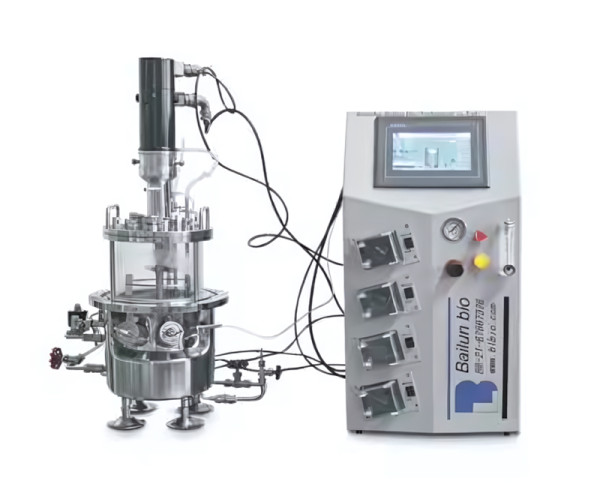
Key Parts of Mini Lab Fermenter Systems
How to Choose the Right Mini Fermenter Size for Lab
Choosing the Right Volume for Each Lab
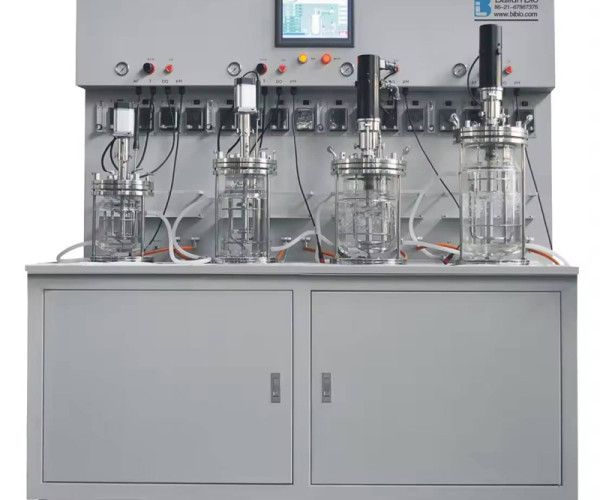
Small vs Medium vs Large Fermenters
What Features Should a Modern Lab Fermenter Have
Core Features vs Advanced Features in Systems
Manual vs Semi vs Automatic Systems
Which Material and Design Works Best for Lab Fermenter
Choices in Glass, Steel, and Hybrid Construction
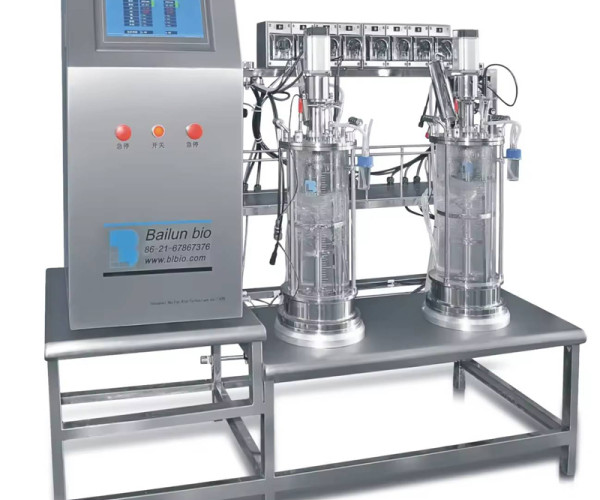
Material Efficiency and Practical Application
Real-World Laboratory Use Cases: A Table of Examples
Frequently Asked Questions
How much of a mini lab glass fermenter should I get?
What are the benefits of using a glass fermenter?
Why is it necessary to have a fermentation tube lab?
Are autonomous systems superior?
Five-Frequently Asked Question: What kind of glass is utilized for weight?
Would a hybrid fermenter be a suitable choice?
How is the fermenter cleaned?
Conclusion