
Which Mammalian Cell Bioreactor Works Best For Cell Line? CHO Cells, HEK293, Vero Cells
Is there really a bioreactor system that can work with all mammalian cell lines? The selection of the mammalian cell bioreactor has an impact on product yields, cell viability, and regulatory compliance.
Here, the working of mammalian cell bioreactors is defined and explained. The three most popular cell lines, CHO, HEK293 and Vero will be compared. I will review the design features that affect performance to help you select the right cell bioreactor for your procedure.
Understanding the Mammalian Cell Bioreactor Landscape
The controlled growth of mammalian cells in a bioreactor is an important step in the manufacturing of biologics. Such things include, for example, recombinant proteins, antibodies and vaccinations. The system controls agitation, pH, temperature and dissolved oxygen. One major distinction between microbial and mammalian cell bioreactors is the relative sensitivity of the mixing processes. Shear stress can cause cell death in mammals.
There are different types of bioreactors including stirred-tank, wave, hollow fiber and fixed-bed. Every option has its own advantages. Stirred tank bioreactor is the most commonly used bioreactor in commercial production facilities. A good bioreactor for growing cells from mammals should have low shear force and balanced oxygen transfer rate.
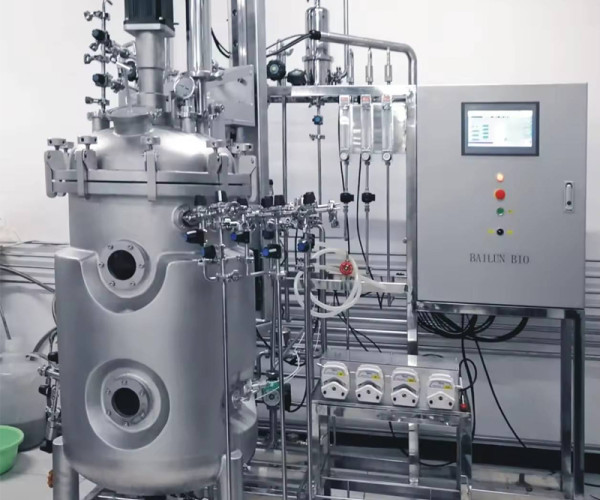
Mammalian Bioreactor Types: Core Technical Specifications
Bioreactor Type | Working Volume | Shear Stress | Scale-Up Ease |
|---|---|---|---|
How Does CHO Cell Culture Shape Bioreactor Design Needs?
By far the most used host for the production of biopharmaceuticals is CHO cells. They form complex glycoproteins via post-translational modifications that are human compatible. Precise control of dissolved oxygen (DO) is an important characteristic of any bioreactor for Mammalian Cell Bioreactor culture of CHO cells. Mild shear can be tolerated by suspended CHO cells, which may continue to divide. They're both hardy and adaptable.
They can be used in both fed-batch and perfusion mode. Most of the monoclonal antibodies sold in stores are made from CHO cell lines. Mammalian cell bioreactors for CHO- Choosing the right mammalian cell bioreactors can produce yields >5 g/L in fed-batch operations
Fed-Batch vs. Perfusion Mode: CHO Cell Performance
CHO cells are grown using two common methods, fed-batch and perfusion. Each method can be used to achieve a variety of manufacturing goals.
Parameter | Fed-Batch | Perfusion | Best For |
|---|---|---|---|
Key CHO Bioreactor Advantages & Disadvantages
Very compatible with human biology in terms of protein glycosylation
Versatile with all stirred-tank systems from 1 L to 20,000 L
Demonstrated success in FDA and EMA regulatory processes
Increased levels of expression in systems due to amplified genes
A disadvantage is that CHO cells need a medium rich in nutrients and oxygen levels that are tightly controlled. This means that the running expenses are higher. There's a lot of tests that need to be done because the virus can contaminate them.
Why Do HEK293 & Vero Cells Demand Unique Bioreactor Systems?
HEK293 and Vero cells play a central role in the manufacture of gene therapy and vaccines. HEK293 cells are human embryonic kidney cells. They are really specialized in one thing: making lentiviral and AAV vectors. Vero cells are African green monkey kidney cells. They are used in both traditional and cutting-edge vaccine production.
The two cell lines have different bioreactor requirements compared to CHO. Knowing these differences is useful in selecting the appropriate bioreactor design for mammalian cell cultures. If the wrong choice is made, it can have negative effects on cell health and yields.
HEK293 Cell Line: Bioreactor Requirements & Key Facts
HEK293 cells can be adapted to suspension culture but still require the anchorage of their original condition. Suspension HEK293 cell culture is feasible in stirred tank reactors. They are frequently used as a cell line to produce AAV gene therapy vectors. HEK293 cells are very well transfectable. marine-blade impellers are recommended.
Vero Cell Culture: Advantages, Disadvantages & Scale Strategy
Vero cells grow as monolayers and often need microcarriers.
Supports the manufacturing of vaccinations against influenza, rabies, polio, and COVID-19.
Recognized around the world by authorities for its security record
Needs exact control in bioreactor due to sensitivity to changes in pH
A disadvantage is the dependence of the Vero cells on anchoring. For scale-up, systems based on microcarriers or fixed-bed bioreactors are needed. This is more expensive than suspension cultures and more complicated to do.
What Bioreactor Design Features Decide Final Cell Line Output?
The design of bioreactors is a key factor in the success or failure of production of Mammalian Cell Bioreactor cultures. Type of impeller, design of sparger, shape of vessel, and integration of sensors are important design features. It is necessary to monitor parameters such as temperature, CO₂, dissolved oxygen (DO) and pH in real time. Cells die because of design flaws that lead to increased shear stress. It also lowers the quality of the product. Design consistency is critical for companies seeking a bioreactor for large scale delivery of mammalian cell culture. Scalable, GMP-compliant systems guarantee product quality from laboratory to commercial scale.
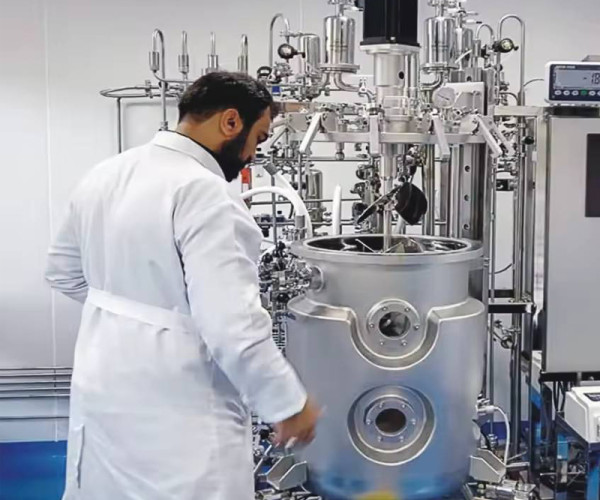
Real-World Case Studies: Cell Line & Bioreactor Outcomes
Case Study | Cell Line | Bioreactor Used | Result |
|---|---|---|---|
Bioreactor Sector Applications: Where Each Cell Line Leads
In the biopharma (mAbs) industry, CHO cells are the de facto standard in stirred tank bioreactors.
HEK293 cells are a common platform for gene therapy vector production of AAV and lentiviral vectors.
Vero cells are the regulatory standard for vaccine production.
CHO cells have proven to be the most reliable and economical choice for the production of biosimilars.
Frequently Asked Questions
What is the best bioreactor for mammalian CHO cell growth?
When it comes to CHO cells, the stirred tank bioreactor is the way to go. It offers process flexibility, DO control and excellent scalability for both fed-batch and perfusion modes.
It can take it all, all the way to 20,000 liters.
Compatibility with PAT (process analytical technology) instruments
This is used in most FDA approved biopharmaceutical procedures.
Do suspension bioreactors support the growth of HEK293 cells?
Yes, stirred tank bioreactors are the ideal medium for the growth of HEK293 cells that are used to suspension. They are the platform of choice for large-scale production of AAV gene therapy vectors.
The HEK293T, HEK293F and HEK293H lines are modified.
Low-shear impellers need to be as effective as they can be.
Why do Vero cells need microcarriers in bioreactors?
Vero cells require Anchorage. The attachment to microcarriers enables the use of stirred-tank or fixed bed bioreactors which are ideal for scale-up.
Cell yield and vaccine production are influenced by microcarrier density.
Fixed-bed bioreactors are an alternative to microcarrier systems.
Bailun Biotech, Jiangsu, offers solutions for vaccine production based on the Vero cell.
What would be your design for a bioreactor for mammalian cell cultures?
These include control system design, sensor placement, vessel geometry, impeller type, and sparger type. These variables influence cell productivity and shear stress.
Critical to accurate control of temperature, pH and DO.
Vessels may be single-use or reusable depending on the scale and regulatory requirements.
It is important to design from the ground up to be GMP compliant.
Where can I find a supplier for bioreactors used in the cultivation of mammalian cells?
Jiangsu-based Bailun Biotech is a formidable Addresses systems at the laboratory, pilot, and commercial scales
Single-use bioreactor and stainless steel bioreactor
Process development and scale up technical support.
Provides technical support for process development and scale-up
Conclusion
To ensure your bioreactor design works well, it is essential to ensure it is a good fit for your cell line and product type. The right system safeguards cell health, boosts yields and satisfies regulatory criteria
If you are seeking a reliable partner for your bioreactor factory, or a Wholesale bioreactors for mammalian cell culture, Bailun Biotech (Jiangsu) will be your best choice. Their mammalian cell bioreactors are completely customizable and GMP compliant. They can work with CHO, HEK293 and Vero cells.