
Which Industries Rely On Airlift Bioreactor Systems? Pharma, Biotech, Food
Can you grow a vaccine, a probiotic drink and a lab protein in one tank? It can be, This is something many plants do every day. I have been working on airlift bioreactor systems for more than 10 years. I've seen this same tank solve problems in many fields. The purpose of this article is to describe an airlift bioreactor. It will demonstrate how it works in easy steps. That's why it's used by pharma, biotech, and food teams. You will also learn about the pros and cons of airlift bioreactors, see a simple airlift bioreactor diagram and find out where this tank works best. Airlift bioreactor systems are tanks where air and liquid are combined. An airlift It does this without any spinning parts inside. Air enters from the bottom. The liquid is pushed back and forth by the air. This is the simple definition of airlift bioreactor used by most workers. The basic configuration of the airlift bioreactor consists of three main parts: riser, gas separator and downcomer. Some tanks use an internal loop airlift bioreactor, with a tube inside the main tank. Other tanks use an external loop airlift bioreactor with two tubes connected outside the tank. Both types belong to the same family, the airlift loop bioreactor. Part What It Does Loop Type Where It Is Used Pharma teams love airlift bioreactor systems for one big reason. Cells require a smooth mix, not a rough one. The mixing is done by air bubbles. No sharp edges to damage weak cells. This keeps drugs such as vaccines safe as they grow. Airlift bioreactor systems also provide even distribution of air in the tank. This design is used as the basis for safe, consistent batches in many clean drug plants. In a Pharma Production Line The tank is situated in a very clean room inside a pharma plant. Workers add cells, food, and air by closed pipes. This prevents germs. The riser throws the mix up. Gas escapes at the top. Then the liquid runs down again. This loop runs for many hours until the batch is ready. Bioreactor Type Product Made Batch Size Key Benefit A gentle blend sustains the feeble cells Fewer parts, fewer repairs Easy to be enlarged for large batches Uses less energy than other tanks Biotech labs grow algae and tiny living cells in airlift loop bioreactors. Air bubbles are mixed with cells and supplied to cells at the same time. This means fewer motors and fewer parts are needed. Labs like that, small test tanks and big tanks, have the same shape. Knowing the advantages and disadvantages of airlift bioreactor systems helps a lab choose the right size. Biotech teams tend to start small, from the lab bench to pilot scale. One type of cell was tested in a tank of 5 liters. If it works well they move to a larger airlift bioreactor. The shape is the same, just larger. Hence the next step is fast and safe. Many new biotech teams have taken this same path. Feature Airlift Bioreactor Stirred Tank Bioreactor Airlift tanks blend with air, not blades. It means less rough force against cells. Low cost and soft mix are the advantages of airlift bioreactor systems. The main disadvantage is less control with very viscos liquids. Airlift bioreactor systems are used by food companies to grow yeast and good bacteria. This soft air mix helps keep these tiny living things strong and healthy. Good for yoghurt cultures, plant protein, and natural flavors. This tank is easy to clean which is why food plants like this tank. It also meets strict food safety standards. Making dairy and probiotic drinks Growth of plant-based protein Enzyme production and natural flavors Animal feed protein Example Product Bioreactor Type Result These examples show how airlift tanks allow food makers to grow clean cultures rapidly and with fewer interruptions. A simple diagram of an airlift bioreactor systems has three or four major parts. You'll see the riser tube where the air and the liquid are going up. Adjacent to this is the downcomer through which liquid flows downward. At the top, a gas separator vents out used air as the liquid cycles again. Riser tube- up gas and liquid flow Downcomer- liquid flows back down Gas separator- allows old air to vent Sparger- feeds fresh air from below It uses air instead of a spinning part to grow cells, germs or algae. This keeps the culture safe and well mixed. An internal loop has one pipe inside the tank. The external loop is two tubes connected externally to the tank. They blend gently, have simple passages and distribute air well. It is kind to living cells. You have less control over mix speed. Thick liquids can be difficult to control, too. They are mainly used by pharma, biotech and food companies for cells, vaccines and natural foods. Think about your product and batch size. Then select an internal or external loop according to how soft the mix is to be. Pharma, Biotech and Food teams need tanks that are soft, simple and scalable. In many ways, airlift systems are good at that. Bailun Biotech (Jiangsu) produces airlift bioreactor systems and fermenter tanks from small lab size to large factory size. They supply pharma, biotech and food manufacturers around the world. Available in several sizes, they are well made and secure, making them a good choice for any team. If you want to purchase a new bioreactor, contact Bailun Biotech (Jiangsu) to know which tank meets your product and budget.What Is An Airlift Bioreactor System?

Key Parts Of An Airlift Bioreactor System
Why Does The Pharma Industry Choose Airlift Bioreactors?
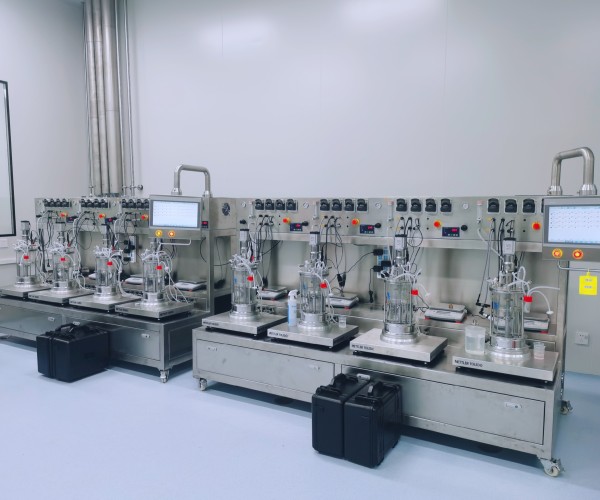
Pharma Use Cases By Bioreactor Type
How Do Biotech Labs Use Airlift Loop Bioreactors?
Airlift Bioreactor vs Stirred Tank Bioreactor
Where Does The Food Industry Use Airlift Bioreactors?
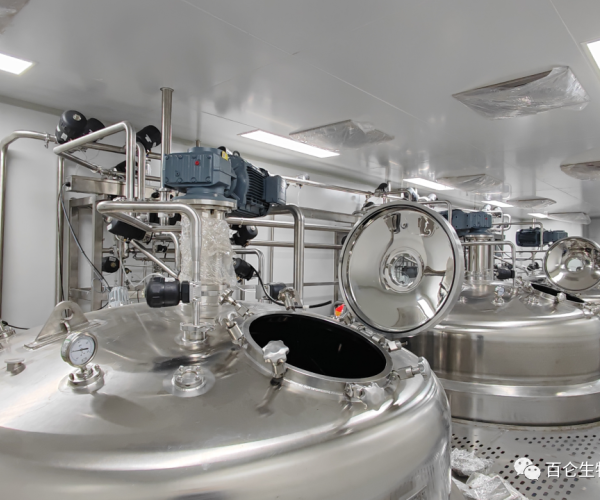
Real Food Industry Examples
What Does An Airlift Bioreactor Diagram Really Show?
Frequently Asked Questions
What is an airlift bioreactor used for?
What is the difference between internal and external loop airlift bioreactors?
What are the major benefits of airlift bioreactor systems?
What are the disadvantages of airlift bioreactor systems?
Which are the main industries that utilize airlift bioreactors?
Which airlift bioreactor design should be selected?
Conclusion