
Where Should A Fermenter Laboratory Be Configured? Bench, Floor, Modular Setup
How do you determine where to place a fermenter in a lab where every square inch matters? In my experience of working with fermenter laboratory systems for more than a decade, I know that a bad setup decision can eat into research time and budget.
So here I will show you the three most common types of setups: bench, floor and modular. See which provider can get you up and running fast, what features are available in each configuration, and how to choose the right one for your lab.
What Is a Fermenter Laboratory and Why Does Setup is Essential?
In a fermenter laboratory scientists can grow cells, enzymes or microbes under exacting protocols. It helps biological processes through temperature, acidity, oxygen and nutrients. How you set up a laboratory scale fermenter has a direct effect on the safety, efficiency and repeatability of your results.
Sloppy setup can lead to contamination, data loss, and malfunctioning hardware. Careful arrangement of your layout may save you time and money. This will ensure that your crew will be able to work safely and follow all lab safety protocols. In the biotech and pharmaceutical sectors, choosing the right layout from the start is key.
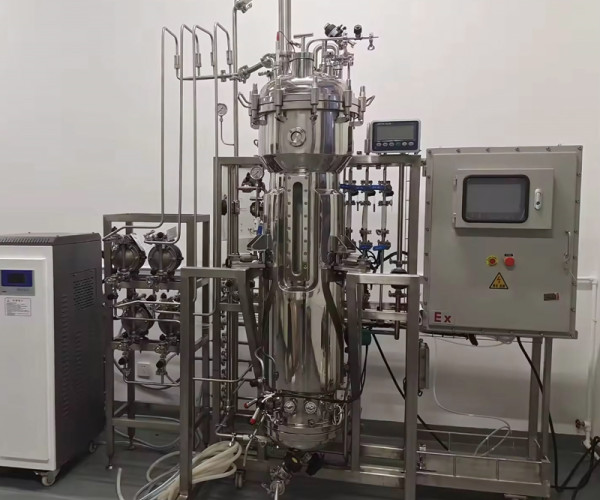
Key Technical Comparison: Fermenter Lab Setup Types at a Glance
Setup Type | Space Needed | Vessel Volume | Best For | Mobility |
|---|---|---|---|---|
Is a Bench-Top Setup the Right Choice for Your Lab Fermenter?
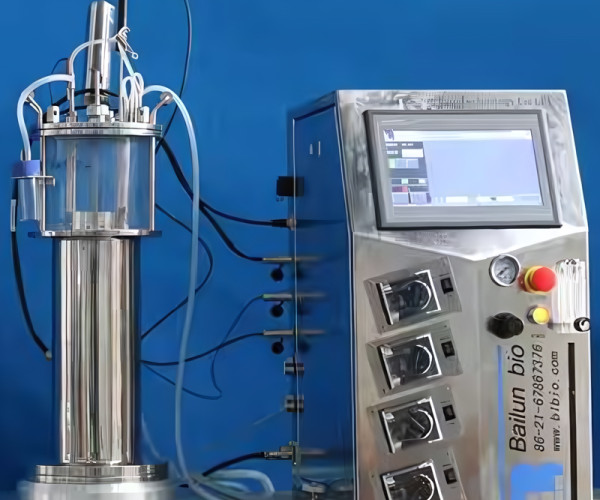
The bench-top fermenter is the most popular fermenter size for smaller laboratories or research groups. It sits on a lab counter and doesn't take up much space. The units are easy to wipe down, easy to assemble, and easy to move.
What Are the Key Features of a Bench-Top Fermenter?
Bench-top fermenters are loaded with features to help and enhance reliability of fermenter laboratory operations. Expected Result:
Space saving: Fits easily on standard lab benches to help keep your work area organized.
Easy sanitisation: most laboratory fermenters can be autoclaved ie they can be sanitized in an autoclave.
Modern machines have a digital display of pH, temperature and agitation on the touch screen.
This is generally the most cost-effective choice for a laboratory fermenter for new laboratories or start-ups.
Noise- Smaller motors are quieter; great in a multi-user lab.
Bench-Top Fermenter Specifications Table
Feature | Entry Level | Mid Range | Advanced Model | Notes |
|---|---|---|---|---|
Who Should Choose a Bench-Top Fermenter?
Bench-top installations are best for small research teams, biotech companies and university laboratories. They offer a high quality fermenter laboratory solution at an affordable price. This is where many teams begin their search for the best and cheapest laboratory fermenter. Bailun Biotech (Jiangsu) has a lab fermenter for every budget, with a variety of bench-top models available at affordable prices.
When Does a Floor-Standing Fermenter Outperform All Other Setups?
Standing fermenters are used for large scale production. These larger machines are used when bench-top units can't keep up with production needs. A floor laboratory fermenter is available for batch sizes of fifty to five hundred liters. They are distinguished by sturdy construction, automatic dosing and sophisticated sensor technology. They have more control and production, but they are harder to work with. Units independent of other units are ideal for pilot plant work and bioprocessing on a medium scale.
Bench vs Floor Fermenter: Which Setup is the Best?
Criteria | Bench-Top | Floor Standing | Winner |
|---|---|---|---|
Bench-top units work best in compact, adaptable research settings. Floor standing systems are the solution for the automated production of large volumes. The best choice will depend on your scale and budget. Bailun Biotech (Jiangsu) and similar companies offer both types of products and have complementary customer service.
Advantages and Disadvantages of Floor-Standing Fermenters
Advantages:
This high-volume system can easily handle large batch sizes.
Full automation of processes: less margin for human error and improved reliability of data
Made to survive longer fermentation cycles without breaking down. Perfect for long runs.
Standard in the pharmaceutical, food, and biotech manufacturing industries
Disadvantages:
Not a low-cost alternative for new teams needing a fermenter laboratory; high initial cost
A space demand is the need for some floor space and sometimes utility lines.
Difficult and expensive to move once installed Extended installation time: Installation and commissioning may take days or weeks.
How Does a Modular Fermenter Setup Transform Lab Workflows?
The modern fermenter laboratory is designed modularly. They employ modular units that can be joined together and expanded as required. Start with a basic setup and gradually add features like boats, sensors, or controls.

Modular Fermenter Setup: Case Studies
Case Study | Lab Type | Setup Used | Result | Key Benefit |
|---|---|---|---|---|
Which Sectors Benefit Most from Modular Fermenter Labs?
Drug discovery and development: test multiple chemicals in parallel modules.
Modular volume control for scaling up fermented beverages or cultured proteins in the food and drink industry
Agricultural biotechnology: Grow biopesticides and biofertilizers in linked vessel chains.
Perform multiple cell growth procedures simultaneously in cell therapy laboratories with one modular system.
University libraries and research institutes: facilitate the simultaneous use of different modules by several groups of students.
What Factors Should You Check Before Buying a Laboratory Fermenter?
There are some things to check before you buy a laboratory fermenter. This will help you prevent future problems with setup and wasted money. Compare models and vendors: Take care to evaluate the following.
Top Checklist Before You Buy
Decide on a bench, floor or modular system before you determine what space you have in your lab.
Volume needed for the vessel: Select a fermenter appropriate for your batch size.
Method of sterilisation: for ease of cleaning consider buying an autoclavable laboratory fermenter.
Control functions: see if it is able to measure temperature, agitation, pH and DO simultaneously Value vs cost: check prices of laboratory fermenters of various brands, especially from China, to get the best deal.
After-sales support. Choose a vendor who can provide reliable technical support and a steady stream of replacement parts.
Can the system grow with your lab? Modular options provide more flexibility.
Frequently Asked Questions
How to set up a small research lab fermenter?
A bench-top laboratory scale fermenter is ideal for a small research facility. It is not only cheap and user friendly, it fits on a regular counter. Most versions are autoclavable laboratory fermenter units so sterility is not a problem. As the team grows, a modular structure could be the best option.
In the case of limited fermenter laboratory space, a bench-top is the way to go.
Look for versions that are compatible with autoclaves to cut down on sterilisation time.
Before you buy a lab fermenter, ensure that it is within the budget of your research work for the year.
Is it worth buying a fermenter from China?
You can get a good quality lab fermenter at a reasonable price from a top Chinese manufacturer such as Bailun Biotech (Jiangsu). In the last decade, China's biotech industries have witnessed spectacular growth. Now quite a few adhere to global guidelines laid down by ISO and GMP. Check product specifications, certifications and reviews before buying.
Search for CE or ISO approved brands of laboratory fermenters from China
Ensure you receive all the warranty information and technical documents.
In this case, Bailun Biotech (Jiangsu) is a reliable and tested option.
What is an autoclavable laboratory fermenter?
If you need full-steam sterilisation, you should opt for an autoclavable lab fermenter. This eliminates any chance of germs, viruses and spores being inside the container. If you want to have a clean fermenter each time, this is the way to do it. These are the features that are found normally in bench-top models and that is why they are highly coveted in research laboratories.
Autoclave sterilization is quicker and more dependable than chemical methods.
Confirm the autoclave vessel is rated for a maximum temperature of 121 °C.
Before purchasing the vessel, check that the vessel's sensors and seals are rated for autoclave use.
How to Buy a Cheap Laboratory Fermenter without Sacrificing Quality?
The best way to save money and not reduce quality is to buy a laboratory fermenter directly from the manufacturer. Some suppliers like Bailun Biotech (Jiangsu) sell direct from the factory, so there is no intermediary fee. Compare models to find those that meet your needs, instead of paying for features you don't need.
Cut out the middleman and save money by buying directly from the manufacturer.
Select only the features you will actually use to save money.
Check with the vendor about volume discounts or academic pricing.
Conclusion
With your budget, production requirements and space known, your lab is ready to go. These three factors are important to determine the optimal laboratory fermenter layout. No matter what you choose, working with a dependable vendor that understands your needs is essential. No matter the size of your lab, Bailun Biotech (Jiangsu) is the best fermenter laboratory .
They provide up to par lab fermenter solutions with fast shipping, total service and economical prices. From an autoclavable laboratory fermenter for a university lab to a full modular system for a pharmaceutical pilot plant, Bailun Biotech (Jiangsu) has the right product and team to fit your needs.