
What Top 5 Topics Makes Benchtop Bioreactors Ideal For Early Research? Flexibility, Cost, Control
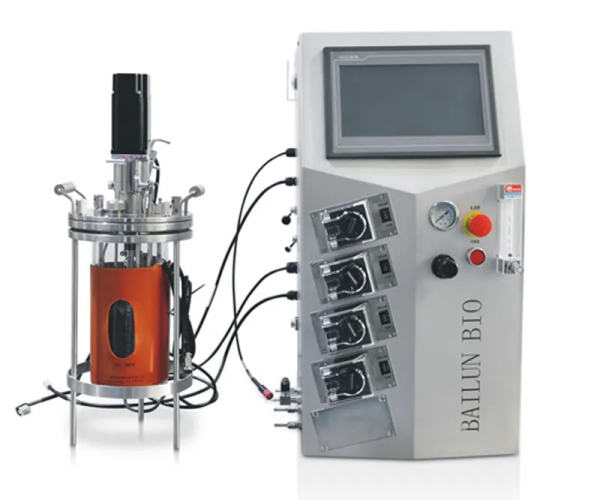
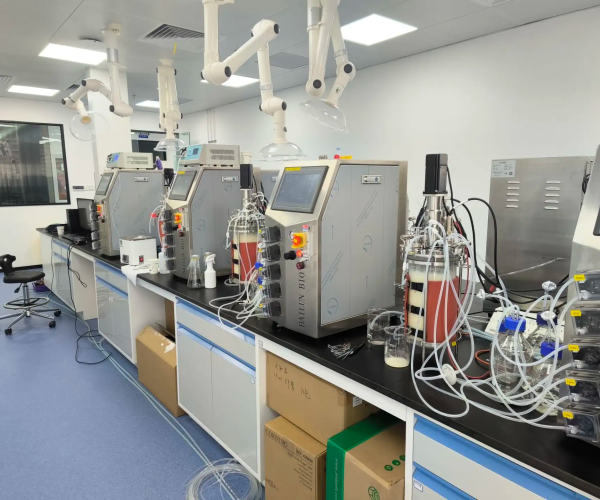
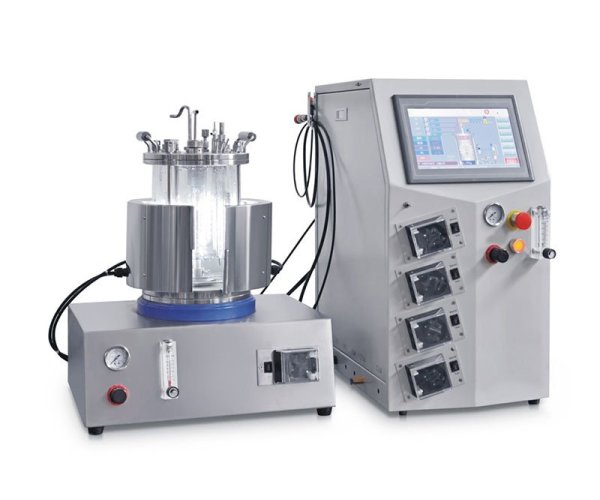
A small lab can do cell or fermentation work without a large pilot plant. Those who have worked in this field for years know the answer quickly. A good benchtop bioreactor can often outperform a large system. This is a guide based on real work with strain tests, media changes and scale-up plans. What is a benchtop bioreactor? This article has the answer. It explains its usefulness for early research due to its flexibility, cost and control. It also covers price, common mistakes and top questions buyers ask. A benchtop bioreactor is a small-scale vessel for growing microbes or cells in controlled conditions on a lab bench. It has a capacity of 1-15 liters. It is a device to control heat, pH, oxygen and mixing inside a closed vessel. Most units consist of a tank and a separate control box with pumps, sensors and software. These systems are tested in labs to test new processes before building larger ones. “Usually you have a glass benchtop bioreactor because you can see the culture inside. To keep runs simple and clean, some labs use single-use plastic vessels instead. Feature Typical Range Why It Matters A benchtop bioreactor is versatile in that one control unit can run a variety of vessel types and processing modes. This is most useful in early research where plans are often changed. Grow bacteria as a team for one month. Next month they might go into cell culture in the same space. This is the flexibility that comes out: Swappable vessels. Most systems can handle both glass and disposable vessels on one controller. Modular sensors. Probes for pH, oxygen or biomass can be substituted as the test proceeds. Parallel runs. A benchtop parallel bioreactor system allows one person to run multiple tests simultaneously. This saves time in the comparison of feed types or media. Saved settings. Software can save an entire process as a recipe. This allows a team to rerun a test in minutes. This kind of flexibility allows a team to go from idea to result much faster. Benchtop bioreactors typically retail for between $15,000 and $80,000. Benchtop bioreactor cost depends on vessel size, automation, sensors. A basic, one-vessel unit, with manual controls, is cheaper. A full setup with many vessels and auto controls will be more. There are a few things that push the price up or down: Cost Driver Lower Cost Option Higher Cost Option The total cost of a benchtop bioreactor should include supplies, cleaning fluids and service plans. They can add 10 to 20 percent to the first year budget. Some customers only see the sticker price. Then they get a surprise with the actual yearly cost. A benchtop bioreactor allows for greater control with automatic regulation of heat, pH and oxygen levels. Shake flasks need someone to check them manually. Controlled vessels self-adapt in real time. This makes each test run more similar, batch after batch. A lot of this control is provided by the benchtop bioreactor controller. This part reads data from the sensors and controls independently pumps, heat and gas flow. A good controller also records every reading. This allows a scientist to see what happened in a run that gave strange results. That record helps a lot later on when you need to scale a process up. Tight control also means fewer failed runs. When conditions drift too far, growth can stop or even drop. Tighter control means less wasted time and expensive materials. Benchtop scale bioreactors are used in many fields, but the reason is often the same. Teams want to do small, controlled experiments before going big. Biopharma teams use benchtop bioreactor systems to develop and test cell lines for vaccines or antibodies. University labs use smaller systems to teach students and conduct small research projects. Food and drink makers are testing fermentation for products such as plant-based proteins. Industrial biotech firms screen microbes for enzymes or fuels and then scale up to bigger tanks. In both cases small-scale testing mitigates risk. Problems get caught early when they're not as expensive on a large scale. Many buyers only care about vessel size. They miss other important things every day. A few mistakes that repeat themselves. Later problems could arise from purchasing a benchtop bioreactor system that is incompatible with your lab software. In many of today's projects, choosing a box size that doesn't leave room to grow often leads to an early upgrade. If you don't purchase a service plan at the time of purchase, you could be waiting a long time when a part breaks. If you don't ask about spare parts, a lab can be stranded for weeks. Here is a brief checklist. Ensure the controller fits the vessel. -Ask how quickly the supplier can send help. Ask for confirmation that the sensors are correctly calibrated. When you choose a supplier, there are three things that matter: build quality, fast support and clear sourcing. A ship that looks good on paper can be very different in day-to-day use if it's made of low-grade parts." Ask the supplier if they have their own benchtop bioreactor factory or resell parts from someone else. A builder who manufactures his own gear can usually move faster on custom orders. They can also answer more clearly about the origin of pieces A common benchtop bioreactor has a volume of 1 to 15 liters. Small 1- to 5-liter vessels are good for early strain testing. Larger vessels, 10 to 15 liters, are suitable for use in the later stages of process development. Running costs add 10 to 20 percent a year to the buy price. This covers consumables, calibration and maintenance. Sensor replacement and calibration Supplies for one-time use vessel, if used Service plans and software updates Yes. Most bench top bioreactor systems can grow bacteria, yeast or cells. You only have to change the vessel and the set up for mixing and not the whole machine. A clean glass benchtop bioreactor is reused. Single-use vessels are pre-sterilized and discarded after one run. Glass is cheaper in the long run but requires very careful cleaning. Disposable vessels reduce the risk of contamination. Benchtop bioreactors typically require 1 to 3 hours to set up. This includes checks, sensor setup and media prep. Saved software recipes speed repeat runs. Yes. Most people require a couple of days of hands on training. Often, suppliers offer this training and guides with the purchase of the system. There is a place for benchtop bioreactors in early research. It offers tight control, fair pricing and the ability to move between projects quickly. For labs comparing suppliers, Bailun Biotech (Jiangsu) is worth checking out. They provide direct support, good build quality and flexible options for vessels rather than one fixed setup for every lab.What Is A Benchtop Bioreactor?
Why Is A Benchtop Bioreactor So Flexible?
How Much Does A Benchtop Bioreactor Cost?
How Does A Benchtop Bioreactor Improve Control?
Where Do Different Sectors Use A Benchtop Bioreactor?
What Mistakes Do Buyers Often Make?
How Do You Choose Between Suppliers?
Frequently Asked Questions
What is the typical size of a benchtop bioreactor?
What is the annual cost of operating a benchtop bioreactor?
Can different organisms be cultured in one benchtop bioreactor system?
What is the difference between a glass and a one-time vessel?
How long does it take to start a new run?
Need training to operate a benchtop bioreactor controller?
Conclusion