
What Makes Mammalian Cell Bioreactors Ideal? accuracy, compliance, reliability
Can a method assess the safety of a drug? I think it is the Mammalian Cell Bioreactors system. Having worked in biopharmaceutical production for over 10 years, I can confirm that these systems play an important role in product quality, safety of processes and regulatory success. In this article, mammalian cell bioreactors will be described, how they work and why they are the best bioprocessing tool today. I will also discuss some key considerations when choosing a bioreactor for mammalian cell culture such as compliance considerations, pricing insights and how to find a reliable bioreactor for mammalian cell culture supplier. A bioreactor for mammalian cells is a closed, controlled environment for cell culture. They grow cells from mammals to make vaccinations, antibodies and complicated proteins. Under controlled conditions these systems maintain cells viable and functional. It monitors and controls the following parameters: temperature, pH, CO2 and dissolved oxygen. This regulation is critical to ensure the stability and reliability of biologics. The size of a bioreactor for mammalian cell culture can range from 1 liter to 20,000 liters. The cells inside are delicate and need to be handled delicately and kept in a sterile environment. These systems are designed with built-in real-time sensors, sterile filters, and gentle agitation, ensuring patient safety. Parameter Typical Range Control Method Importance Level Good design forms the foundation of reliable cell culture. Cell health is influenced by vessel form, impeller type and sparger design. Cell death, poor mixing, product loss. Badly planned system. On the other hand, a well-built bioreactor mammalian cell culture system results in increased yields and reduction of batch failures. Single-use solutions have revolutionized small batch manufacturing. They reduce the chances of cross-contamination and reduce cleaning verification time. However, stainless steel systems are still the preferred choice for continuous, large-scale production. Now, most bioreactor suppliers for mammalian cell culture factories offer both versions as standard. “Don't put any money down until you know the design compromises. Feature Single-Use Bioreactor Stainless Steel Bioreactor Best Suited For The pitched-blade or marine impellers reduce the shear stress on the fertile cells. Microspargers create tiny oxygen bubbles without disturbing the foam. Automated pH and DO sensors can be used to modify process parameters in real-time. Sterile barrier filters are used to keep the vessel microbe-free. Jacketed temperature control with uniform heat distribution. Single-use bioreactors provide benefits such as speed, flexibility and a lower risk of contamination that are particularly advantageous for clinical-stage and multi-product facilities. Stainless steel bioreactors have better scalability for commercial production and lower total cost of ownership over time. They combine the two methods in a hybrid strategy. Both alternatives are now available with most of the leading bioreactor for mammalian cell culture wholesaler partners. The best choice for you depends on your production volume and product pipeline. Compliance with all regulations in biopharmaceutical manufacturing is important. The best mammalian cell bioreactors must be compliant with strict international regulations. FDA, EMA and ICH have established standards for data integrity, process control and equipment validation. Non-compliance may result in a plant being suspended, warning letters, or the rejection of a batch of product. Good Manufacturing Practice (GMP) guidelines include cleaning processes, calibration of sensors, quality of material and design of equipment. Electronic records and audit trails are required by 21 CFR Part 11. USP and EP standards specify purity requirements for contact with cell material culture medium. Standard Scope Region Key Requirement Protects patients and secures the safety of pharmaceuticals in international commerce Cuts the time to obtain product approvals and reduces regulatory risk Builds trust with business partners, investors and government agencies Makes sure that product quality is identical from one batch to the next The cost of validating new equipment and procedures is high. Time spent on paperwork and audit prep Often need re-validation, if process parameters changed. Adds to the frustration of dealing with cheap mammalian cell bioreactor vendors with poor compliance help. Bioreactors are widely used in different industries for culture of mammalian cells. The most common application is the production of monoclonal antibodies (mAbs). Other applications of these systems include recombinant proteins, gene therapies and vaccines. No two industries are the same in terms of purity, volume and regulatory requirements. For example, mAb production requires very high titers and stringent purity standards. The vaccine manufacturing process must be quickly scalable and fully transparent. The gene therapy industry needs an ultra-clean, small-batch system. China Mammalian Cell Bioreactor wholesale market has been so developed that all these industries can get access to low cost, GMP-ready solutions. Sector Primary Application Scale Range Key Requirement Case Study Company Type Bioreactor Used Outcome A mammalian cell culture bioreactor is a device for the controlled growth of mammalian cells. It produces complex pharmaceutical biologics, including recombinant proteins, enzymes, vaccines and monoclonal antibodies. Promotes cell growth, cell survival and product synthesis Thermostatically controls oxygen, carbon dioxide, pH and temperature. Used for both industrial production and research and development Bioreactors are often used to grow mammalian cell lines such as CHO (Chinese Hamster Ovary), HEK293 and hybridoma. Worldwide, CHO cells are the most popular choice for the production of mAbs and recombinant proteins. CHO cells: HEK293 cells, widely used, robust and extensively characterized, are used for gene therapy and the generation of viral vectors. Hybridoma is an instrument for the generation of an antibody of a particular target. If you are looking for the best mammalian cell bioreactor, you need to consider the budget, the cell line, GMP compliance and scalability. Pick a system for your process – stainless steel for large-scale production or single-use for more flexibility. Work out how you'll scale up before you buy. Review GMP paperwork and validation support end-to-end Determine if the vendor offers help desk services and replacement parts. The control of the dissolved oxygen (DO) is one of the most important aspects in bioreactor mammalian cell culture. Cells require 20% to 50% DO saturation. Hypoxia kills cells where there is insufficient oxygen in the blood. Too much of it can lead to oxidative stress and a lower quality product. It is important to calibrate the DO sensors prior to each batch. DO setpoint cascades to agitation and gas sparging. Glycosylation problems in a product are caused by poor DO control. The selection of an appropriate mammalian cell bioreactor is one of the most important factors in the biopharmaceutical production process. These systems are not just a means of transport, but the foundation of the quality, safety and regulatory status of your medicine. In particular, it is important to have GMP traceability in its entirety to pH control. The sector's rapid growth has created a huge demand for reliable, cost effective solutions. Bailun Biotech (Jiangsu) is a top choice for both mature and emerging biotech companies when it comes to sourcing a global reliable bioreactor for mammalian cell culture supplier network. Bailun Biotech offers GMP compliant and ISO certified bioreactors for mammalian cell culture in stainless steel and single-use formats.The Definition of a Mammalian Cell Culture Bioreactor
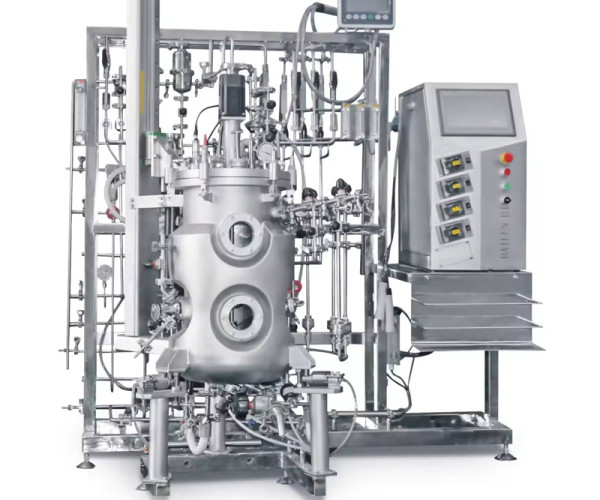
Core Technical Parameters of Mammalian Cell Bioreactor Systems
How Does Bioreactor Design Impact Cell Culture Output
Single-Use vs. Stainless Steel Bioreactor Design Comparison
Key Design Features That Improve Mammalian Cell Viability
Design-Driven Performance Comparison
What Compliance Standards Apply to These Bioreactors
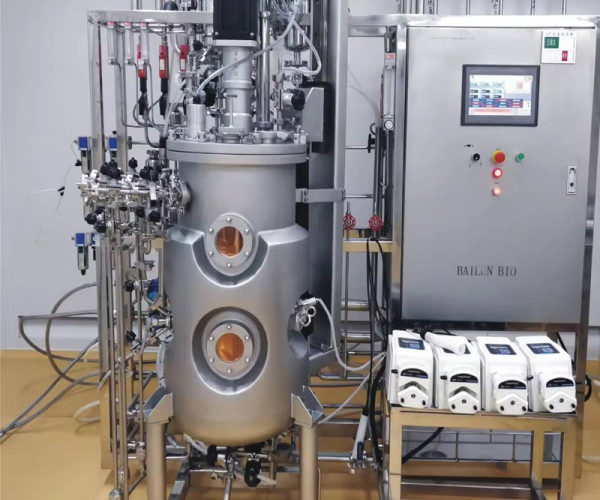
Regulatory Standards Applicable to Mammalian Cell Bioreactors
Advantages and Disadvantages of Stringent Compliance
Advantages of High Compliance Standards
Disadvantages of High Compliance Demands
Which Sectors Use Mammalian Cell Bioreactors Most Widely
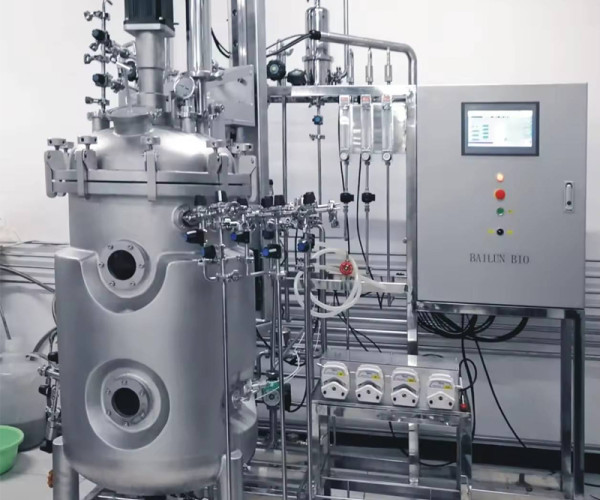
Sector-Wise Application of Mammalian Cell Bioreactor Systems
Case Studies of Mammalian Cell Bioreactors
Frequently Asked Questions
What is the purpose of a mammalian cell culture bioreactor?
The most common cell lines used in mammalian cell bioreactors are:
3. What is the best bioreactor for mammalian cells?
What is the importance of controlling dissolved oxygen in mammalian cell culture?
Conclusion