
What Is a Mammalian Cell Culture Bioreactor? Uses, Types, Scale
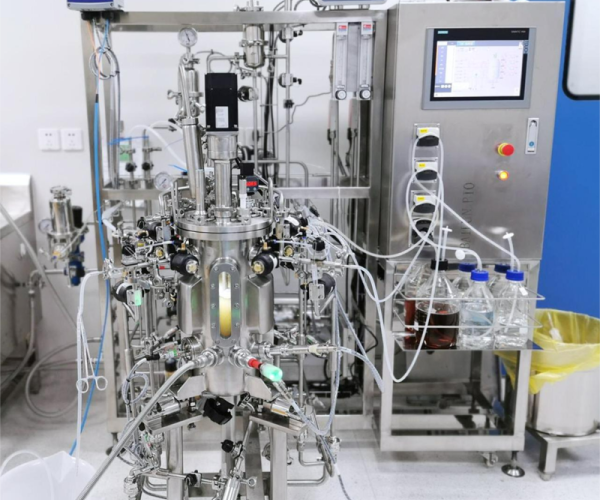
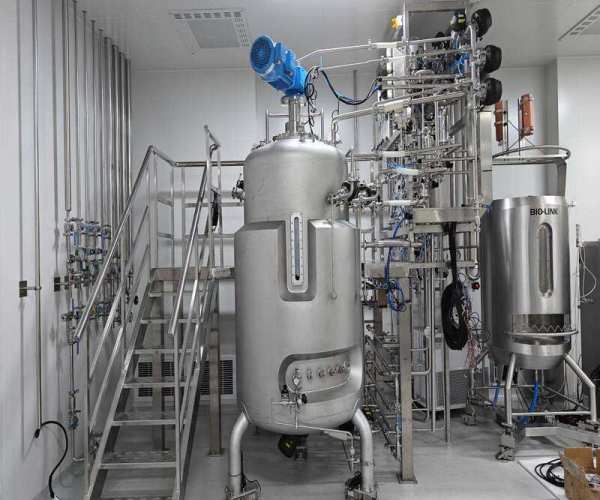
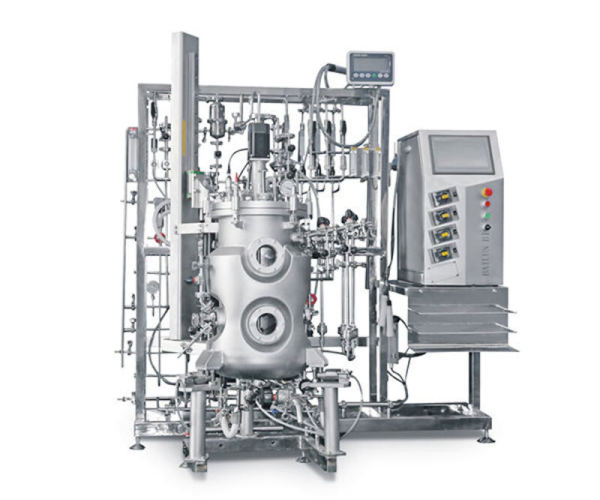
How do you keep animal cells alive in a tank for weeks? And how do you go from a small 2 L test to a huge tank? A mammalian cell culture bioreactor is a closed, clean tank that grows animal cells. It keeps the pH, oxygen in the liquid (DO), temperature and mixing just right. Drug makers use it to make vaccines, proteins and antibodies. This guide uses facts and test results from Bailun Biotech. The company's story began in 1998. Its tests with CHO cells show that even the pump can change how well cells grow. Below, you will learn how these tanks work, which type to pick and what to check before you buy. An animal cell culture bioreactor is a closed tank made for cells that break easily. These cells have no hard outer wall. Fast mixing or big air bubbles can tear them apart. These cells also grow much slower than bacteria. If one germ gets in, it can quickly take over the whole batch. So the tank needs soft mixing, careful air control and a very clean design. Bailun makes tanks for animal cells, plant cells and one-time use, from 0.1 L up to 1000 KL. Its mammalian cell culture bioreactor line covers 5 L to 10 KL. Factor Mammalian cells Bacteria and yeast What the vessel needs A mammalian cell culture bioreactor is a tank with a few key parts. It has an outer jacket, a stirrer, air lines, sensors and a control box. The details below come from Bailun. Tank: The inside is made of SS316 steel. The outer jacket is SS304 steel. The tank is built for 0.3 MPa of pressure, and the jacket for 0.35 MPa. Surface and shape: The inside is polished very smooth, to 0.4 to 0.6 µm. The tank is tall and thin, with a width to height ratio of 1:2.2 to 2.5. Mixing: A motor turns the stirrer from the top or the bottom. A magnetic drive on the top is another option. The shaft has three paddles with six blades each, and you can move them up or down. Listed stir speeds are 50 to 1000 rpm and 50 to 400 rpm. Cleaning: Steam cleaning in place (SIP) is done by hand, or by a program if you add that option. Washing in place (CIP) uses a spray ball. The bottom valve has zero dead zone, so no liquid gets trapped. Controls: A Siemens PLC runs the system from a 10 or 15 inch touch screen. It saves your data and lets you export it. The screen works in Russian, English or Chinese. The pH can be set anywhere from 2.00 to 12.00. It stays within ±0.1 of that level. The oxygen level (DO) can be set from 0 to 150%, and it stays within ±3%. When cells need more oxygen, the system adjusts the stirrer and oxygen flow. The temperature can go from 5 °C above the cooling water up to 70 °C. The pH and DO sensors come from Hamilton or Mettler in Switzerland. A stirred tank bioreactor is the most common type for animal cells. A spinning blade mixes food, oxygen and heat all through the liquid. Bailun's BLBIO-SCUC line is a steel tank of this kind. But stirring too hard can hurt the cells. So the blade shape and speed really matter. A perfusion bioreactor keeps adding fresh liquid and taking out used liquid. The cells stay inside the whole time. In batch and fed-batch runs, the work stops once waste builds up. Perfusion often keeps more cells alive and healthy. To do this, the tank needs a way to keep the cells in. Most often, this is a filter made of thin hollow tubes. The liquid flows along the tubes, and the cells stay behind. Bailun explains the two main ATF and TFF perfusion methods in detail. Bailun ran a 2 L test with CHO cells that made mAb. A TFF with a peristaltic pump lost healthy cells faster than ATF. Then the team used a gentle centrifugal pump instead. With that pump, TFF did just as well as ATF. Bailun's automatic perfusion system now uses the gentle pump. One unit works with 50 to 500 L bioreactors. It can switch between its two filters on its own. It also removes extra cells on its own. A parallel bioreactor system runs several tanks side by side. Each tank can test a different setting at the same time. This helps teams find the best setup faster. The BLBIO-GCUC parallel bioreactor system comes in sizes from 5 L to 2000 L. A glass cell culture bioreactor works best for small tests in the lab. You can see inside it, which makes checks easy. Bailun makes glass units from 0.2 L to 40 L. A stainless steel cell culture bioreactor is the choice for bigger work. It is used for research, pilot tests and full factory runs. A laboratory cell culture bioreactor is where every new process starts. Here, teams try out cells and food mixes in small amounts. Mistakes cost little at this size. Many teams begin with a glass cell culture bioreactor. A pilot scale bioreactor is the middle step. It checks that a lab process still works in a bigger steel tank. When the tank gets bigger, mixing, oxygen and heat all change. A pilot run shows these changes early, before you spend on full production. The 100L pilot scale bioreactor is a good example. The tank size also changes how you open it. Tanks from 30 L to 500 L have a lid that lifts up. Tanks from 700 L to 1000 L have a manhole. An industrial cell culture bioreactor is the final step. It makes large batches of product to sell. These tanks must follow GMP, the strict quality rules for making medicine. The BLBIO-SCUC industrial stainless steel bioreactor comes in sizes from 50 L to 50000 L. It runs on 220 V or 380 V. Power use is 15 to 70 kW, based on size. Scale Main job Bailun example Key note These tanks are mostly used to make vaccines and proteins. They are also used for research. Animal vaccines: Used to make vaccines for bird flu, pig PRRS, foot-and-mouth disease and rabies. Human vaccines: Used to make vaccines for diphtheria, tetanus, meningitis and hepatitis B. Proteins and antibodies: Used to grow cells that make medicine. In Bailun's tests, CHO cells made mAb, a type of antibody. Research: Used by labs to study animal cells, plant cells, algae, enzymes and proteins. Vaccines go into people and animals, so safety comes first. An animal cell culture bioreactor for this work must be easy to clean and check. Before you buy a mammalian cell culture bioreactor, check five simple things. Use the list below when you compare prices from different sellers. Working volume: Plan to fill only 30% to 70% of the tank. The rest is space for foam and air. Material and polish: Parts that touch the liquid should be SS316L steel. Ask how smooth the inside is polished. Sensor brands: Ask who makes the pH and DO sensors. Good sensors give better readings. SIP and CIP: Ask if the cleaning is done by hand or by a program. Control software: Make sure it saves your data, lets you export it and warns you when something goes wrong. You can also add extra parts if you need them. Options include a mass flow meter for gas, a CO2 check on the air that leaves the tank, a live cell sensor, a weight system and a double seal. Bailun keeps small standard units ready in stock, so they ship fast. To check quality, you can see its ISO 9001 and ASME certificates and its CE mark. A good custom bioreactor manufacturer should have real factories, not just a catalog. Bailun has four factory sites in China. The biggest is 56,000 m² in Ganyu. The others are 12,000 m² in Songjiang, 5,000 m² in Haizhou and 2,600 m² in Jiading. The company has 500 staff and sells to 86 countries. You send a User Requirement Specification (URS). This is a list of what you need the tank to do. Bailun's team draws the process plan (PFD) and the pipe and sensor plan (P&ID). The factory builds the equipment and tests it as one full unit. Technicians come to your site and set it up. Bailun helps you with GMP checks for FDA, EU and TGA rules. Then it trains your staff. You can read about each step on the Bailun customized services page. A mammalian cell culture bioreactor mixes gently and keeps conditions steady. A microbial fermenter is made for germs that grow fast and need lots of air. Animal cells break easily, so the stirring is slower. Their runs last longer, so the tank must stay very clean. Plan to fill 30% to 70% of the tank. The empty space is for foam and air. A 100 L tank holds about 30 L to 70 L of liquid. Choose how much you need before you pick a tank size. CHO cells are the most common cells for making antibodies (mAb). CHO is short for Chinese hamster ovary. Bailun used CHO cells in its own tests. Its tanks are also used to make human and animal vaccines. Yes, one Bailun perfusion unit works with tanks from 50 L to 500 L. You don't need to buy a new one each time you grow. It uses a gentle pump that is kind to cells. It connects to the tank's own control screen. Small standard units arrive within two weeks. Bailun keeps them in stock, and you can start using them within two days. Custom tanks take longer to build. Ask for a clear delivery date in your quote. Start small with a glass tank in the lab. Next, test the process in a pilot tank. Then move to a big steel tank for full production. If you need more cells, add perfusion. Picking the right mammalian cell culture bioreactor at each step keeps your risk low. Bailun Biotech (Jiangsu) Co., Ltd. is a good fit for this path. One team builds every size, from 0.2 L glass units to 50000 L steel tanks. Before you request a project quote , get your URS ready. If you don't have one, just tell them if your project is for bacteria or cells.Why Do Animal Cells Need a Special Vessel?
Animal Cells vs Microbes: Key Differences
Inside a Mammalian Cell Culture Bioreactor
Main Parts and Their Specs
How the Controls Keep Cells Safe
Stirred Tank, Perfusion and Parallel Designs
Stirred Tank Bioreactors for Cell Culture
Perfusion Bioreactors for High Cell Density
Parallel Bioreactor Systems for Screening
Glass or Stainless Steel Cell Culture Bioreactor?
From Lab Bench to Industrial Production Scale
Laboratory Cell Culture Bioreactors
Pilot Scale Bioreactors for Scale-Up Trials
Industrial Cell Culture Bioreactors
Bioreactor Size Comparison
Where These Bioreactors Are Used Today
Main Uses by Sector
What Should You Check Before Buying One?
Five-Point Buyer Checklist
Working With a Custom Bioreactor Manufacturer
How a Custom Project Works
FAQs
How is a cell culture bioreactor different from a microbial fermenter?
What working volume should I plan for?
Which cells and products are most common?
Can one perfusion unit serve several vessel sizes?
How fast can small bioreactors ship?
Conclusion