
SIP vs Autoclave Lab Fermenters Compared
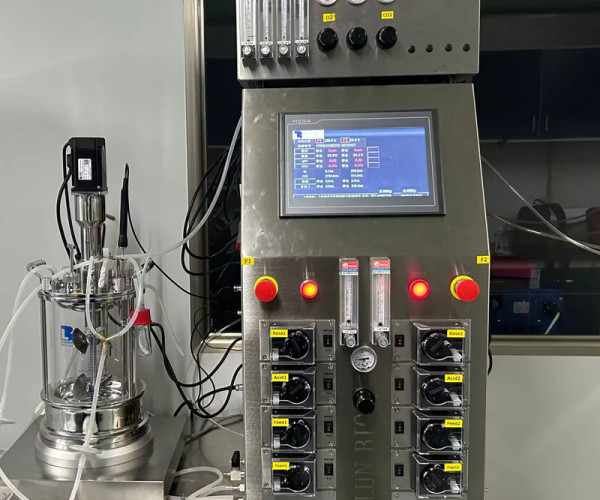
An in situ sterilizable fermenter is sterilized with steam right where it stands. This is called SIP. An autoclavable fermenter is different. You carry it to an autoclave and then carry it back. Both ways aim to cut contamination risk before you add the culture. How do you make a lab fermenter germ-free with less handling? That is the big question when you choose an in situ sterilizable fermenter. Bailun makes fermenters. Its website explains SIP well. It has no facts about autoclaves. So this article keeps the two ways apart. The two ways work differently. Steel and glass models are not the same. Germs can get in at a few spots. The best choice depends on your setup. Before you add the culture, you must sterilize the fermenter. There are two ways to do it. With steam in place (SIP), steam runs through the vessel and its lines. The vessel stays where it is. With the autoclave route, you put the vessel in a pressure chamber. Then you bring it back to the stand. Term Meaning Where it happens At the bench, steam in place is done by hand. You can add a program to run it for you. Bailun's lab fermenter pages list manual SIP. Program control is an option. The home page also lists CIP/SIP under bioprocess equipment. The pages do not give a sterilization cycle time or a temperature. The 5 ºC to 70 ºC range on the spec table is for the culture. It is not a sterilizing setting. Cleaning: CIP means clean in place. It is a separate step. It uses a spray ball, CIP control valves and pipes. Sampling valve: You can sterilize it on its own. Bottom harvest valve: You can sterilize it on its own too. Related device: The product range names a steam generator . You transport the container to an autoclave and then return it via the autoclave route. The trip's fermenter is designed to be autoclavable. Autoclave information are absent from the Bailun site. These are the general stages. There is no mention of any Bailun model in them. Take the vessel off its stand. Put it in the autoclave. Run the autoclave program. Let it cool. Then carry it back. Plug the lines and sensors back in. According to the Bailun Glass Fermenter FAQ , glass is quite simple to clean and sterilise. That is an overarching argument. It fails to provide a procedure. The two ways differ in where the heat goes and whether the vessel moves. Factor SIP Autoclave Source SIP skips the move. Autoclaving adds it. Vessel size and who runs the cycle decide which one matters more. Large containers are difficult to lift; hence, pilot teams choose a fermenter that can be sterilized in situ. Pilot fermenters are larger than bench units. Every time you go through the autoclave, it becomes tougher. The spec table of Bailun covers total volumes from 5 L to 500 KL. It has a lid-lifting mechanism for 30L-500L. It mentions a human hole for 700–1000 L. It also has a bottom valve with zero dead zone. Pilot equipment delivery is listed as 3-4 months on the web page. Bailun's lab fermentation pages describe the SS316L vessel as a jacket tank. The table is based on the site's own figures. This is for the steel jacket tank. Do not think of it as a glass. Parameter Listed value Glass is good for small tasks where you want to view the culture. Products include glass fermenters ranging from small 0.2L to 40L. The categories include Lab glass fermenter 2L-40L. They also provide a mini lab glass fermenter with magnetic mixing . The glass FAQ claims glass allows you to witness the process. The category remark indicates one controller can operate many glass containers. The site does not provide any methods for sterilizing glass models. Ask Bailun before you purchase. Any point of entry or handling might be a potential entry point for germs. Consider each area to be a checkbox. Neither of them indicates a reduced risk. Inoculation: The site offers a set of 4 valves or a pin-in with flame protection. Sampling and harvest: You may disinfect valves one by one. Exhaust: There is a condenser before the exhaust. Pressure: The location has a BD Germany pressure transmitter. Handling: Every motion, every reconnection adds another touch. Four questions can help you choose. Answer them before you ask for a quote. Size: A small boat is simple to move about. It is not a pilot fermenter. Material: Choose between an SS316L tank or a glass fermenter. Rhythm: If you sterilize a lot, fewer movements are better. Operator: Decide who runs the cycle. It may be done by hand or by software. Then, have a look at the following three types of fermenters: laboratory (SS316, 5L-50L) , laboratory (glass, 2L-40L), and industrial (1KL-400KL) fermenters. Separate categories are used for each size range. Bailun bills itself as “China's leading supplier of intelligent data-driven bioreactor systems.” It focuses on pharmaceuticals and bioengineering. It provides R&D, design, manufacture and inspection of sanitary tanks and modular processing equipment. The team states it has done pharmacological consultation and validation. It provides GMP (FDA, EU, TGA, cFDA) validation service. The site doesn't indicate it certifies sterilization cycles. Item Detail SIP, or steam in place, means you sterilize the vessel and its lines where they stand. Nobody moves the vessel. Bailun's lab fermenter pages list manual SIP. Program control is optional. An autoclavable fermenter is sterilized in an autoclave. An in situ sterilizable fermenter is sterilized where it stands. The first usually suits small vessels. The second suits bigger vessels that are hard to lift. Autoclave way: the vessel goes in and out. SIP way: the vessel stays on its stand. It depends on the sterilization cycle that was tested for your vessel. Bailun's pages show no sterilizing temperature. Check the manual or ask the Bailun team. Many labs use steam at 121 °C. This is common practice, not a Bailun spec. The hold time comes from the tested cycle too. CIP cleans the vessel in place. SIP sterilizes it in place. Cleaning takes off residue. Sterilizing kills living microbes. Bailun lists CIP with a spray ball, CIP control valves and pipes. It lists SIP as manual, with program control optional. SIP can lower the chance of germs getting in, since the vessel does not travel to an autoclave. It cannot promise a sterile run. Valves, sampling and adding the culture still need care. Check each opening before you add the culture. Make sure the cycle fits your vessel. Bailun's home page lists 2–3 months for lab equipment and 3–4 months for pilot equipment. Industrial equipment is listed at 4–12 months. These are listed ranges. Ask the team about your exact model. SIP keeps the vessel in place. Autoclaving moves it. Your vessel size, material and operator should guide the choice. If you want an in situ sterilizable fermenter, look at Bailun Biotech (Jiangsu) Co., Ltd. Its site lists SIP and CIP details, ASME U Stamp and ISO 9001 certificates, and delivery times. You can check them yourself. To confirm the sterilizing method for your model, email info@bailunbio.cn or use the Request a Quote form. Ask about size and lead time too.What Are the Two Ways to Prepare a Fermenter?

The Main Terms
What Does SIP Look Like at the Bench?
What the Site Lists for SIP
How Does the Autoclave Route Work?
Autoclave Steps
How Do SIP and Autoclaving Compare?
SIP and Autoclave Side by Side
Why Do Pilot Teams Choose an In Situ Sterilizable Fermenter?
What Does the SS316L Vessel Spec Sheet Say?

Lab Fermenter Specs
Where do glass vessels fit?
Where Does Contamination Risk Come From?
Spots to Check
How do you pick a route?
What to Weigh
Who Builds These Vessels, and How Fast Do They Ship?
Bailun Facts
FAQs
What is SIP in fermentation?
What is the difference between autoclavable and in situ sterilizable fermenters?
At what temperature is a fermenter sterilized?
What is the difference between CIP and SIP?
Does SIP lower contamination risk?
How long does a lab or pilot fermenter take to arrive?
Conclusion