
How Vaccine Fermenters Improve Batch Safety? sterile design, validation, compliance
Can one bad batch ruin an entire vaccination drive? I have worked with vaccine fermenters on the vaccine fermentation process for more than 9 years and know first-hand how a single sterility failure can cause weeks of production delays and risk public health.
In this post, I'm using my sector knowledge to explain why current vaccine fermenters are essential for scalable, risk-free manufacturing. Allow me to take you through the fundamental design principles of vaccine fermentation, sterile engineering, validation standards, regulatory compliance standards, and frequently asked questions.
What are the Importances of Vaccine Fermentation
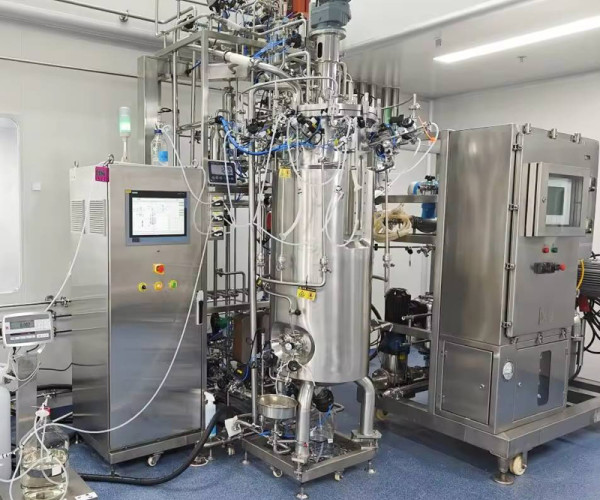
Bacterial fermentation vaccines are produced by growing live bacteria in large stainless steel or disposable vessels under aseptic conditions.
For vaccine production, cell fermentation on vaccine fermenters is used to grow cell lines derived from insects or mammals requiring even more environmental control. The fermenter vessel must be kept sterile from inoculation to harvest. Any breach can result in contamination and therefore a deterioration in product quality, wasteage of raw resources and a postponement of release dates.
Core Parameters That Define Vaccine Fermentation Performance
Parameter | Typical Range | Impact on Product | Control Method |
|---|---|---|---|
How Does Sterile Fermenter Design Prevent Batch Failure?
How does the sterile design of vaccine fermenters prevent failure of the batch? This is the question central to all vaccine production efforts. A fermenter is not a metal tank, but a designed containment system. Design features include validated steam-in-place (SIP) cycles to all internal surfaces, electropolished internal surfaces to prevent biofilm growth and removal of dead legs where fluid can stagnate.
Common entry points for contamination are gaskets, seals and the agitator shaft assembly. These gaps are closed by means of double mechanical seals with sterile barriers and single-use sensor membranes. Vessel geometry aspects such as aspect ratio, sparger location and baffles are all aspects that affect the mixing homogeneity and oxygen transfer, which in turn affects the quality of the product.
Closed-Loop Sterile Transfer Systems in Vaccine Bioreactors
Closed-loop sterile transfer systems use aseptic connections and steam-sterilizable tubing manifolds to prevent contamination of the medium, inoculum and harvest broth. Before each batch, pressure hold tests are performed to confirm integrity. For added protection, sterile filters are installed inline on all gas and liquid inlet lines. The automation of valve sequencing eliminates the need for operators to be present during critical processes, lowering the risk of contamination from human touchpoints during manufacturing.
Key Sterile Design Features in Modern Vaccine Fermenters:
The internal surfaces of electropolished 316L stainless steel have a Ra < 0.8 µm.
Geometry of drainable vessels with no dead-leg plumbing
Double-walled mechanical agitator seals with sterile steam barrier in between
Validated SIP cycles up to 121 °C for a minimum of 30 minutes each time
We use to avoid cross-contamination: pH and dissolved oxygen disposable sensors, single-use
Stainless Steel vs. Single-Use Vaccine Fermenters
Criterion | Stainless Steel Fermenter | Single-Use Fermenter | Best Fit Use Case |
|---|---|---|---|
A stainless steel fermenter can hold a lot of liquid and won't break the bank long term. Less chance of cross-contamination and faster turnaround with single-use systems. Today's vaccination factories employ one or both of these strategies in a hybrid manner, depending upon the type of product and batch size.
What Validation Steps Are Required Before a Fermenter Batch Starts
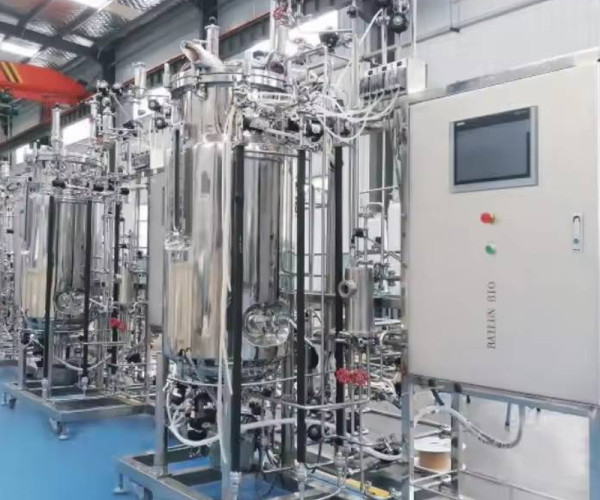
What are the validation procedures required to start a fermenter batch? Before a vaccine fermenter can be used for commercial production, a qualification trail must be established. The first step in this process is Design Qualification (DQ) which checks that the engineering specification matches the planned procedure. If the installation went as planned, that's called Installation Qualification (IQ). Operational Qualification (OQ) ensures the documented fermenter remains within specified parameters across its entire operating range.
To get Performance Qualification (PQ), you have to show consistent performance in real production conditions. The DIQOPQ validation lifecycle is a four-phase process that is required by regulatory authorities worldwide. Each phase necessitates a formal summary report signed by competent persons following review of the relevant protocols and raw data sets.
Advantages and Disadvantages of Full DIQOPQ Validation Cycles
Aspect | Advantage | Disadvantage | Mitigation Strategy |
|---|---|---|---|
Critical Validation Checkpoints for Vaccine Fermentation Cycles
All verified batches shall be checked at the following checkpoints and documented:
A detailed map of the temperature distribution in the entire vessel, autoclave and SIP
All sterile-grade filters must pass a filter integrity test that must include a bubble point and diffusion test.
Validation of calibration of pH, dissolved oxygen, temperature and pressure sensors
Sterility barrier pressure hold test, with agitator seal, minimum 30 minutes
Media bioburden and endotoxin testing pre-inoculation
Manual Validation Records vs. Electronic Batch Record Systems
Aspect | Advantage | Disadvantage | Mitigation Strategy |
|---|---|---|---|
In short, EBRs meet data integrity requirements of FDA, EMA and WHO, drastically reduce human error and speed up batch release. While paper records are more vulnerable to examination, they are still appropriate in situations with limited resources.
How Do Regulatory Compliance Standards Shape Vaccine Fermenter Operations
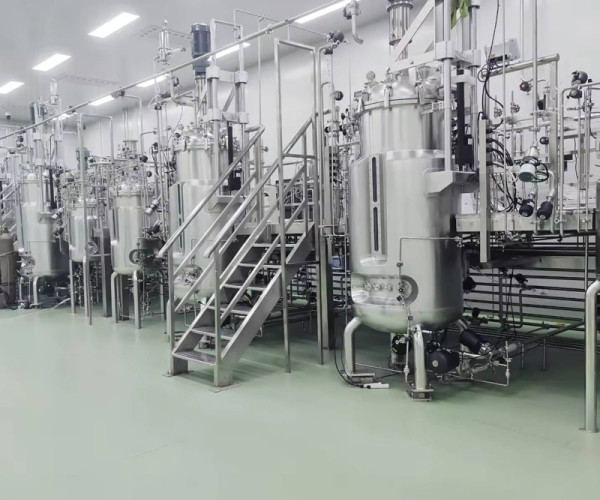
What are the consequences of regulatory compliance standards on the operations of vaccine fermenters? There are some rules to control the whole process of fermentation vaccine production. In the United States, the FDA enforces 21 CFR parts 210, 211 and 600. All sterile products sold in Europe must comply with GMP Annex 1. Vaccine manufacturers selling into the developing world will need to meet standards set by the World Health Organization.
Aseptic processing is regulated by standard ISO 13408. Traceability from the receipt of raw materials to the delivery of finished goods is required in all frameworks. Vaccine fermenters shall have documentation of validated calibration, change control, and deviation inquiry. In many jurisdictions regulatory inspections are unannounced, so preparedness should not be cyclical but continuous.
Case Studies in Vaccine Fermentation Plants
Case Study | Compliance Issue Found | Root Cause | Corrective Action Taken |
|---|---|---|---|
Pros & Cons of Multi-Agency Compliance Alignment
Benefit: Multi-agency alignment means vaccines can be exported to regulated markets in the US, EU and WHO prequalified markets, at the same time.
Bonus: Less work to satisfy different agencies with harmonized standards, a single validation package may do this with little tweaks.
Disadvantage: Conflicting agency rules (eg FDA vs EMA on batch release testing) add layers of paperwork.
Drawback: Ongoing re-training and periodic re-validation of existing equipment to meet constant regulatory updates.
Frequently Asked Questions
What are the key differences between vaccine fermentation and regular fermentation?
Vaccine fermentation is a subset of industrial fermentation that is highly regulated. It is meant to make specific antigens rather than general compounds or food additives. More intensive sterility, validation and regulatory control.
Product quality affects safety in hospital and human immunological response.
All batches must be tested for sterility, identification, potency and purity.
All process irregularities shall be investigated and formally closed prior to release of any batches.
What is the usual time it takes to complete a batch of vaccine fermentation?
The duration of the batch may vary with the product and the organism. The batch times for bacterial vaccines are typically between twelve and forty-eight hours. Viral vaccine batches cultured in mammalian cells can take anywhere from ten to twenty-one days. Fed-batch, perfusion and other techniques allow cultures to be productive for much longer.
Bacterial antigen batches including SIP and CIP cycles take 12-48 hours.
Cultured mammalian cells need feeding and observation every day for 10–21 days.
Peak viability or glucose depletion curves inform harvest time.
Can single-use bioreactors replace steel containers for vaccine production?
Single-use systems are best suited for less than 2,000 liters scales and for multi-product operations when changeover time is critical. For processes above this volume, stainless steel remains the most economical and proven material for large-volume vaccine fermentations.
Single-use bags reduce CIP and batch turnaround time to less than one hour.
Longer life, higher operating volumes, more stainless steel.
Hybrid facilities select the platform based on campaign size and type of molecule.
Causes of Sterility Failures in Vaccine Bioreactors
The most common causes for sterility failures are incomplete SIP cycles because of clogged condensate lines, operator error in manual connections or worn mechanical seals. Good design minimizes manual processes and incorporates automatic verification into every key activity.
Also, nearly 30% of agitator shaft failures are caused by worn or improperly installed seals.
The condensate outflow pipes are blocked, so SIP steam cannot be supplied to all interior zones.
One of the operations is the temporary opening of manual sampling ports. This is a potential source of airborne contamination.
Conclusion
The science of vaccine fermentation is still evolving. However, the fundamental principles of aseptic containment, documented certification and sensor-verified process control have not changed. Those manufacturers who invest in high quality vaccine fermenters enjoy faster entry into regulated markets, fewer batch rejections and shorter validation timeframes. Therefore, one of the most important decisions a vaccine manufacturer can make is choosing the right bioreactor partner.
Bailun Biotech (Jiangsu) offers reliable bioprocess equipment that will keep your batches intact and help you stay in compliance with regulations, if you're looking to increase the capacity of your mammalian cell culture or scale-up your bacterial fermentation vaccine program. Visit their website now to see their range of vaccine fermenters and get in touch to discuss a technical consultation on your next vaccine manufacturing project.