
Can Bioreactors For Mammalian Cell Culture Monitor Metabolite Levels? Sensor, Sampling, Data
A cell culture may appear healthy microscopically. But the glucose can be falling fast. Lactate can be going up and no one knows. That's the kind of blind spot metabolite monitoring is meant to catch. People who run a bioreactor for mammalian cell culture every week learn one thing fast. Cell counts and viability are not the whole story. Metabolite trends often come before a problem appears elsewhere. The modern bioreactors used for mammalian cell culture can monitor metabolite levels. They combine sensors, automated sampling and linked software. This combo tracks glucose, lactate, glutamine and ammonia in real-time or near real-time. Then the data helps guide decisions about the process. A bioreactor for mammalian cell culture is a controlled vessel. Keeps temperature, pH, dissolved oxygen and mixing constant. This creates stable conditions in which animal derived cells grow well. It is the main piece of kit used today in drug production and in cell research. They shield cells that are more fragile than bacteria or yeast cells. The problem is shear stress : rough mixing damages mammalian cells . Hence the mixing and gas flow have to be gentle. Tank sizes vary from small research units to large tanks used in full production. Cause Effect Where It Forms Typical Fix These words are synonymous in the industry. Mammals, bioreactor for animal cell culture etc. are all the same kind of equipment. Don't anticipate a radically different product under each name. The label used is really only different in size, format and sensors. Yeah. A bioreactor for mammalian cell culture can be used to measure glucose, lactate, glutamine, and ammonia. This is done with in-line sensors, automated sampling or a combination of the two. This gives operators a consistent read on cultural health. Much better than a single check at harvest. The inline sensors are inside the tank itself. Each metabolite is measured individually without removing any culture liquid. This makes them the fastest monitoring method available. Optical glucose sensors are a common example. Light-based probes like Raman spectroscopy are used in some research laboratories. It can track several metabolites simultaneously with one probe. At-line sampling takes a small sample of culture at a set schedule. That sample is run on a separate machine, often called a bioanalyzer. This method lets you test more things per test than a single sensor can. Timing is the trade-off. Sampling does not happen all the time, but only on a schedule. Data monitoring is only as good as what you do with it. The sensor and sampling data goes into control software. This allows operators to make adjustments to feed rates or conditions as soon as a trend develops. They don't have to wait for their next scheduled visit. There are some metabolites that pretty much cover most of the matter in a mammalian cell culture run. Each tells a different part of the illustrate story. Some show how much energy the cells have left. Others how much waste there is. Here's a list of the most worthwhile ones to watch. Glucose- the food cells use to get energy. If it falls you need to change feeding. Lactate- a waste product made when cells use glucose. A rising level may suggest the cells are under stress. Glutamine- a reserve fuel source It is directly related to the build-up of ammonia. Ammonia- bad in large quantities. It is a key measure of cultural health. Dissolved oxygen and pH- are not metabolites, but they are also monitored. They help show the overall health of a culture. A good bioreactor design for mammalian cell cultures includes monitoring from the start. This isn't something you tack on. Such tanks are less dirty. They are also easier to upgrade later on. Modern tanks now have sensor ports built into the tank wall. This reduces the chance of contamination compared to retrofitting access points into an older design. The built-in ports also make it easier to swap or upgrade a sensor down the road. Automated sampling lines are designed to be least contaminated during each sample draw. This is more important in mammalian systems than microbial systems. Mammalian cells are slow growing. They also have a hard time bouncing back when a contaminant sets in. Not in any way that restricts what you can track. A disposable bioreactor for cell culture typically has sensor patches already built in. These patches are single-use and are in the bag or liner. Reusable stainless-steel tanks are a different story. Their sensors are left in place and checked and reset between runs. Both formats provide full monitoring of metabolites The primary difference is cost: disposables are each new sensor, while reusable tanks require maintenance. In tracking metabolites, neither format is more accurate than the other There isn't one single best bioreactor for mammalian cell culture that works for all labs. The right answer depends on your own process and needs. The following list includes what really matters when comparing options. Accuracy of the sensors and how often they need to be reset As long as the sensors and sampling tools are compatible with your existing software How frequently you sample vs how fast your culture actually changes The total cost over time: Sensors, calibration, software fees Hardware monitoring now exists in almost every bioreactor for mammalian cell culture format on the market. It is not only high-end, most expensive systems anymore. The table below summarizes what each common format generally provides. Impeller Type Flow Direction Best For Common Example Metabolite monitoring is now a routine feature in most bioreactor formats. It's not a premium add-on any more for top-end systems only. “Now, most buyers can expect to have some built-in monitoring as a baseline. One thing that must be checked very closely when a buyer makes a bioreactor for mammalian cell culture wholesale is. The monitoring set up must be the same for all units and not only for the sample unit tested. A few checks up front can save costly mismatches down the road. Verify that all units ordered in bulk include the same sensor and monitoring package Request calibration papers for each unit, not for the whole batch Before you place a large order, check that the monitoring system works with your software A bioreactor for plant cell culture is a different type of system. Cells from plants are more tolerant of rough handling and a wider range of chemicals than are mammalian cells. Therefore, the design of plant-cell tanks involves different requirements for mixing and monitoring. If a supplier recommends a plant-cell system for a mammalian project, the sensors and tank shape probably won't transfer. Yes, many systems today have inline sensors. These sensors provide stable metabolite readings throughout the course of a run. This gives less manual sampling dependency on a team. Operators can detect a change early, sometimes before it appears anywhere else. In-line monitoring measures metabolites directly in the tank. It does this with no culture liquid removal. "At-line monitoring is another story. It takes a little sample, and tests it on another machine. Both methods have their place, and many setups use both. Yes. Disposable systems generally consist of built-in single-use sensor patches. These patches work just about as well as sensors on reusable stainless steel tanks. The main difference is cost and upkeep, not what you can track. The most commonly monitored metabolites are glucose, lactate, glutamine and ammonia. Dissolved oxygen and pH are key indicators of culture health. Together these numbers provide a more complete picture than any one reading alone. Metabolite data in real-time also allows operators to change feed rates or conditions during the run. This is better than waiting until the end of the run to make changes. Jumping on a shift early can mean a better yield and a steadier product. Bioreactor for mammalian cell culture designed to find what a microscope check alone would miss. Metabolites are measured by sensors, sampling and connected software working together. This is standard good design, not some add-on feature for a lucky few high end systems. If your team wants this monitoring built in from day one, you should look at Bailun Biotech (Jiangsu). Their bioreactor lines are designed with built-in sensors and sampling ports right out of the box. This minimizes the additional effort and contamination risk of adding hardware later.What Is a Bioreactor for Mammalian Cell Culture?
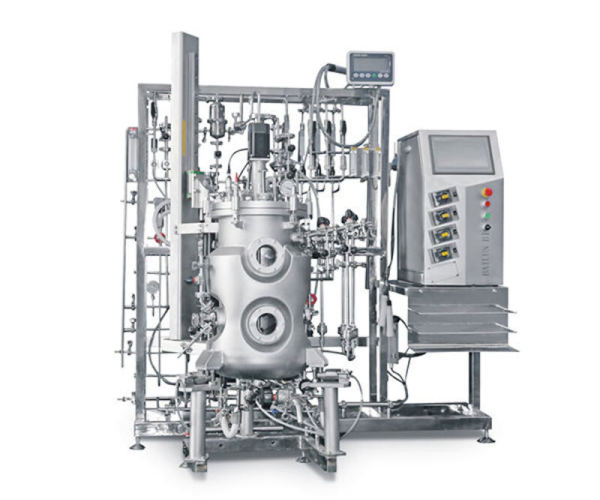
Bioreactor for Cell Culture vs Bioreactors for Animal Cell Culture
Can Bioreactors for Mammalian Cell Culture Monitor Metabolite Levels?
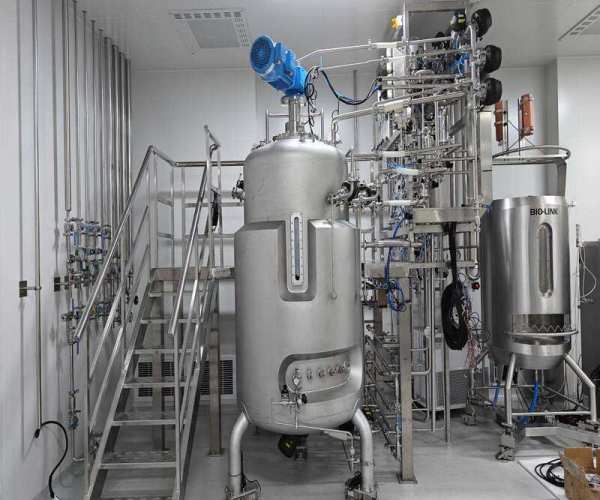
Sensor-Based Monitoring
Sampling-Based Monitoring
Data Integration and Real-Time Feedback
Which Metabolites Are Typically Tracked?
Bioreactor Design Considerations for Metabolite Monitoring
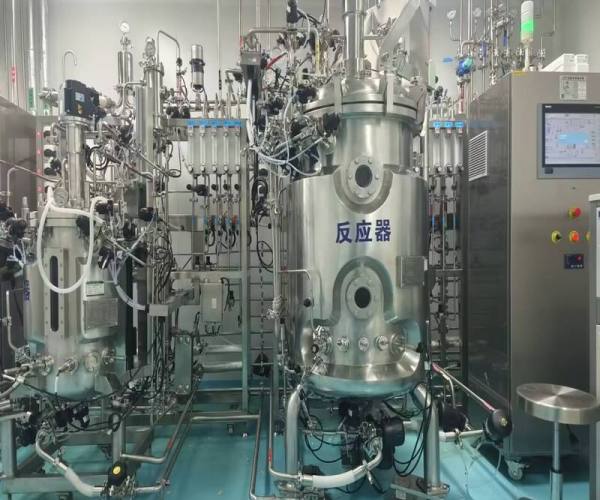
Port and Sensor Integration Points
Sampling Line Design and Contamination Risk
Disposable vs Reusable Bioreactors: Does Monitoring Capability Differ?
What Makes a Bioreactor the "Best" Choice for Metabolite Monitoring
Types of Bioreactors for Cell Culture and Their Monitoring Capability
Sourcing Considerations: Wholesale and Bulk Bioreactor Orders
A Quick Note on Plant Cell Culture Systems
Frequently Asked Questions
Are bioreactors monitored for metabolites in real time?
What differentiates in-line metabolite monitoring from at-line?
Are disposable bioreactors monitored similarly to reusable systems?
Which metabolites are most important in mammalian cell culture?
How do metabolite data enhance culture outcomes?
Conclusion